

Introduction
Overview of Email Marketing
Email marketing has evolved into a crucial strategy for businesses aiming to connect with their audience effectively. With the ability to reach thousands of subscribers instantly, it forms a vital part of any digital marketing strategy. Here’s what makes it beneficial:
- Cost-Effectiveness: Compared to traditional marketing methods, email campaigns require minimal investment.
- Personalization: Businesses can tailor messages based on user preferences and behavior.
- High ROI: Studies show that every dollar spent on email marketing can yield an impressive return.
Importance of Remote Work
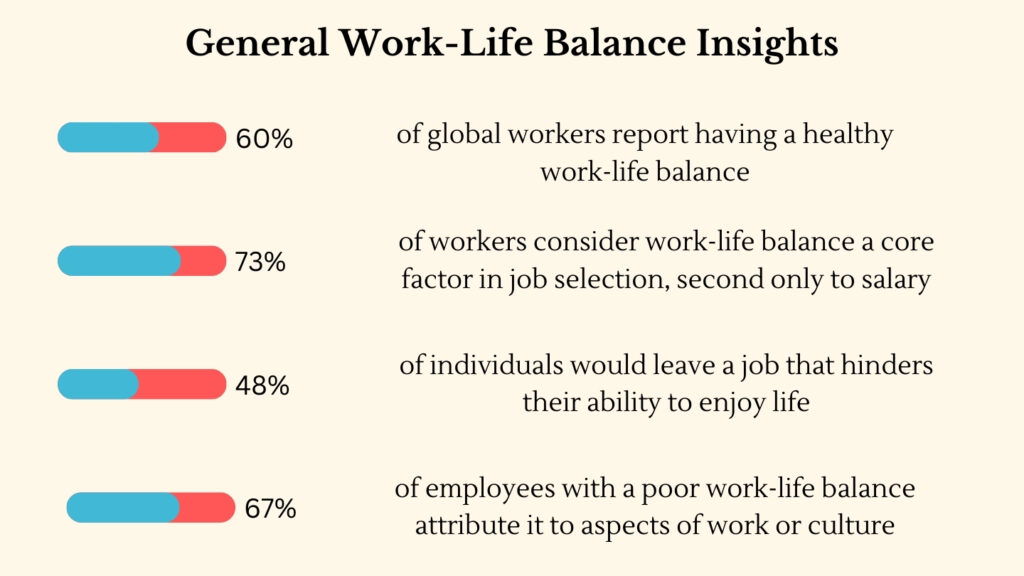
In today’s digital age, remote work has become more than just a trend; it’s a necessity. Individuals can now enjoy flexibility and a better work-life balance, which is particularly appealing. For instance:
- Global Talent Pool: Companies can hire the best talent regardless of location.
- Increased Productivity: Many find they can focus better in a quiet home environment.
With these changes, combining email marketing with remote work offers exciting opportunities for professionals and businesses alike.

Understanding Email Marketing
Basics of Email Marketing
Diving into the world of email marketing is both thrilling and strategic. At its core, email marketing involves sending targeted messages to a specific audience. Key components include:
- Subscriber List: Building a list of interested individuals is foundational.
- Engaging Content: Crafting compelling messages boosts open rates.
- Call-to-Action (CTA): Every email should encourage the reader to take a specific action.
Trends in Email Marketing
Staying ahead in email marketing means embracing emerging trends. For instance, personalization is no longer optional; it’s expected. Consider these current trends:
- Segmentation: Groups subscribers by interests for tailored content.
- Automation: Streamlining campaigns saves time and increases efficiency.
- Interactive Elements: Including polls or videos can engage readers more effectively.
By understanding these basics and trends, marketers can create impactful campaigns tailored for an ever-evolving audience.

Building Skills for Email Marketing
Copywriting Techniques
Effective copywriting is the backbone of successful email marketing. It’s all about grabbing attention and prompting action. Here are some techniques to enhance your skills:
- Craft Compelling Subject Lines: An enticing subject line can significantly increase open rates. Think of it as your email’s first impression.
- Tell a Story: Sharing a relatable anecdote can connect with readers on a personal level. For example, a brand might share how they overcame a challenge, creating an emotional bond with subscribers.
- Use Clear CTAs: Always let your readers know what to do next—whether it’s clicking a link or signing up for a webinar.
Email Automation Tools
Incorporating email automation tools is a game changer for marketers. These tools allow you to streamline your campaigns and save time. Popular options include:
- Mailchimp: Ideal for beginners, offers an easy interface.
- HubSpot: A comprehensive platform for scaling businesses.
- ActiveCampaign: Excellent for advanced automation features.
By mastering copywriting and utilizing automation tools, marketers can create effective and efficient email campaigns that resonate with their audience.

Creating a Standout Resume
Tailoring Resume for Email Marketing
Creating a standout resume for email marketing is crucial to catch an employer’s eye. One of the first steps is customizing your resume for each application. Consider these tips:
- Use Keywords: Review the job description to identify essential skills and terms to incorporate. This not only highlights your fit but also helps in passing through Applicant Tracking Systems (ATS).
- Adjust the Objective Statement: Create a tailored objective that directly aligns with the company’s goals in email marketing.
Highlighting Relevant Experience
Your experience should reflect your skills in email marketing explicitly. When listing past positions:
- Quantify Successes: Use metrics to showcase achievements, such as “Increased open rates by 30% through targeted email campaigns.”
- Include Hands-On Projects: Share specific projects or campaigns you’ve worked on, providing details on your role and the tools used.
By focusing on these aspects, your resume will not only stand out but also demonstrate your readiness to excel in an email marketing role.

Navigating Job Search Platforms
Best Platforms for Remote Jobs
Finding the right job search platform can make all the difference, especially in the realm of remote work. Here are some of the best platforms geared toward remote opportunities:
- FlexJobs: A subscription service that curates a wide variety of remote positions, ensuring quality over quantity.
- We Work Remotely: This site focuses solely on remote jobs, covering multiple industries, including email marketing.
- Remote.co: Offers resources and job listings specifically for remote roles, with insights from companies that prioritize flexibility.
Optimizing Job Search Strategies
To maximize your job search, consider these strategies:
- Set Up Alerts: Create job alerts based on your specific interests to avoid missing opportunities.
- Network Actively: Utilize social media to connect with professionals in your field, especially on LinkedIn.
- Update Your Profile Regularly: Keep your profile updated with new skills and experiences to attract potential employers.
By leveraging the right platforms and optimizing your search strategies, landing your dream job in remote email marketing becomes much more attainable.
Preparing for Remote Interviews
Virtual Interview Tips
As you transition to the exciting stage of interviews, preparing for virtual settings is crucial. Here are some practical tips to ensure you shine:
- Test Your Technology: Before the interview, check your internet connection, microphone, and camera to avoid any technical hiccups. I learned this the hard way during one of my first virtual interviews when my mic decided to go mute!
- Choose a Professional Background: A clean, uncluttered space reflects your professionalism. If possible, opt for good lighting that enhances your visibility.
- Dress the Part: Even though you’re at home, dressing professionally can boost your confidence and focus.
Showcasing Skills and Experience
During the interview, it’s key to articulate your skills and experience effectively. Here are ways to do so:
- Prepare Your Portfolio: If applicable, share examples of previous email marketing campaigns that showcase your achievements.
- Use the STAR Method: When answering behavioral questions, structure your responses around the Situation, Task, Action, and Result—the STAR method helps keep your answers clear and focused.
With these tips, you’ll feel well-equipped to tackle your remote interview confidently!
Negotiating Remote Job Offers
Understanding Remote Compensation
Once you receive a job offer, understanding remote compensation is vital. Unlike traditional roles, remote positions may feature unique benefits. Consider these aspects to ensure you grasp the full value:
- Salary Structure: Research typical salaries for similar roles in your industry. Websites like Glassdoor and Payscale offer insights that can guide your negotiations.
- Additional Benefits: Look for perks like remote work stipends, health insurance, equipment reimbursement, or professional development budgets. I once learned that having a dedicated home office stipend could significantly enhance my work setup.
Negotiation Tactics
Effective negotiation tactics can elevate your offer. Here are some strategies to consider:
- Be Prepared: Have a clear idea of your worth and what you desire before the conversation.
- Communicate Openly: Approach negotiations collaboratively; express enthusiasm for the role while discussing compensation.
- Practice Active Listening: Pay attention to the employer’s perspective, which can foster a positive dialogue.
By understanding compensation and employing solid tactics, you can secure a remote job offer that truly meets your needs!
Remote Work Productivity Tips
Setting Up a Home Office
Creating an effective home office environment is essential for productivity. A dedicated workspace helps separate work from personal life. Here are fundamental setup tips:
- Choose the Right Location: Find a quiet area with minimal distractions, preferably away from common household activities.
- Ergonomics Matter: Invest in a comfortable chair and desk that fits your needs. A good workspace boosts focus and reduces strain. I learned the hard way when my first makeshift desk led to neck pain!
- Personalize Your Space: Add elements that inspire you, like plants or artwork, to create a motivating atmosphere.
Time Management Techniques
Mastering time management is equally important. Here are some effective techniques to keep your day organized:
- Prioritize Tasks: Use the Eisenhower Matrix to distinguish between urgent and important tasks, focusing on what truly matters.
- Time Blocking: Allocate specific time slots for different tasks to prevent multitasking and increase efficiency.
- Pomodoro Technique: Work in focused bursts followed by short breaks. This method has increased my productivity significantly.
By optimizing your home office and mastering time management, you can enhance your remote work productivity like never before!
Balancing Work and Life in Remote Setting
Establishing Work-Life Boundaries
Striking a balance between work and life in a remote setting can be a challenge. To establish clear boundaries, consider the following tips:
- Set Defined Work Hours: Choose specific start and end times for your day. I’ve found that having a consistent schedule helps me transition from work mode to personal time more smoothly.
- Create a Work Ritual: Develop a routine that signals the beginning and end of your workday, like a morning coffee or an evening walk.
- Limit After-Hours Communication: Resist the temptation to check work emails after hours. This can help maintain your mental wellness and prevent burnout.
Remote Work Wellness Strategies
Incorporating wellness strategies is essential to ensure you thrive in a remote work environment. Try these methods:
- Schedule Regular Breaks: Short breaks throughout the day help recharge your mind and boost productivity.
- Practice Mindfulness: Incorporating meditation or deep-breathing exercises can reduce stress and enhance focus.
- Stay Active: Involve movement in your day, whether it’s a quick workout or a walk around the neighborhood.
By establishing work-life boundaries and focusing on wellness, you’ll set the stage for a more balanced and fulfilling remote work experience!
Networking in the Email Marketing Industry
Online Networking Platforms
Networking is essential in the email marketing industry, especially in a remote setting. Fortunately, several online platforms facilitate connections with like-minded professionals:
- LinkedIn: This platform is invaluable for building your professional network. Engaging in relevant groups or participating in discussions can expand your reach significantly.
- Twitter: Follow industry leaders and brands; their tweets often include useful resources or opportunities for collaboration.
- Facebook Groups: Numerous groups focus on email marketing, where you can share insights, ask questions, and foster relationships. I joined a group once, and it led to mentorship opportunities that were pivotal in my career.
Building Professional Relationships
Creating meaningful connections is key. Here’s how to cultivate those relationships:
- Engage Authentically: Comment on and share others’ content to show support and foster engagement.
- Ask for Informational Interviews: Reach out to individuals for casual conversations to learn more about their experiences. This approach often opens doors to future collaborations.
- Follow Up Consistently: Keeping in touch with connections through periodic check-ins or sharing articles can solidify relationships over time.
By leveraging online platforms and focusing on building authentic relationships, you’ll enhance your network within the email marketing industry significantly!
Advancing Your Email Marketing Career
Continuous Learning Opportunities
As the email marketing landscape evolves, embracing continuous learning is crucial for staying competitive. There are plenty of avenues to expand your knowledge:
- Online Courses: Platforms like Coursera and Udemy offer specialized courses on email marketing strategies and tools. I enrolled in a course that significantly enhanced my copywriting skills, shaping the way I approach campaigns.
- Webinars and Workshops: Many industry professionals share valuable insights through free webinars. Participating in these not only boosts your knowledge but also expands your network.
- Certifications: Obtaining certifications from recognized institutions adds credibility to your skill set and can often lead to new job opportunities.
Seeking Career Growth
To proactively seek career growth, consider these strategies:
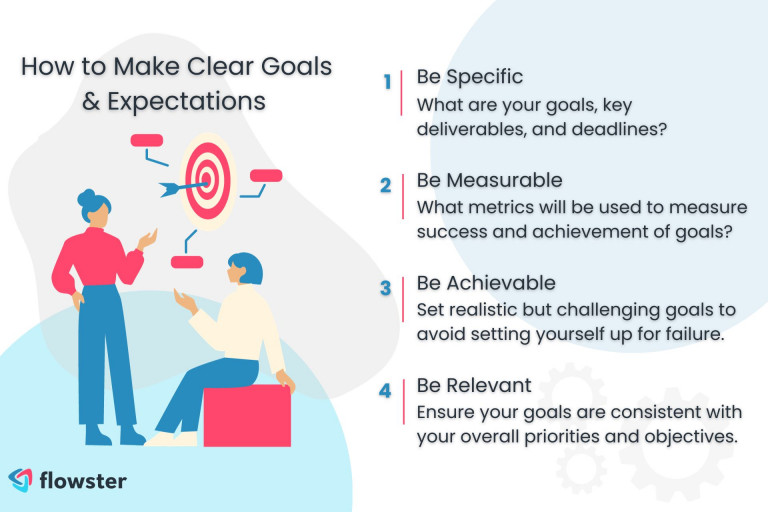
- Set Clear Goals: Define where you want to be in the next few years, whether it’s mastering specific tools or moving into management roles.
- Request Feedback: Regularly ask for constructive feedback from supervisors or peers to identify areas of improvement. This openness can lead to personal and professional growth.
- Volunteer for New Projects: Taking on additional responsibilities can showcase your initiative and lead to advancement opportunities within your current organization.
By investing in continuous learning and actively seeking growth, you can propel your email marketing career to new heights!

XII. Overcoming Remote Work Challenges
Communication Strategies
Effective communication can be a challenge in remote work environments, but employing thoughtful strategies can bridge those gaps. Consider these approaches:
- Use the Right Tools: Platforms like Slack, Zoom, and Microsoft Teams facilitate instant communication and video conferencing. I’ve found that regular video check-ins foster a sense of connection among team members.
- Establish Clear Guidelines: Setting communication expectations, such as response times and preferred channels, helps everyone stay on the same page.
- Encourage Open Dialogue: Create a culture where team members feel comfortable sharing ideas and feedback. Regular team-building activities, even virtually, can play a significant role in strengthening relationships.
Dealing with Isolation
Combatting feelings of isolation is crucial for mental well-being in remote work. Here are some effective strategies:
- Schedule Virtual Social Events: Organize informal gatherings or coffee chats with colleagues to foster camaraderie. A virtual game night I hosted led to unexpected friendships!
- Stay Connected: Regularly reach out to friends and family to maintain those social ties. Whether through phone calls or messaging apps, staying connected can alleviate feelings of loneliness.
- Seek Professional Support: If feelings of isolation persist, consider speaking with a counselor or therapist for guidance and support.
By implementing robust communication strategies and actively combating isolation, you can navigate the challenges of remote work successfully!
XIII. Remote Work Legal Considerations
Understanding Remote Work Laws
Navigating the legal landscape of remote work is essential for both employees and employers. Understanding these laws protects your rights and ensures compliance:
- Labor Laws: Familiarize yourself with local labor laws, which cover minimum wage, overtime, and employee rights. I once overlooked regional wage laws, leading to confusion about pay expectations.
- Tax Implications: Remote work can involve different tax regulations depending on your location. Employees must understand where they are liable for income taxes and any remote work deductions available.
- Workplace Safety Regulations: Even when working from home, some safety regulations may apply. Employers should ensure that employees have a safe and conducive work environment.
Contractual Agreements
Having clear contractual agreements is crucial to set expectations. Here’s what to consider:
- Employment Contracts: Make sure your contract explicitly outlines job responsibilities, compensation, and benefits. A well-defined contract can prevent misunderstandings.
- Confidentiality Agreements: Depending on your role, you may need to sign Non-Disclosure Agreements (NDAs) to protect sensitive company information.
- Flexible Arrangement Clauses: If applicable, include clauses that address flexibility in work hours and remote work policies. This can provide clarity for both parties.
By understanding remote work laws and ensuring solid contractual agreements are in place, both employees and employers can foster a productive and legally compliant remote working environment.

XIV. Thriving in a Remote Email Marketing Role
Building a Successful Remote Routine
To thrive in a remote email marketing role, establishing a solid routine is vital. A well-structured day can enhance your productivity and create a sense of normalcy. Here are some strategies:
- Start with a Morning Ritual: Begin your day with a consistent morning routine, whether it’s yoga, a quick workout, or enjoying a cup of coffee while reviewing your goals for the day. This sets a positive tone.
- Designate Specific Work Hours: Clearly defined hours help maintain boundaries between work and personal time, making it easier to focus when you’re on the clock.
Staying Motivated
Motivation can easily wane while working remotely, so consider these tips to keep your enthusiasm high:
- Set Daily Goals: Break tasks down into achievable goals. I like to create a to-do list each morning, which keeps me accountable and focused.
- Celebrate Small Wins: Acknowledge your accomplishments, no matter how minor, to keep morale up.
- Engage with Peers: Regular check-ins or brainstorming sessions with colleagues can spark creativity and make work feel more collaborative.
By building a structured routine and employing motivation techniques, you can thrive in your remote email marketing role and deliver outstanding results!

XV. Conclusion
Recap of Remote Success Tips
As we wrap up our discussion on thriving in a remote email marketing role, here’s a quick recap of the key success tips:
- Establish a Routine: A structured workday enhances productivity and balances work-life boundaries.
- Communicate Effectively: Use suitable tools and foster open dialogue to maintain strong working relationships.
- Continuous Learning: Stay updated with trends and enhance your skills to remain competitive in the field.
Future Outlook in Email Marketing Industry
Looking ahead, the email marketing industry is poised for exciting growth. Personalization will continue to dominate, with artificial intelligence playing a significant role in tailoring messages to audiences.
Moreover, the rise of privacy regulations will shape how marketers approach data collection and customer engagement. Embracing these changes will prepare you to thrive in the evolving landscape. As you advance your career, remember that adaptability and lifelong learning are your best allies in achieving success!