
Introduction
Overview of Email Marketing Managers
In today’s digital landscape, email marketing continues to thrive as one of the most effective channels for businesses to engage with their customers. At the helm of these initiatives are Email Marketing Managers, professionals responsible for crafting campaigns that resonate with audiences. These managers not only design and execute email strategies, but they also analyze customer behavior, segment audiences, and optimize performance metrics to boost engagement and conversions.
An Email Marketing Manager is more than just a creative role; it’s a blend of art and science. They are equipped with various skills, including:
- Content Creation: Crafting compelling emails that grab attention.
- Data Analysis: Utilizing metrics to enhance future campaigns.
- Technical Proficiency: Navigating email marketing software and tools seamlessly.
- Customer Relationship Management (CRM): Understanding how to build and maintain customer relationships.
Many Email Marketing Managers will often share anecdotes about how a single email campaign significantly increased their company’s sales or improved customer engagement rates. Stories like these emphasize the impact these professionals can have within an organization.
Importance of Understanding Salary Secrets
The topic of salary can be a sensitive yet crucial aspect of career development for Email Marketing Managers. Understanding salary secrets is essential for several reasons. First, knowing your worth enables you to negotiate effectively, ensuring that you receive compensation commensurate with your skills and contributions.
Consider the factors that influence your salary:
- Experience Level: As with many professions, more experienced managers generally command higher salaries.
- Geographical Location: Market rates vary widely based on location; a position in a major city may pay considerably more than one in a rural area.
- Company Size and Industry: Different industries may provide varying salary scales; for example, tech companies might offer higher pay than non-profits.
Additionally, a firm grasp of salary trends can empower Email Marketing Managers to make educated career choices, whether that means seeking promotions, transitioning to new companies, or pivoting to related roles in their field.
For instance, a manager aware of rising salary expectations can feel confident approaching discussions about raises or job offers from new employers. Engaging in network discussions can also reveal insights into salary benchmarks within the industry.
Understanding these salary secrets not only contributes to personal wealth but also fosters professional growth, allowing Email Marketing Managers to thrive in their careers. As we move forward, let’s delve deeper into the factors affecting salaries in this pivotal role.

Factors Affecting Salary
Level of Experience
When discussing salary for Email Marketing Managers, one of the most significant factors is the level of experience. Like many professions, experience can play a pivotal role in determining compensation. The journey in this career can vary widely, with distinct roles emerging depending on how long professionals have been in the field.
Here’s how experience typically translates into salary brackets:
- Entry-Level (0-2 years): Fresh out of college or transitioning from a different field, an entry-level Email Marketing Manager can expect to earn a modest salary. While responsibility levels are more limited, this is an excellent time to gain hands-on experience. As bullet points might indicate:
- Focus on learning the ropes of email platforms like Mailchimp or Constant Contact.
- Collaborating with more experienced team members.
- Mid-Level (3-5 years): A few years down the road, salaries begin to see a significant increase as professionals gain essential skills and confidence. At this point, many managers are empowered to lead their own campaigns and start analyzing customer data more effectively. Anecdotally, at this stage, professionals often report feeling the thrill of spearheading successful campaigns that drive real results.
- Senior-Level (5+ years): Senior Email Marketing Managers with extensive experience not only command impressive salaries but also take on leadership responsibilities. They mentor junior staff members and strategically guide large-scale marketing initiatives. Their in-depth knowledge of the market and trends can lead to salaries that far exceed those of their less experienced counterparts.
Location
While experience undoubtedly influences salary, the geographical location of the job plays an equally critical role. Different cities and regions showcase varying cost of living standards and job demands, shaping salary expectations in the process.
For instance, in metropolitan areas where the cost of living is higher—such as San Francisco or New York City—salaries for Email Marketing Managers typically reflect this economic landscape. Conversely, positions in smaller towns or rural areas may offer lower compensation levels but can be balanced by a lower cost of living.
To illustrate this further, let’s breakdown some key aspects:
- Metro Areas:
- Higher salaries, often 10-20% more than the national average.
- Competitive job markets, requiring managers to establish a strong personal brand.
- Suburban & Rural Areas:
- Lower base salaries, but often with better work-life balance and lower living costs.
- Opportunities for remote work are frequently available, which can help widen the talent pool for employers.
Understanding how both experience and location can influence salary allows Email Marketing Managers to make informed career choices. Whether aiming for advanced certifications or considering relocating for a better opportunity, these factors play a vital role in shaping a successful career in email marketing. As we continue this journey, it’s important to delve into the average salary range for these professionals to further illustrate the financial landscape they navigate.
Average Salary Range
Entry-Level Email Marketing Managers
Understanding the average salary range for Email Marketing Managers is critical, especially when setting expectations for those just starting in the field. Entry-level positions typically attract recent graduates or those transitioning from different industries. For these budding professionals, the pathway is both exciting and challenging.
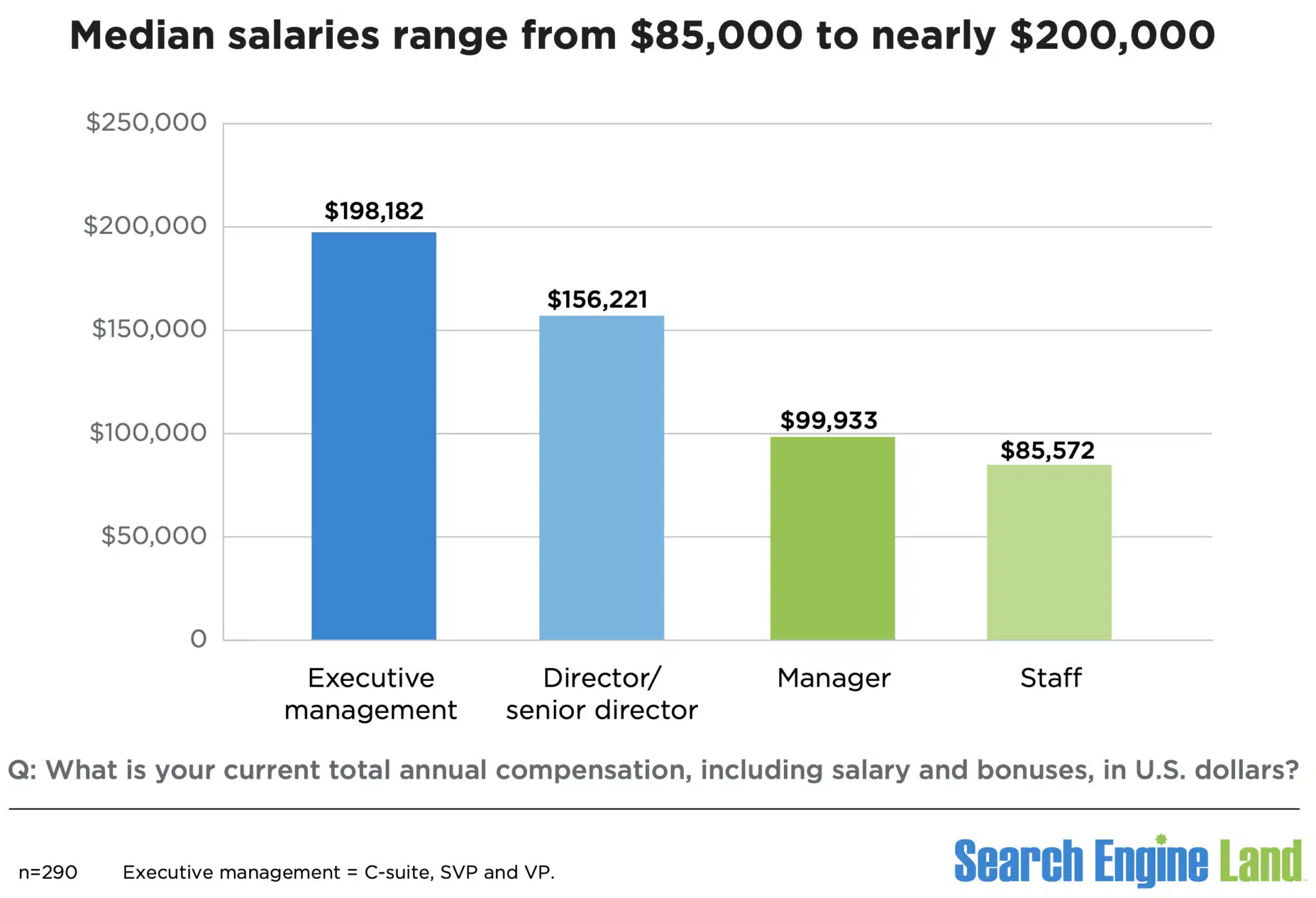
On average, entry-level Email Marketing Managers can expect to earn between $40,000 and $60,000 annually, though this figure can fluctuate depending on several factors, such as location and the specific company. Here’s what to consider:
- Skill Development: Most entry-level roles focus on honing skills, such as:
- Learning email marketing platforms and tools.
- Crafting engaging content and understanding customer segmentation.
- Performing basic analytics to gauge campaign effectiveness.
- Career Growth: Many who start in entry-level positions have tremendous opportunities to progress quickly. For example, a junior manager might take the lead on a campaign after just a year, potentially setting the stage for salary increases of up to 20% within a short timeframe.
- Real-World Example: A friend of ours, Lisa, landed her first job as an entry-level Email Marketing Manager at a mid-sized tech company. She started with a salary of $45,000 but showcased exceptional skills within the first year, eventually landing a promotion that boosted her income to $55,000.
This entry point serves not just as a salary baseline but a launchpad for upward mobility in the field.
Senior-Level Email Marketing Managers
As Email Marketing Managers advance in their careers, the financial rewards can increase significantly. Senior-level professionals, often boasting five or more years of experience, command salaries that reflect their expertise and responsibilities. On average, Senior-Level Email Marketing Managers can expect to earn anywhere from $70,000 to $120,000 annually, depending on various factors like industry, company size, and location.
Here are some points to consider for senior-level salaries:
- Broader Responsibilities: Senior managers lead strategic initiatives, often in charge of large teams and budgets. Their roles typically include:
- Overseeing complex campaigns and ensuring alignment with broader marketing strategies.
- Utilizing advanced analytics to drive decisions and optimize performance.
- Mentoring junior marketing staff and contributing to company policy on email marketing.
- Industry Variances: Some industries are more lucrative than others. For example, Email Marketing Managers in the tech industry might earn more than those in non-profits due to the budget differences and business scales involved.
- Personal Journey: A mentor of mine, John, transitioned to a senior role a few years back and initially earned $80,000. His deep understanding of A/B testing and customer analytics allowed him to secure a promotion that led to a salary of $95,000, demonstrating the value of continual learning and adaptation in this dynamic field.
Overall, the salary range for Email Marketing Managers reveals a significant potential for growth, from those taking their first steps in the profession to seasoned veterans steering sophisticated marketing strategies. This upward trajectory not only reflects experience and skills but also emphasizes the importance of advancing one’s career through proactive learning and networking. With a solid grasp of these figures, Email Marketing Managers can better navigate their financial landscape and set realistic goals for their professional journeys.

Additional Benefits
Bonus Structures
Beyond base salaries, Email Marketing Managers often enjoy a variety of additional financial incentives, notably bonus structures. These bonuses can significantly enhance overall compensation, making the role even more enticing.
Bonus structures vary widely among companies, but here are some common types that Email Marketing Managers might encounter:
- Performance-Based Bonuses:
- These bonuses are typically tied to the success of email campaigns. If a campaign meets or exceeds set goals—such as open rates, click-through rates, or conversion rates—managers can receive a bonus of 10-20% of their base salary.
- For instance, if an Email Marketing Manager earns $70,000 and successfully drives a campaign that surpasses performance metrics, they may pocket an additional $7,000 to $14,000.
- Year-End Bonuses:
- Many organizations offer a year-end bonus, frequently reflective of overall company performance. It’s a rewarding way to celebrate collective success, encouraging a unified effort from teams.
- These bonuses can range from 5-15% of the annual salary, depending on the company’s profitability.
- Project Completion Bonuses:
- Managers may also secure bonuses by successfully completing major projects, like launching a new email platform or revamping a marketing strategy. This can serve as an incredible motivator for tackling demanding tasks and delivering superior results.
Personal anecdotes abound regarding the life-changing impact of bonuses on employees’ finances. One colleague, Sarah, shared how her successful holiday email campaign helped her achieve a significant year-end bonus last year. Coupled with her salary, it allowed her to take a well-deserved vacation — a perfect example of how performance can pay off.
Remote Working Opportunities
In recent years, the landscape of work has transformed significantly, and Email Marketing Managers have reaped the benefits of this change. Remote work options not only enhance job satisfaction but also come with additional perks that can improve overall quality of life.
Here are some reasons why remote working opportunities have become increasingly prevalent in this field:
- Flexibility: Most Email Marketing Managers appreciate the ability to create their own schedules. With responsibilities that often require creativity and focus, working from home allows for a more tailored work environment. This flexibility can lead to increased productivity.
- Work-Life Balance: Remote positions often contribute to better work-life balance. Managers can manage their work alongside personal commitments, reducing stress and improving mental health. The time saved commuting can be repurposed for personal activities or further professional development.
- Cost Savings: Working remotely can lower everyday costs, such as transportation, meals, and work attire. These savings can be significant over time. Many remote workers report reallocating these funds toward enriching experiences, like travel or professional courses.
Personal stories abound regarding the joys of remote work. A friend of mine, Tom, transitioned to a fully remote position during the pandemic. He discovered that he had more time for his family and was able to dedicate hours to pursuing hobbies he had set aside, like learning graphic design—something he had always wanted to do.
In conclusion, additional benefits such as bonus structures and remote working opportunities not only enhance the financial compensation for Email Marketing Managers but also improve overall job satisfaction. As the industry evolves, these factors will continue to play a critical role in attracting and retaining talented professionals, paving the way for a rewarding career in email marketing.

Salary Negotiation Tips
Researching Market Rates
When it comes to securing a competitive salary as an Email Marketing Manager, thorough research is essential. Understanding market rates empowers professionals to negotiate confidently and effectively during interviews or performance reviews.
Here are a few practical steps to research market rates:
- Use Salary Websites:
- Websites like Glassdoor, PayScale, and LinkedIn Salary Insights offer valuable salary data tailored to specific job titles, industries, and locations. These platforms can provide a rough benchmark for what to expect in terms of compensation.
- Network with Peers:
- Engaging in conversations with fellow marketing professionals can yield invaluable insights. Informal chats, whether over coffee or through online forums, can reveal compensation ranges that aren’t readily available online.
- A friend of mine, Maria, found that by attending local marketing meetups, she was able to gather information about salary expectations directly from peers in similar roles. This hands-on approach made her feel more prepared when it came time to negotiate her own pay.
- Look for Industry Reports:
- Many marketing associations publish annual salary surveys detailing trends and averages based on experience and role. These reports can add to your knowledge base and provide credible sources to reference during negotiations.
- Geographic Considerations:
- Remember, salaries can vary based on the geographical location. If you’re located in a high-cost area, factor this into your negotiations. A salary that seems high in one part of the country might not have the same purchasing power in another.
By taking the time to gather such information, Email Marketing Managers can approach salary negotiations with confidence and a clear understanding of their worth.
Highlighting Achievements in the Interview
Another crucial aspect of successful salary negotiations is the ability to articulate personal achievements and contributions during the interview process. Employers are often willing to pay more for proven results, making it essential for candidates to present their accomplishments compellingly.
Here are some effective strategies for highlighting achievements:
- Quantify Results:
- Numbers speak volumes. When discussing past campaigns, use data to showcase success. For example, stating, “I increased the open rate of our email campaigns by 25% over six months” instantly provides evidence of your effectiveness.
- Diverse Skills:
- Be sure to encompass the breadth of your skills beyond just email campaigns. Mention experience with A/B testing, customer segmentation, and analytics tools, as these are critical competencies that enhance your value.
- Positive Impact on the Team:
- Employers appreciate candidates who not only excel individually but also elevate their teams. Discuss instances where you mentored colleagues or led initiatives that improved team productivity.
- Real-World Example:
- During her interview for a senior position, Jenna showcased her ability to turn around a struggling email campaign. By providing specific metrics—like a 30% increase in conversion rates within three months—she successfully justified her ask for a higher salary, landing an offer significantly above the initial range presented.
As an Email Marketing Manager, being proactive and strategic in showcasing achievements can set you apart during negotiations. This combination of thought-out research on market rates and effective personal marketing of your accomplishments during interviews prepares you to tackle salary discussions with poise and assurance.
In conclusion, mastering the art of salary negotiation doesn’t just ensure a respectable paycheck; it contributes to your overall professional growth and confidence in your capabilities. With diligent preparation and effective self-promotion, Email Marketing Managers can navigate discussions that reflect their true worth in this dynamic field.