
Introduction to Email Marketing Funnel Strategy
Understanding the Basics of Email Marketing
Email marketing may seem like an outdated approach in the age of social media and instant messaging, but its effectiveness remains unparalleled. At its core, email marketing is about communicating directly with potential and existing customers through the inbox.
Imagine receiving a personalized message that speaks directly to your interests and needs—this is the power of email marketing. Whether it’s a welcoming newsletter, a product launch announcement, or a special promotion, well-crafted emails can engage customers effectively.
The basics of email marketing revolve around several key components:
- Building an Email List: This refers to gathering the contacts of individuals who have shown interest in your brand.
- Creating Targeted Content: Tailoring content based on customer preferences ensures higher engagement.
- Measuring Success: Monitoring open rates, click-through rates, and conversions will help assess the effectiveness of campaigns.
For instance, a small clothing retailer might collect emails through a signup form on their website, providing visitors with a discount code in exchange for their contact information. This simple strategy not only grows the email list but also encourages immediate purchases, demonstrating how effective the fundamentals can be.
Importance of Having a Structured Funnel Strategy
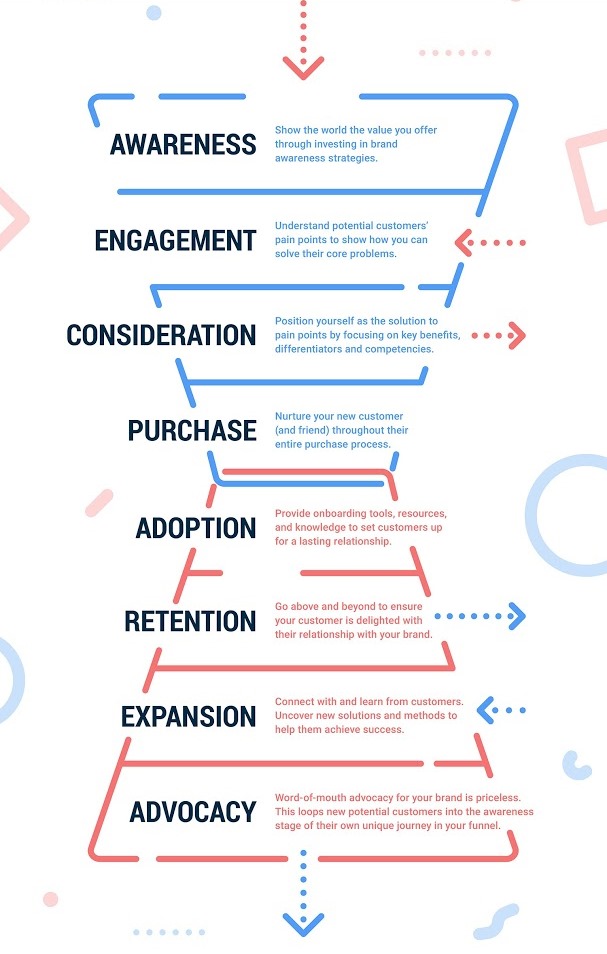
Having a structured email marketing funnel strategy is crucial for businesses looking to nurture leads and foster relationships with customers. A funnel helps in guiding consumers through the buying process from awareness to decision-making.
Consider the journey:
- Awareness: A potential customer learns about your brand through a blog post or social media.
- Interest: They subscribe to your email list to gain access to exclusive content or offers.
- Consideration: Through targeted email campaigns, you share valuable information and testimonials that pique their interest.
- Decision: Finally, a well-placed promotional email encourages them to make a purchase.
A structured funnel not only streamlines this process but also ensures that the right messages reach the right audience at the appropriate times. This helps maximize conversions and minimize customer dropout rates.
Benefits of a Structured Funnel Strategy:
- Increased Engagement: Personalized emails and targeted content keep subscribers interested.
- Higher Conversion Rates: A well-defined journey encourages timely purchases.
- Improved Customer Retention: Regular communication fosters loyalty and encourages repeat purchases.
By implementing a structured email marketing funnel strategy, businesses can effectively manage customer relationships and drive revenue growth. The key lies in understanding the audience’s journey and coordinating every step of the way.
Building Your Email List
Techniques for Growing Your Subscriber Base
As the foundation of any successful email marketing campaign, a robust email list is essential. It’s not just about the number of subscribers; it’s about quality and relevance. So, how can businesses effectively grow their subscriber base? Here are some techniques that have proven successful:
- Offer Value with Incentives:
- Consider providing downloadable content such as eBooks, guides, or templates in exchange for email addresses. Visitors are more likely to subscribe if they believe they are getting something valuable.
- Example: A fitness trainer might offer a free 30-day workout plan in exchange for an email signup, drawing health-conscious individuals eager to achieve their fitness goals.
- Utilize Social Media:
- Promote your email list on your social media platforms by sharing snippets of your email content. Create engaging posts that encourage followers to subscribe for more exclusive offers.
- Personal anecdote: A local coffee shop regularly shares customer testimonials on Instagram, urging followers to sign up for their newsletter to receive updates on special promotions and new menu items.
- Add Sign-Up Forms Everywhere:
- Make it easy for potential subscribers by strategically placing signup forms on your website. Consider adding sign-up links in the footer, blog post sidebars, and pop-ups for maximum visibility.
- Engage with Events:
- Attend trade shows, conferences, or community events to collect email addresses. Have a sign-up sheet at your booth, offering targeted giveaways for those who join your list.
- Run Contests and Giveaways:
- Encourage people to join your email list by offering opportunities to win prizes. This tactic can drive a significant number of sign-ups, especially if the prize is desirable!
By employing these techniques, businesses can lay a solid groundwork for a flourishing email list.
Segmenting Your Email List for Targeted Content
Once a business has started building its email list, the next crucial step is segmentation. Segmenting your email list allows you to send targeted content that resonates with specific groups within your audience, leading to higher engagement and conversion rates.
Here’s how to effectively segment your email list:
- Demographic Segmentation:
- Group subscribers by age, gender, occupation, or location. This can help tailor messages that address the unique needs of each demographic. For example, a beauty brand might send different promotions to younger audiences versus older segments.
- Behavioral Segmentation:
- Analyze subscriber interactions—such as past purchases, email openings, and clicks—to create segments. For instance, frequent buyers could receive exclusive discounts while occasional buyers may benefit from re-engagement emails.
- Interest-Based Segmentation:
- When subscribers join your list, ask about their interests. This allows you to categorize them accordingly and send relevant content. For example, a travel agency could segment subscribers based on their preferred destinations or types of travel (adventure, luxury, family-friendly).
- Lifecycle Stage Segmentation:
- Segment based on where someone is in their customer journey. New subscribers might receive welcome emails, while loyal customers could receive loyalty rewards.
By employing segmentation strategies, businesses can ensure that their emails are not only opened but also actively engaged with. This leads to stronger relationships and ultimately contributes to increased sales and brand loyalty. Building your email list and segmenting it effectively sets the stage for powerful email marketing campaigns that can drive results.

Crafting Compelling Email Content
Writing Engaging Subject Lines
After diligently building your email list and segmenting your audience, the next step is crafting compelling email content that captures attention and drives engagement. The starting point of this journey lies in the subject line. Often considered the most crucial element, an engaging subject line can make the difference between an email being opened or sent straight to the trash.
Here are some tips to craft captivating subject lines:
- Keep it Short and Sweet: Aim for 6-10 words. This brevity ensures that readers can quickly grasp your message, especially on mobile devices. For example, “Unlock Your Exclusive Summer Sale!” is straightforward and enticing.
- Create a Sense of Urgency: Encouraging immediate action can boost open rates. Using phrases like “Last Chance” or “Only 24 Hours Left!” can motivate subscribers to act quickly.
- Use Personalization: Incorporating the recipient’s name or specific interests can create a more personal connection. For example, “Sarah, Your Personalized Workout Routine Awaits!” feels tailored and relevant.
- Ask Questions: Posing a question in the subject line can pique curiosity and encourage opens. “Ready to Transform Your Home Office?” invites engagement and makes the reader want to know more.
- Emphasize Value: Clearly state what the reader will gain from opening the email. For instance, “5 Tips for a Healthier Lifestyle” promises valuable content that aligns with interests.
A personal experience: When running a small online store, an A/B test revealed that a subject line with a sense of urgency outperformed a generic one by over 30%. This realization highlighted the power of crafting intention-driven subject lines.
Designing Eye-Catching Templates
A fantastic subject line can only take you so far if the email content itself doesn’t resonate visually. The design of email templates plays an equally vital role in ensuring engagement. Eye-catching designs can captivate subscribers from the moment they open their emails.
Consider these design strategies for creating visually appealing templates:
- Consistent Branding:
- Ensure that your email design aligns with your brand’s identity. Use consistent colors, fonts, and logos to reinforce brand recognition.
- Mobile-Responsive Design:
- Given that a large percentage of emails are opened on mobile devices, it’s critical to create templates that adapt seamlessly to different screen sizes. Utilize fluid layouts and larger fonts for readability on smaller screens.
- Use of Images and Visuals:
- Integrate relevant images that complement your content. High-quality visuals can break up text, making emails more visually engaging. A well-placed product image can entice readers to learn more.
- Clear Call-to-Action (CTA):
- Your CTA should stand out visually. Use contrasting colors and bold fonts to ensure that readers can easily identify the action you want them to take. For example, a bright button that says “Shop Now” can effectively draw attention.
- Organized Layout:
- Structure your email content in sections with headers. This makes it easier for readers to scan and find the information that interests them most.
By focusing on both captivating subject lines and visually appealing templates, businesses can significantly enhance their email marketing efforts. This combination not only increases open rates but also reinforces the likelihood of clicks and conversions, giving the content the impact it deserves. In the end, it’s all about creating a cohesive experience that resonates with your audience and drives them to take action.

Automating Email Sequences
Setting up Automated Campaigns
Once your email content is engaging and your subscribers are segmented effectively, the next powerful step is to automate email sequences. This process allows businesses to send timely, targeted messages without manually triggering each campaign, saving time and ensuring consistency.
So, how can businesses effectively set up automated campaigns? Here are some essential steps:
- Identify Your Goals:
- Determine what you want to achieve with each automated campaign. Whether it’s welcoming new subscribers, nurturing leads, or re-engaging inactive customers, having clear goals will guide your content.
- Choose the Right Automation Tool:
- Utilize email marketing software that offers automation features. Tools like Mailchimp, ActiveCampaign, or ConvertKit provide user-friendly options for creating and managing automated email sequences.
- Create Triggers:
- Set up specific actions that will trigger an email to be sent. Common triggers include:
- Signing up for a newsletter
- Completing a purchase
- Abandoning a shopping cart
- Set up specific actions that will trigger an email to be sent. Common triggers include:
- Design Your Email Sequence:
- Develop a logical flow of emails based on your goals and triggers. For example, a welcome series might include:
- A welcome email immediately after signing up
- A follow-up email showcasing popular products
- A thank-you email after a purchase
- Develop a logical flow of emails based on your goals and triggers. For example, a welcome series might include:
- Monitor and Optimize:
- Once the automated campaigns are live, it’s essential to track their performance. Monitor open rates, click-through rates, and conversions to identify any areas for improvement. Adjust your email content or frequency as needed.
A personal example: When implementing an automated welcome series in my own business, I noticed that engaging new subscribers with a series of three emails rather than just one significantly increased overall engagement. This simple tweak transformed casual subscribers into loyal customers!
Personalizing Emails for Better Engagement
As email automation becomes a common practice, personalizing your emails can take your campaigns to the next level. A personalized email makes the recipient feel valued and increases the chances of engagement.
Here are some effective strategies for personalizing your emails:
- Use Recipient’s Name:
- Including the subscriber’s name in the email greeting adds a personal touch. For example, “Hi, John!” feels much warmer than just “Hi there!”
- Tailor Content Based on Behavior:
- Monitor subscriber behavior and tailor your emails accordingly. If someone frequently clicks on content related to travel, send them emails with travel tips or exclusive vacation deals.
- Dynamic Content Blocks:
- Use dynamic content to show different information to different segments within the same email. This feature allows for personalization without creating separate campaigns, making it easy to cater to diverse interests.
- Send Birthday and Anniversary Emails:
- Celebrate subscribers’ special days with personalized messages and exclusive offers. A simple birthday greeting email with a discount can create a positive customer experience and encourage returns.
- Feedback Requests:
- After a purchase or interaction, send personalized emails requesting feedback or reviews. This engagement shows you value their opinions and helps improve future interactions.
By incorporating automation and personalization into your email marketing strategy, businesses can foster deeper relationships with subscribers and maximize engagement. This powerful combination not only drives sales but also enhances customer loyalty. In a world where people crave personal connections even through digital means, these strategies ensure that your email campaigns resonate with your audience, ultimately leading to better overall success.
Analyzing and Optimizing Performance
Tracking Key Metrics
Once the email automation and personalization strategies are in place, the next crucial step is analyzing and optimizing performance. Tracking key metrics will provide invaluable insights into how your campaigns are performing and where improvements can be made.
Here are some essential email marketing metrics to monitor:
- Open Rate:
- This metric reveals the percentage of recipients who opened your email. High open rates indicate that your subject lines are effective and that your audience is engaged. Generally, an open rate between 15% and 25% is considered good, with variations depending on the industry.
- Click-Through Rate (CTR):
- The CTR measures the percentage of recipients who clicked on links within your email. A high CTR suggests that your content resonates with your audience and encourages action. Aim for at least a 2% CTR, adjusting your strategies if you fall significantly below this threshold.
- Conversion Rate:
- This metric tracks the number of recipients who complete a specific action—like making a purchase or signing up for a webinar—after clicking through your email. This is a critical metric for assessing the overall effectiveness of your campaigns.
- Unsubscribe Rate:
- Monitoring how many subscribers opt out of your list can help identify potential issues in your email strategy. When reviewing this metric, strive to keep it below 1%. If it spikes, it may indicate that your content is no longer meeting subscriber expectations.
- Bounce Rate:
- This metric indicates the percentage of emails that weren’t delivered to recipients’ inboxes. A high bounce rate can affect your sender reputation and deliverability, so it’s crucial to keep this number low—ideally below 2%.
Personal experience: In my previous email campaigns, tracking these metrics allowed me to pivot quickly. When I noticed a drop in open rates, I experimented with new subject lines, leading to a significant improvement in engagement.
Implementing A/B Testing for Improvements
Once you’ve established a baseline by tracking key metrics, the next step is to optimize your email campaigns through A/B testing. A/B testing—also known as split testing—allows you to compare two variations of an email to see which one performs better.
Here’s how to effectively implement A/B testing:
- Identify the Element to Test:
- Focus on one aspect of your email at a time, such as subject lines, send times, email content, or CTA buttons. Testing one element at a time ensures that you can accurately determine what influences performance.
- Create Two Versions:
- For instance, if testing subject lines, you might create one that emphasizes urgency (“Last Chance for 20% Off!”) and another that highlights value (“Get 20% Off Your Favorite Items!”).
- Segment Your Audience:
- Randomly divide your email list into two groups, ensuring the segments are equal in size and characteristics. This ensures the test results are statistically relevant.
- Analyze the Results:
- After sending the emails and allowing sufficient time for responses, analyze the performance based on the metrics you tracked earlier.
- Iterate and Optimize:
- Once you identify a winning version, implement the changes in future campaigns. An ongoing commitment to A/B testing ensures your email marketing strategy remains agile and adaptive to your audience’s preferences.
By consistently tracking key metrics and implementing A/B testing, businesses can refine their email marketing efforts and enhance overall performance. This cyclical process of analyzing and optimizing ensures that email marketing strategies evolve alongside subscriber preferences, leading to stronger engagement, higher conversions, and ultimately, increased sales. This commitment to continuous improvement is what sets successful email marketers apart from the rest.