
Introduction
Understanding PPC Advertising
Pay-Per-Click (PPC) advertising is a digital marketing model that allows businesses to bid for ad placement on search engines and social media platforms. When utilized effectively, it can drive a significant amount of traffic to a website. The key here is that advertisers only pay when an interested user clicks on their ad, making it a cost-efficient way to reach potential customers.
For example, consider a local bakery that offers exclusive online deals. Through PPC, they can target individuals searching for “fresh bread near me,” ensuring their ad appears prominently in search results.
Importance of Conversions
While attracting clicks is essential, conversions—the actions that result from those clicks—are the ultimate goal. Conversions could include purchases, sign-ups, or inquiries, directly impacting a business’s bottom line.
Here’s why conversions matter:
- They indicate that your advertising efforts are effectively resonating with your audience.
- Higher conversion rates imply better return on investment (ROI).
- Understanding conversion metrics helps refine future campaigns.
In a nutshell, while PPC advertising brings visitors to your site, it’s the conversions that truly drive success.

The Role of Hertfordshire PPC Agency
Expertise in PPC Campaigns
In the dynamic world of digital marketing, having specialized knowledge can make a significant difference. This is where a Hertfordshire PPC agency steps in, armed with <a href="https://redaezzat.me/seo/expert-tips-for-finding-and-using-long-tail-keywords-effectively/”>expertise in crafting effective PPC campaigns. They understand the nuances of different platforms, such as Google Ads and Facebook Ads, ensuring that each campaign reflects your brand’s unique voice and objectives.
For instance, an agency may have dealt with various sectors—from e-commerce to local service providers—allowing them to tailor strategies that resonate. Their in-depth knowledge often translates to:
- Insightful audience segmentation
- Optimized bidding strategies
- Creative ad copywriting that drives engagement
Approach to Increasing Conversions
The ultimate goal of any PPC campaign is to increase conversions, and Hertfordshire PPC agencies employ a multi-faceted approach to achieve this. They start by analyzing data to understand user behavior and identify trends.
Their strategies often include:
- A/B testing different ad variations
- Employing effective call-to-actions
- Continuously monitoring and adjusting campaigns based on performance metrics
By focusing on these key areas, they not only amplify your online presence but also ensure that every click counts towards your business objectives. With their expertise, the path to higher conversions becomes clearer and more achievable.
Setting Goals for PPC Campaigns
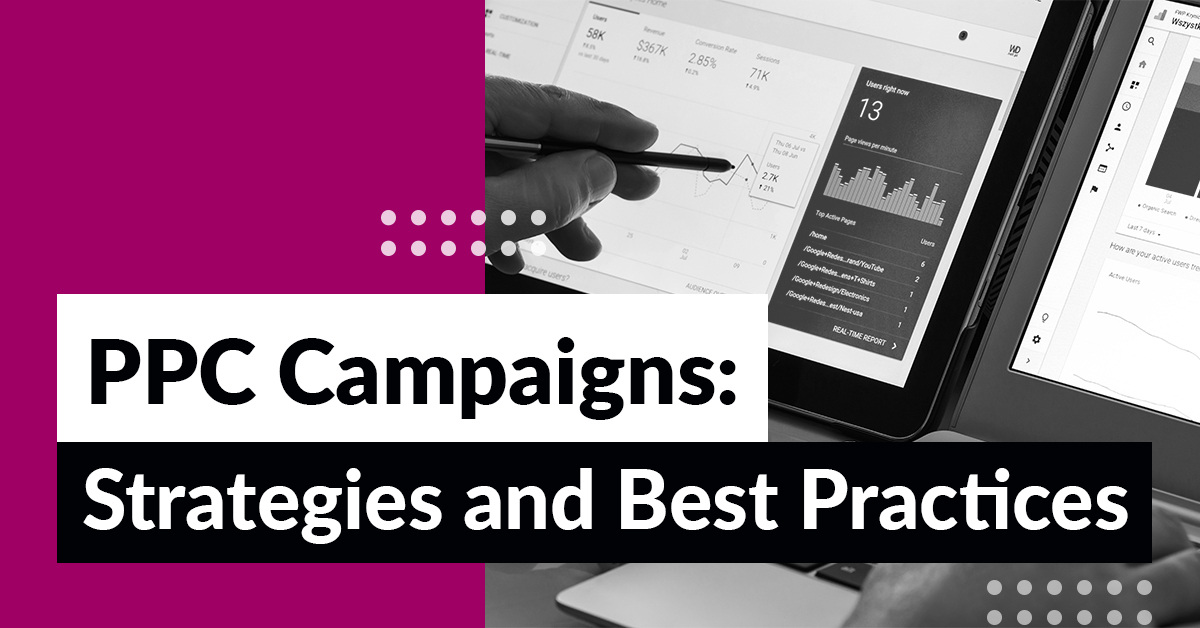
When diving into PPC advertising, setting clear, measurable goals is crucial. Goals act as the roadmap that guides every campaign and keeps your efforts focused. Without them, it’s easy to lose sight of what truly matters.
Types of Goals to Consider
Here are a few common goals that can help shape your PPC strategy:
- Increase Website Traffic : Aimed at driving more visitors to your site, perfect for brand awareness.
- Generate Leads : Ideal for businesses that thrive on inquiries or sign-ups, this goal focuses on capturing potential customers.
- Boost Sales : The most straightforward goal, driving directly towards conversions.
- Enhance Brand Awareness : For new or less-known brands, getting in front of the right audience is key.
Each of these goals has unique metrics associated with them, so it’s important to tailor your PPC strategies accordingly.
Setting these targets not only streamlines your advertising efforts but allows you to measure success accurately and make adjustments when necessary. A well-defined goal can transform an ambiguous ad campaign into a beacon of clarity, directing your resources effectively.

Target Audience and Keyword Research
A well-executed PPC campaign hinges on two critical elements: identifying the right audience and utilizing effective keywords. These components work hand in hand to ensure your ads reach those most likely to engage with your brand.
Identifying the Right Audience
Understanding your target audience is like finding the perfect pair of shoes; it makes all the difference in comfort and effectiveness. Consider demographics, interests, and online behavior when pinpointing your audience.
For example, a local fitness studio should consider factors like:
- Age group (e.g., 25-40 years)
- Fitness interests (e.g., yoga, weightlifting)
- Location within the community
Utilizing tools such as Google Analytics can help paint a clearer picture of who your current audience is, enabling targeted strategies that resonate.
Utilizing Effective Keywords
Once the audience is identified, effective keyword research becomes paramount. Keywords are the bridge connecting potential customers to your ads.
To maximize impact, consider:
- Relevance : Use keywords closely related to your products or services.
- Long-tail Keywords : These are often less competitive and can lead to higher conversion rates. For example, instead of “shoes,” try “eco-friendly running shoes.”
- Negative Keywords : Exclude irrelevant terms to avoid wasted ad spend.
By aligning your keywords with your audience, you not only enhance visibility but also increase the likelihood of conversions. This synergy sets a strong foundation for your PPC success.
Creating Compelling Ad Copies
Crafting effective ad copies is essential for capturing the attention of your target audience. In the crowded digital landscape, your ad needs to stand out, and solid copywriting is the key.
Writing Engaging Ad Texts
Writing engaging ad texts begins with understanding what appeals to your audience. Use language that resonates with their needs and desires. For instance, if you’re advertising a luxury spa treatment, emphasize relaxation and exclusivity. Here are some tips:
- Be Clear and Concise : Avoid jargon; get to the point quickly.
- Use Emotion : Infuse feelings into your copy. Phrases like “indulge in bliss” paint a vivid picture.
- Highlight Benefits : Instead of saying “we offer great service,” state how you’ll make their life easier or more enjoyable.
Implementing Call-to-Actions
A compelling ad copy is incomplete without a strong call-to-action (CTA). A well-placed CTA directs users on what to do next.
Consider these tips for effective CTAs:
- Be Direct : Use action-oriented phrases like “Get Started” or “Shop Now.”
- Create Urgency : Phrases such as “Limited Time Offer” encourage immediate action.
- Tailor CTAs : Customize your CTAs based on the ad’s focus. For instance, use “Sign Up for a Free Trial” for service-based ads.
By combining engaging texts with effective CTAs, you not only attract attention but also motivate users to take the desired action, thereby driving conversions.

Optimizing Landing Pages for Conversions
Creating compelling ad copies is just the beginning; your landing page plays a critical role in turning clicks into conversions. An optimized landing page guides visitors towards taking action, whether it’s making a purchase or signing up for a newsletter.
Key Elements of an Effective Landing Page
To enhance the chances of conversion, consider the following key elements when optimizing your landing page:
- Consistency : Ensure the landing page aligns with the ad’s messaging. If your ad promises a discount, the landing page should prominently display that offer.
- Clear Headline : Capture attention with a strong headline. This sets the tone and helps visitors quickly understand what you’re offering.
- Concise Content : Avoid overwhelming visitors with too much information. Highlight benefits and use bullet points for easy readability.
Visual Appeal and Trust Signals
Incorporating visual elements and trust signals also helps:
- Add high-quality images or videos relevant to your offer.
- Include testimonials or reviews to build credibility.
- Use clear and persuasive CTAs that stand out on the page.
By fine-tuning these elements, you create an inviting environment that encourages visitors to convert, ultimately maximizing the effectiveness of your PPC campaigns.
Monitoring and Analyzing Campaign Performance
Once your PPC campaign is up and running, monitoring and analyzing its performance is crucial for continual improvement. This step turns data into actionable insights, helping you refine your strategies.
Tracking Clicks and Conversions
Tracking clicks and conversions is the first step in understanding how your campaign is performing. By using tools like Google Analytics or the platform’s built-in analytics, you can gather vital information, such as:
- The number of clicks your ads receive
- Conversion rates for each campaign
- The cost per acquisition (CPA)
For example, if a particular ad is generating high clicks but low conversions, it’s a signal that your landing page might need tweaking.
Making Data-Driven Decisions
Once you have this data, the real magic happens: making informed, data-driven decisions. This can include:
- Adjusting bids on high-performing keywords
- Pausing underperforming ads
- Testing new ad copies or formats
Through consistent analysis, you’ll discover patterns that inform your future campaigns, ultimately leading to better ROI. Regularly revisiting your performance data ensures that your PPC efforts remain effective and aligned with your business goals.
A/B Testing and Continuous Improvement
Following the initial analysis of your PPC campaigns, the next logical step is A/B testing. This method enables you to compare two versions of an ad or landing page to see which one performs better. It’s a hands-on approach to optimization, allowing you to leverage real user data.
The A/B Testing Process
To effectively conduct A/B testing, follow these key steps:
- Identify Variables : Decide what element you want to test. This could range from ad headlines and images to call-to-action buttons.
- Create Two Versions : Develop Version A and Version B, ensuring that only one element differs between them.
- Run the Test : Use your PPC platform’s tools to deliver both versions to similar audiences simultaneously.
Continuous Improvement
Once the testing phase is complete, analyze the results. Ask questions like:
- Which version had a better click-through rate?
- Which led to more conversions?
Use these insights to make data-backed adjustments, establishing a cycle of continuous improvement.
By regularly implementing A/B testing, you’ll evolve your campaigns over time, ultimately leading to better performance and higher ROI. It’s all about fine-tuning your approach based on what resonates with your audience.
Implementing Retargeting Strategies
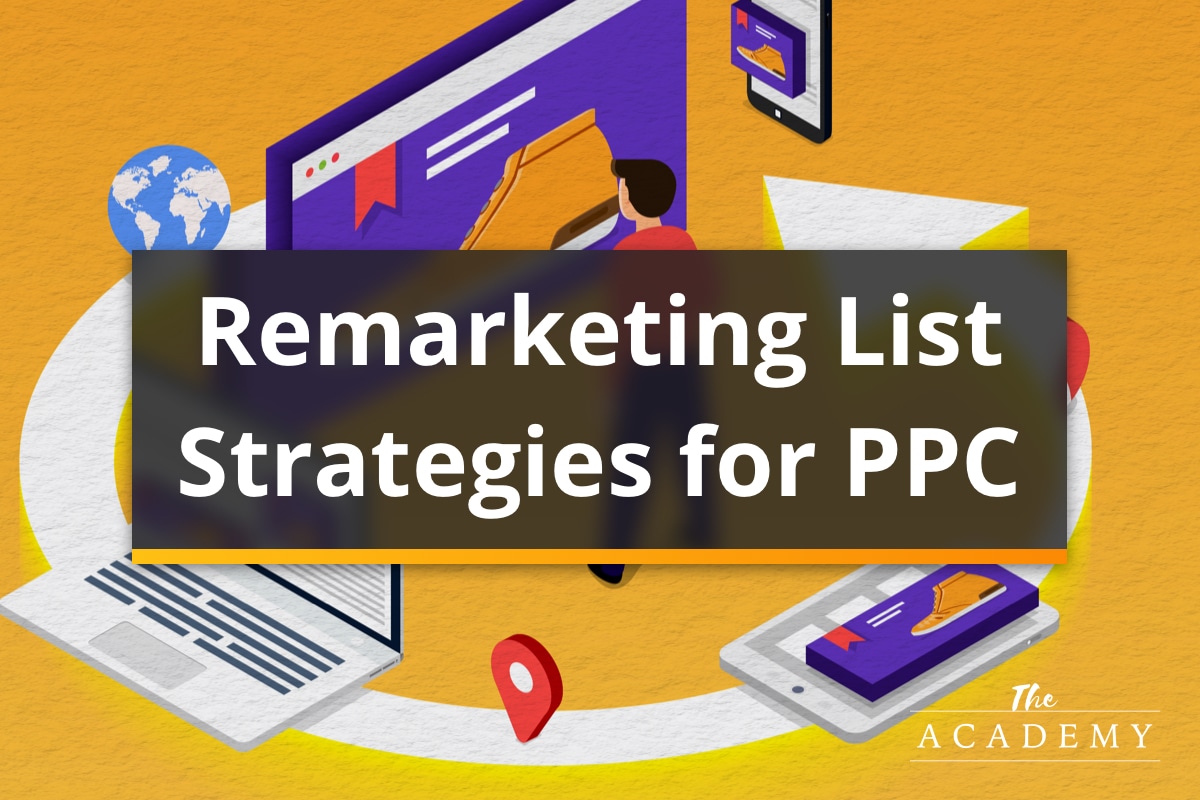
Having refined your PPC campaigns through A/B testing, it’s time to extend your efforts with retargeting strategies. Retargeting—or remarketing—allows you to re-engage users who have interacted with your brand but didn’t complete a conversion.
How Retargeting Works
Retargeting works by placing cookies on the browsers of visitors when they land on your site. This enables ads to follow them around the web, reminding them of your products or services. It’s like giving them a gentle nudge to revisit your site.
For example, let’s say a user browses your online store but leaves without purchasing. Through retargeting, they might see an ad featuring the exact items they viewed, enticing them back with a special discount, further motivating their return.
Effective Retargeting Strategies
To make the most of your retargeting efforts, consider:
- Segmenting Audiences : Differentiate between users based on their behavior. For instance, target users who viewed specific products versus those who just visited the homepage.
- Using Dynamic Ads : Display personalized ads featuring products users interacted with, making the experience more relevant.
- Setting Frequency Caps : Avoid overwhelming potential customers by limiting how often they see your ads.
Implementing these strategies not only improves brand recall but also significantly boosts conversion rates, allowing you to capitalize on previous engagement.
ROI Measurement and Reporting
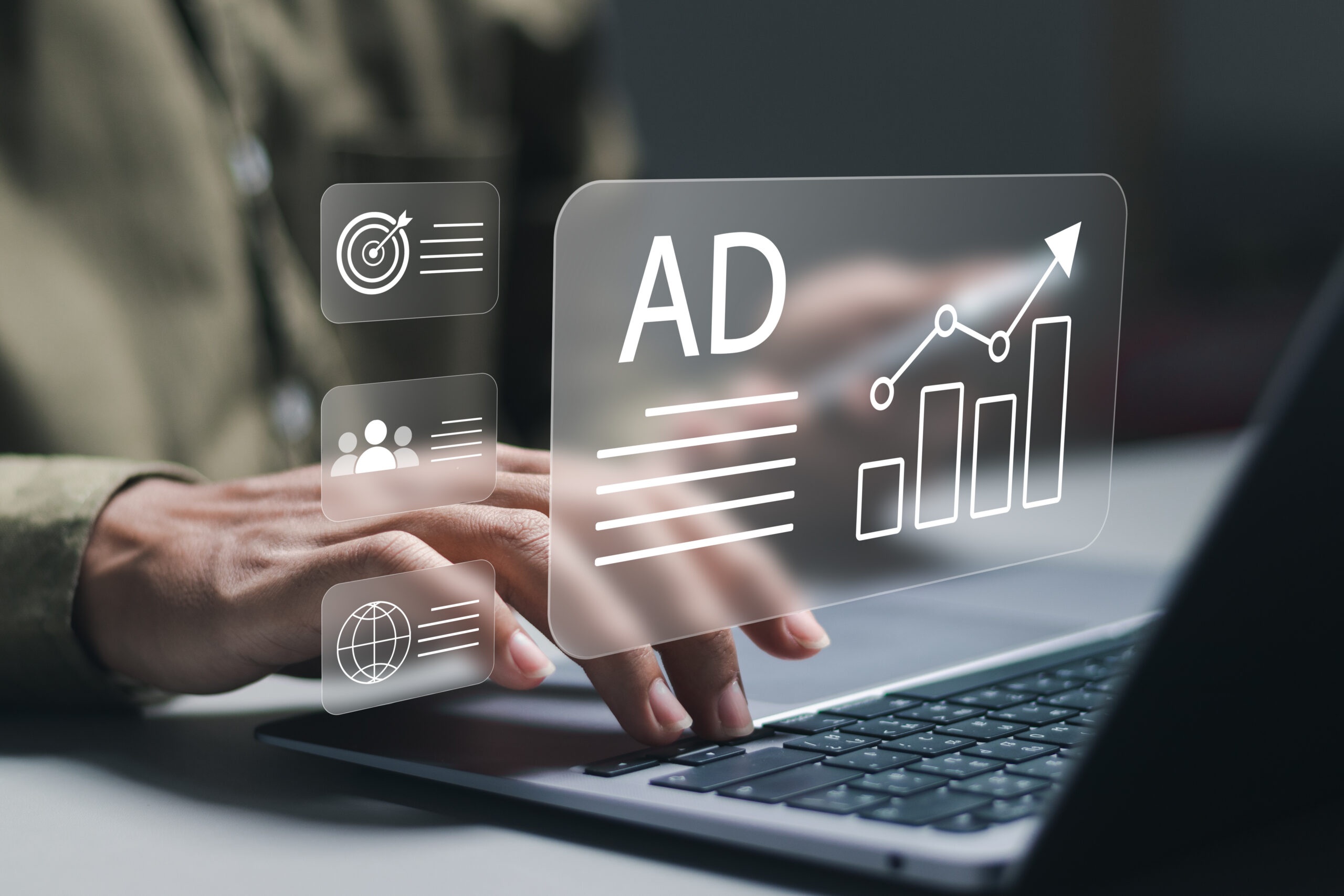
After implementing retargeting strategies and optimizing your campaigns, it’s crucial to measure and report on your return on investment (ROI). Understanding ROI helps you assess the effectiveness of your PPC efforts and justifies your marketing budget.
Understanding ROI in PPC
ROI is a simple yet powerful metric that calculates the profit generated by your PPC campaigns relative to the amount spent. The basic formula is:
[ text{ROI} = frac{text{Net Profit}}{text{Total Cost}} times 100 ]
For instance, if you invest $1,000 in a PPC campaign and earn $3,000 in sales, your ROI would be:
[ text{ROI} = frac{3000 – 1000}{1000} times 100 = 200% ]
This means you earned back three times what you spent.
Reporting Best Practices
To effectively report on your ROI:
- Use Visuals : Charts and graphs can illustrate performance trends clearly.
- Include Key Metrics : Present metrics like conversion rates, cost-per-click (CPC), and revenue generated alongside your ROI.
- Actionable Insights : Provide recommendations based on the data. For example, if a particular keyword or ad group shows a lower ROI, suggest optimizing or pausing it.
By consistently measuring and reporting ROI, you can make informed decisions that lead to continuous improvements in your PPC campaigns and overall marketing strategy.

Client Case Studies and Success Stories
Understanding ROI measurement is critical, but nothing drives home the effectiveness of PPC campaigns like real-world successes. Client case studies provide tangible evidence of how strategic PPC efforts lead to significant business outcomes.
Highlighting Success Stories
Take, for instance, a local health food store that partnered with a Hertfordshire PPC agency. Initially struggling to attract customers online, they engaged in targeted keyword research and crafted compelling ad copies. The results were impressive:
- Increase in Website Traffic : A 150% boost in monthly website visits within three months.
- Higher Conversion Rate : The store achieved a 25% increase in online orders after implementing tailored landing pages.
This success stemmed from a well-planned PPC strategy that included engaging ads and ongoing optimization.
Key Takeaways for Businesses
The highlights from such case studies demonstrate the potential of PPC marketing:
- Targeted Approach : Focus on reaching specific audience segments.
- Consistency : Regularly review and optimize campaigns based on data.
- Adaptability : Be ready to pivot strategies based on performance metrics.
Through real examples, businesses can see that with the right approach, PPC is not just an avenue for advertising, but a powerful tool for growth.
XII. Future Trends in PPC Advertising
As the digital marketing landscape evolves, staying ahead of the curve in PPC advertising becomes increasingly important. Understanding future trends ensures that businesses can adapt and thrive in an ever-changing environment.
Emerging Trends to Watch
One significant trend is the growing integration of Artificial Intelligence (AI) in PPC strategies. AI is enhancing the ability to analyze vast data sets, optimizing ad placements, and targeting audiences more effectively.
Consider the following trends that are shaping the future:
- Voice Search Optimization : With the rise of smart speakers, optimizing for voice queries can provide a competitive edge.
- Video Ads : Engaging video content is becoming crucial, especially on platforms like YouTube and social media.
- Mobile-First Advertising : As mobile usage continues to soar, optimizing ads for mobile devices is essential for reaching your audience effectively.
Adaptation and Flexibility
Additionally, as consumer behaviors shift, advertisers must remain adaptable. Regularly testing new formats and platforms will be key.
By embracing these future trends, businesses can ensure their PPC strategies remain relevant, effective, and poised for sustained growth in the competitive digital marketplace.
XIII. Conclusion
As we wrap up our exploration of PPC advertising, it’s clear that this digital marketing strategy is both dynamic and essential for businesses aiming to grow in a competitive landscape. From understanding the fundamentals to embracing future trends, each element plays a pivotal role in enhancing campaign success.
Key Takeaways
Reflecting on the journey, here are some critical takeaways:
- Continuous Optimization : Regularly monitor, analyze, and refine your campaigns based on performance data.
- Audience Targeting : The importance of identifying and understanding your audience cannot be overstated. Tailoring your approach directly impacts conversion rates.
- Stay Informed : The digital world changes rapidly. Keeping up with trends like AI and mobile-first advertising is vital for staying ahead.
By incorporating these strategies and insights into your PPC campaigns, your business can harness the full potential of online advertising. It is not just about attracting clicks but converting engagement into measurable results. As you move forward, remember: success in PPC is not a one-time effort but an ongoing journey of learning and improvement.