
Introduction
Understanding SEO Optimization
Search Engine Optimization (SEO) is more than just a buzzword in the digital marketing landscape; it’s an essential toolkit for anyone looking to amplify their online presence. Essentially, SEO refers to the techniques and strategies used to enhance a website’s visibility on search engines like Google.
Consider a recent example involving a local bakery that suddenly gained traction after implementing effective SEO strategies. They focused on optimizing their web pages for keywords like “best pastries in [town name]” and “homemade cakes near me.” As a result, they not only saw an increase in online traffic but also in foot traffic, as more customers discovered them through organic search results.
Importance of Online Visibility
In today’s digital age, online visibility is crucial for businesses of all sizes. Just imagine a brick-and-mortar store without a sign; that’s precisely what a website without SEO optimization looks like. Here are some benefits of prioritizing online visibility:
- Builds Trust and Credibility: Websites that appear on the first page of search results are often viewed as more trustworthy.
- Enhances Brand Awareness: Higher visibility leads to greater recognition, making it easier for potential customers to learn about and remember your brand.
- Cost-effective Marketing: SEO often yields a more significant return on investment compared to other forms of advertising.
In summary, understanding SEO optimization and recognizing the importance of online visibility can propel a business toward success in the ever-competitive digital marketplace.
The Fundamentals of SEO
Keyword Research
Diving deeper into SEO, one cannot overlook the significance of keyword research. This is the foundation of any successful SEO strategy. Think of keywords as the bridge connecting your website and searchers. Properly identifying the right keywords means understanding what your potential customers are searching for.
A classic example is an online fitness shop that used tools like Google Keyword Planner to identify popular queries such as “home workout equipment” and “best yoga mats.” By strategically incorporating these keywords into their content, they could significantly boost their visibility.
On-Page SEO
Once you have pinpointed your keywords, the next step is to focus on on-page SEO. This refers to optimizing elements within your own website. Here are some essential on-page SEO practices:
- Title Tags: Include primary keywords in title tags, keeping them catchy and within 60 characters.
- Meta Descriptions: Write compelling meta descriptions that entice users to click, ideally including relevant keywords.
- Content Structure: Use headings (H1, H2, H3) to organize content and enhance readability.
Imagine a blog about healthy recipes that uses clear headings and includes keyword-rich content. This approach not only improves user experience but also signals to search engines what the page is about.
Off-Page SEO
While on-page SEO focuses on the content of your website, off-page SEO concentrates on external signals that impact your site’s credibility. This often includes:
- Backlinks: High-quality backlinks from reputable sites enhance your site’s authority.
- Social Media Engagement: Active participation on platforms like Instagram and Facebook can drive traffic back to your website.
- Guest Posts: Contributing to other blogs can improve visibility and brand awareness.
By balancing these three elements—keyword research, on-page SEO, and off-page SEO—businesses can significantly enhance their online presence and attract more organic traffic. It’s an ongoing effort, but the rewards can be substantial!
Technical SEO Optimization
Website Structure
Transitioning from the fundamentals, technical SEO optimization focuses on the back-end elements that ensure search engines can effectively crawl and index your site. A key aspect of this is having a well-organized website structure.
Imagine navigating a sprawling shopping mall without clear signage. Frustrating, right? Similarly, a disorganized website can deter users. Here are some strategies to enhance your website structure:
- Clear Navigation: Use a logical hierarchy with clear categories and subcategories. This makes it easier for both users and search engines.
- XML Sitemap: Create and submit an XML sitemap to help search engines index your pages more efficiently.
- URL Structure: Keep URLs simple and descriptive. A URL like “example.com/hiking-gear” is more user-friendly than “example.com/page?id=123.”
Mobile Optimization
With mobile devices accounting for a significant portion of web traffic, mobile optimization is no longer optional. A responsive design ensures your site looks great on all screen sizes. For instance, a local restaurant discovered that after optimizing their website for mobile, online reservations increased by 40%. Here’s what to consider:
- Responsive Design: Make sure your website adjusts seamlessly between desktop and mobile.
- Touch-Friendly Elements: Buttons and links should be easy to tap on smaller screens.
- Mobile-Friendly Content: Use larger fonts and shorter paragraphs for easier reading on mobile devices.
Page Speed Improvement
Finally, page speed is critical in today’s fast-paced web environment. Users expect quick loading times, and so do search engines. Research shows that a delay of just one second can lead to a 7% reduction in conversions. Here are some effective ways to improve page speed:
- Image Optimization: Compress images without sacrificing quality for faster loading.
- Minimize HTTP Requests: Reduce the number of elements on your page to boost speed.
- Leverage Browser Caching: This allows returning visitors to load your site faster by storing some data locally.
In summary, mastering technical SEO optimization—through proper website structure, mobile readiness, and improved page speed—can significantly enhance your site’s performance and user experience. These elements work cohesively to not only attract visitors but also encourage them to stay and explore.
Content Creation for SEO
Creating Quality Content
Building upon the technical aspects of SEO, content creation emerges as a driving force behind attracting and retaining visitors. Quality content is not only about providing information; it’s about delivering valuable insights that engage your audience.
Take, for example, a travel blog that shares personal experiences, insider tips, and stunning photography. Readers are drawn to the authenticity and detail, making them more likely to share the blog and return for more. Here are some hallmarks of quality content:
- Relevancy: Address the questions and needs of your target audience.
- Engagement: Use storytelling techniques, images, and videos to create an immersive experience.
- Clarity: Write in a clear, concise manner—complex ideas should be broken down into digestible points.
Content Optimization
Once you have created quality content, the next step is content optimization. This means refining your content to ensure it ranks well in search engine results. Key optimization practices include:
- Keyword Integration: Naturally incorporate primary and secondary keywords relevant to your content.
- Header Tags: Use H1, H2, and H3 tags effectively to structure your content.
- Meta Tags: Optimize your title and meta descriptions to entice clicks while accurately representing the content.
For instance, a blog post titled “Top 10 Eco-Friendly Products for Home” can benefit from strategic keyword placement throughout the article.
Importance of Fresh Content
Last but not least, the importance of fresh content cannot be underestimated. Regularly updating your site with new articles, blog posts, or resources keeps your audience engaged and signals to search engines that your site is active. This can be as simple as a monthly blog on current trends or seasonal goods.
- Encourages Return Visits: Readers appreciate fresh perspectives and new information.
- Boosts SEO Ranking: Search engines favor sites that frequently update their content.
- Enhances Authority: Regularly providing valuable information helps establish your brand as a thought leader in your niche.
In summary, successful content creation for SEO revolves around producing quality content, optimizing it for search engines, and maintaining freshness. These strategies create a dynamic and engaging online presence that resonates with users and search engines alike.
Local SEO Strategies
Google My Business Optimization
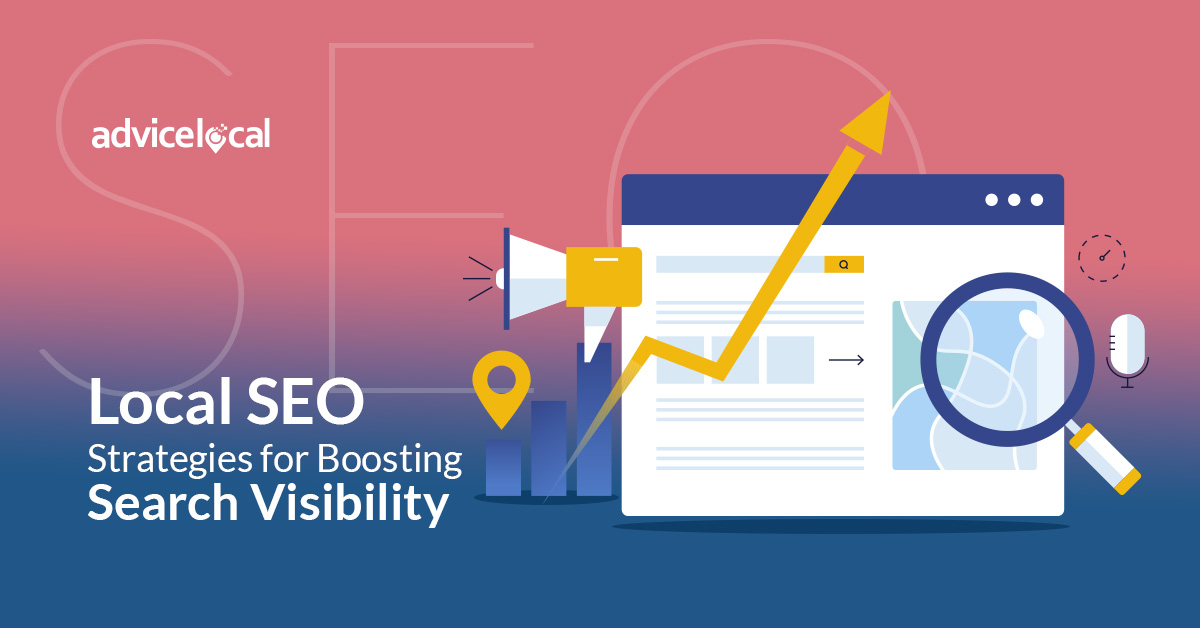
Continuing from the importance of content creation, local SEO strategies play a vital role in enhancing visibility for businesses that rely on local customers. A primary tool in this strategy is optimizing your Google My Business (GMB) listing. This free tool allows you to manage how your business appears on Google Search and Google Maps.
For instance, a local coffee shop that properly set up their GMB profile was able to dramatically increase foot traffic. Here are key components to focus on:
- Accurate Information: Ensure your business name, address, phone number (NAP), and hours of operation are correct.
- High-Quality Images: Upload appealing photos of your location, products, and staff to attract potential customers.
- Customer Reviews: Encourage satisfied customers to leave positive reviews, as they can increase your local search ranking and build trust.
Local Citations
Local citations refer to mentions of your business information across the web. These may appear on various local business directories, social media platforms, or websites. Each citation reinforces your credibility and helps improve your local SEO. A restaurant that consistently lists its NAP in various directories often sees an uptick in local searches. Focus on:
- Consistency: Keep your business information uniform across all platforms.
- High-Quality Directories: List your business on reputable directories like Yelp, Yellow Pages, and TripAdvisor.
Local Keyword Targeting
Lastly, local keyword targeting involves using specific keywords that signify your geographic location. By including terms like “[service] in [city]” or “[product] near me” in your website content, you can attract a more focused audience.
- Research Local Keywords: Tools like Google Keyword Planner can help you identify commonly searched phrases in your area.
- Incorporate into Content: Use these keywords strategically in your website content, blog posts, and social media updates.
In essence, local SEO strategies—including optimizing Google My Business, securing local citations, and targeting local keywords—are essential for businesses that seek to thrive in their local communities. By implementing these techniques, businesses can enhance their online presence and drive foot traffic effectively.
Link Building for SEO
Importance of Backlinks
Building on the foundation of local SEO strategies, link building is a crucial component for improving your site’s authority and search engine visibility. Backlinks, which are links from other websites pointing to yours, are viewed by search engines as votes of confidence. The more quality backlinks you have, the more credible your website appears.
For example, a small online store that partnered with a few local bloggers saw a significant increase in organic traffic after receiving backlinks from their sites. To understand the importance of backlinks, consider these points:
- Higher Search Rankings: Quality backlinks can improve your position on search engine results pages (SERPs).
- Referral Traffic: Backlinks can drive direct traffic to your site from users who trust the originating source.
- Brand Authority: Being linked by reputable sites enhances your credibility and can attract more potential customers.
Guest Blogging
One effective way to earn backlinks is through guest blogging. This involves writing content for other blogs in your niche. In doing so, you can include a link back to your website, which not only provides visibility but also establishes your authority.
For instance, a travel agency that contributed travel tips to a popular travel blog gained new followers and backlinks, expanding their reach significantly. When pursuing guest blogging, remember to:
- Research Target Blogs: Look for reputable blogs with a good audience.
- Create High-Quality Content: Ensure your guest post is informative and aligns with the host’s audience.
Internal Linking
In addition to external backlinks, internal linking is another invaluable practice. Internal links connect different pages within your own website, helping users navigate more easily while distributing page authority across your site.
- Enhances User Experience: By guiding visitors to related content, you keep them on your site longer.
- Improves SEO: Internal links help search engines understand the structure of your site and index your pages more efficiently.
- Highlights Important Pages: Use internal links to direct traffic to key content or services you want to promote.
In summary, link building for SEO requires a multifaceted approach that focuses on acquiring quality backlinks, leveraging guest blogging opportunities, and implementing effective internal linking. These strategies can help boost authority, improve rankings, and enhance user experience, positioning your site for long-term success.

Measuring SEO Success
Setting Up Google Analytics
Transitioning from link building strategies, measuring SEO success is essential to ensure that your efforts are yielding the desired results. A pivotal tool for tracking website performance is Google Analytics. Setting it up is straightforward and an absolute must for any serious website owner.
For instance, a digital marketing agency benefitted immensely after implementing Google Analytics. They could observe traffic patterns and user behavior, allowing for informed decisions. Here’s how to get started:
- Create an Account: Sign up at Google Analytics and set up your property.
- Install the Tracking Code: Add the provided script to your website’s HTML.
- Configure Goals: Set up goals to track specific actions, like form submissions or purchases.
Key SEO Metrics to Track
Once Google Analytics is up and running, it’s crucial to know which metrics to monitor for meaningful insights. Key SEO metrics include:
- Organic Traffic: This shows how many visitors are coming from search engines.
- Bounce Rate: A high bounce rate may indicate that users aren’t finding what they’re looking for.
- Conversion Rate: Measure how effectively your website turns visitors into customers or leads.
- Average Session Duration: This reflects how engaged users are with your content.
Tracking these metrics allows businesses to readjust their SEO strategies based on real-time data.
Adjusting Strategies Based on Data
Finally, measuring SEO success is only half the battle; the real magic happens when you use the data to adjust your strategies. If a particular blog post attracts traffic but has a high bounce rate, it might need more engaging content or clearer calls-to-action.
For example, after analyzing their conversion rates, a local business discovered that customers were more likely to engage on mobile devices. Consequently, they revamped their mobile site, leading to a marked improvement in user interaction.
- Regular Review: Establish a habit of reviewing your analytics monthly.
- Test and Adapt: If certain keywords or content types aren’t performing, don’t hesitate to pivot.
- Stay Updated: SEO trends continuously evolve, so make sure to stay informed about the latest best practices.
In summary, by effectively setting up Google Analytics, tracking key metrics, and adjusting strategies based on data, businesses can significantly enhance their SEO performance, ensuring sustained success in the competitive online landscape.
Advanced SEO Techniques
Schema Markup
Building on the foundation of measuring SEO success, it’s time to explore advanced SEO techniques that can set your website apart in a crowded digital landscape. One powerful tool is schema markup, a form of microdata that helps search engines understand your content better. By using schema, you can provide rich snippets that enhance your visibility and click-through rates.
For instance, a local restaurant added schema markup to highlight key information like their menu, operating hours, and customer reviews. As a result, their search results became more informative, leading to an increase in reservations. Here are some key benefits of schema markup:
- Enhances Visibility: Helps your website stand out in search results with rich snippets.
- Improves Click-Through Rates: Higher click rates often translate to increased traffic.
- Boosts Local SEO: Local businesses can highlight essential information to attract nearby customers.
Voice Search Optimization
Another emerging trend in SEO is voice search optimization. With the rise of smart speakers and voice assistants, optimizing your content for voice queries is crucial. Many users now prefer speaking over typing, which alters the way they frame their questions.
For example, a local gym noticed a spike in traffic when they optimized their FAQs for voice search, focusing on natural, conversational language. To optimize for voice search, consider:
- Long-tail Keywords: Target longer, conversational phrases that resemble how people ask questions.
- Structured Data: Use structured data to provide clear answers that voice assistants prioritize.
- Mobile Friendliness: Ensure your site is mobile-friendly, as most voice searches are conducted on smartphones.
Featured Snippets Optimization
Lastly, aiming for featured snippets can significantly elevate your SEO game. Featured snippets are concise answers displayed at the top of Google’s search results, and capturing one can lead to increased visibility and traffic.
To optimize for featured snippets, consider these strategies:
- Answer Questions Clearly: Format your content as a direct answer to common questions.
- Use Lists and Tables: Break down complex information into digestible lists or tables.
- Leverage Headings: Use heading tags effectively to signal to Google which parts of your content provide answers.
In conclusion, employing advanced SEO techniques such as schema markup, voice search optimization, and featured snippets optimization can give your website a competitive edge. By integrating these strategies into your overall SEO plan, you can enhance your online presence, drive more traffic, and ultimately achieve your business goals.

Conclusion
Recap of SEO Optimization Strategies
As we wrap up our exploration of effective SEO strategies, it’s essential to reflect on the key techniques that can transform your online presence. From optimizing your website structure and content creation to building quality backlinks and effectively measuring SEO success, each element plays a critical role.
Here’s a quick recap of the primary strategies:
- Keyword Research: Understand what your target audience is searching for.
- On-Page and Off-Page SEO: Optimize your website content and enhance external links.
- Technical SEO: Ensure a well-structured, mobile-friendly site with fast loading times.
- Content Creation: Focus on creating high-quality, engaging content that answers users’ queries.
- Local SEO: Target local customers with specific strategies like Google My Business optimization.
By combining these methods, you can create a comprehensive SEO strategy that drives traffic and boosts conversions.
Final Tips for Boosting Online Visibility
Now that you have a strong foundation, here are some final tips to further amplify your online visibility:
- Stay Updated: SEO is ever-evolving, so remain informed about the latest trends and algorithm changes.
- Engage on Social Media: Promote your content across platforms to increase reach and drive traffic to your site.
- Analyze and Adapt: Continually track your results, learning from what works and adjusting what doesn’t.
- Build Relationships: Networking with other businesses and bloggers can lead to valuable backlinks and collaborations.
By actively implementing and refining these strategies, you’ll not only enhance your website’s visibility but also foster long-term growth and success in the digital landscape. Remember, SEO is a marathon, not a sprint—consistency and dedication are key!