
Introduction
What is Content-First Marketing?
Content-First Marketing is a strategic approach that prioritizes the creation and dissemination of valuable, relevant content tailored to the needs of the target audience. It moves beyond traditional marketing techniques, which often focus primarily on selling products or services. Instead, this philosophy emphasizes generating engagement and fostering relationships through quality content that informs, entertains, and adds value.
For instance, consider a fitness brand that regularly publishes workout tips, nutrition advice, and success stories from its community. By consistently offering helpful information, the brand positions itself not just as a vendor, but as a trusted resource for fitness enthusiasts. This creates an organic bond between the brand and its customers, paving the way for loyalty and continued engagement.
Importance of Building Customer Relationships
In today’s competitive landscape, building strong customer relationships is pivotal for long-term success. Here are a few key reasons why:
- Trust and Loyalty : Establishing trust through transparency and valuable interactions encourages customer loyalty. When customers feel connected to a brand, they are more likely to make repeat purchases.
- Word-of-Mouth Marketing : Satisfied customers become brand advocates. They share their positive experiences, helping to attract new customers through recommendations.
- Understanding Customer Needs : Engaging with customers fosters a dialogue that helps brands understand their audience better. This insight allows for more tailored products and services.
By investing in content-first marketing and nurturing customer relationships, businesses cultivate an environment where customers feel valued and understood, ultimately driving growth and success.
Understanding Your Audience
Defining Your Target Audience
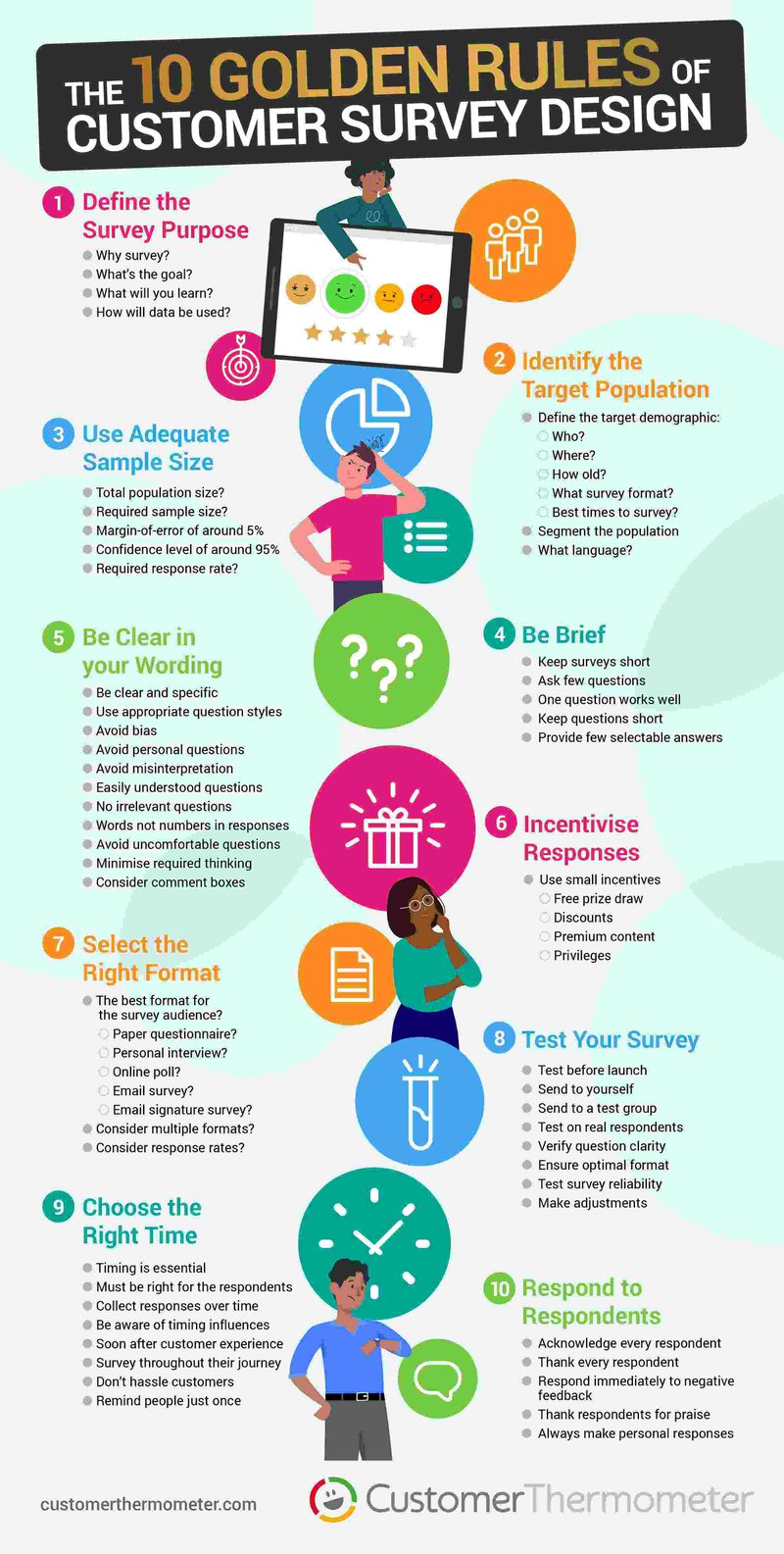
To succeed in content-first marketing, it’s essential to clearly define your target audience. Understanding who your customers are enables businesses to create content that resonates and addresses their specific needs. Think of your audience as a diverse group with varying preferences, behaviors, and demographics.
Here are a few steps to effectively define your target audience:
- Demographics : Consider age, gender, income, education, and location. For example, a luxury skincare line might target affluent women aged 30-50 living in urban areas.
- Psychographics : Delve into interests, values, and lifestyles. Understanding these aspects helps tailor content that reflects your audience’s beliefs and desires.
- Behavioral Insights : Analyze how your audience interacts with your product or content. This includes purchase patterns, social media engagement, and online habits.
Creating Customer Personas
Once you’ve defined your target audience, the next step is creating customer personas. A persona is a semi-fictional representation of your ideal customer based on real data and insights. This tool helps personalize content and marketing strategies.
To build effective personas, follow these guidelines:
- Research and Data Gathering : Use surveys, social media analytics, and customer feedback to gather data.
- Identify Common Characteristics : Look for patterns in your data that highlight common traits and behaviors.
- Create Detailed Profiles : Each persona should include:
- Name and demographic details
- Goals and challenges
- Preferences and needs
For example, if you run a sustainable fashion brand, you might create a persona named “Eco-Conscious Emma,” who values sustainability, prioritizes ethical brands, and seeks transparency in sourcing materials.
By defining your target audience and developing customer personas, businesses can create focused, valuable content that genuinely resonates, driving engagement and conversions.
Creating Value-Driven Content
Identifying Customer Needs
After establishing a solid understanding of your audience, the next crucial step in content-first marketing is identifying customer needs. This process enables businesses to create content that is not only relevant but also impactful.
Consider a scenario where a software company launches a new product. They could maximize their effectiveness by asking:
- What challenges do potential customers face? Conduct need assessments to discover pain points.
- How can our product alleviate those challenges? Tailor your solutions to directly address specific customer issues.
- What existing content do customers find valuable? Analyze past interactions and customer feedback to identify what works.
For example, if the company discovers that its target audience struggles with data security, it can produce informative content on best practices for protecting data, thus establishing a connection that leads to trust.
Establishing Thought Leadership
Once customer needs are identified, it’s time to establish thought leadership in your industry. Thought leadership refers to positioning yourself as a go-to authority on relevant topics, creating credibility and trust.
Here’s how to become a thought leader:
- Provide In-Depth Research and Insights : Create white papers, case studies, and detailed articles. Share unique insights that showcase your expertise.
- Speak at Industry Events : Presenting at conferences or webinars helps elevate your profile and connects you with industry peers and potential customers.
- Engage on Social Media : Share thoughtful commentary on current trends and industry challenges. Engaging conversations can position you as an expert voice.
For instance, if you’re in the health and wellness space, consider blogging about emerging trends in holistic health or nutrition, backed by research. This not only adds value but also encourages readers to regard your brand as a trusted resource.
By identifying customer needs and establishing thought leadership, businesses can create value-driven content that resonates deeply, ultimately fostering stronger relationships and encouraging conversion.
Developing a Content Strategy
Setting SMART Goals
With a clear understanding of customer needs and a foundation of value-driven content, the next step in content-first marketing is developing a robust content strategy. One of the key components of this strategy is setting SMART goals—specific, measurable, achievable, relevant, and time-bound goals that guide your efforts.
Here’s a breakdown of what each component entails:
- Specific : Define exactly what you want to achieve. Rather than “increase website traffic,” aim for “increase website traffic by 30%.”
- Measurable : Use data to track your progress. Set up analytics to measure metrics like page views, engagement rates, or conversion rates.
- Achievable : Ensure your goals are realistic. If you currently receive 1,000 visitors a month, aiming for 10,000 in a month may not be attainable.
- Relevant : Align your goals with broader business objectives. If your business aims to increase brand awareness, create content that increases social media engagement.
- Time-Bound : Set a deadline for achieving your goals. For example, aim to increase traffic by 30% over the next three months.
By setting SMART goals, businesses create a clear roadmap for their content strategy, allowing them to focus efforts and resources effectively.
Mapping Out the Buyer’s Journey
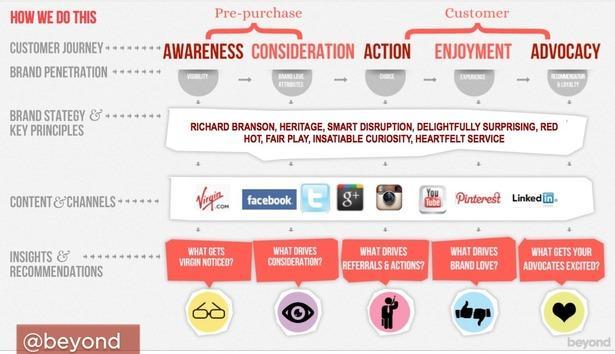
In addition to setting clear goals, mapping out the buyer’s journey is essential to tailoring content that meets your audience at every stage. The buyer’s journey typically includes three stages: awareness, consideration, and decision.
- Awareness : At this stage, potential customers identify a problem or need. Your content should focus on educating them—think blog posts, infographics, and videos that provide valuable insights.
- Consideration : Here, customers evaluate different options. Create comparison guides, case studies, and product demos to help them weigh their options and see why your solution is the best fit.
- Decision : Finally, provide supporting content that addresses any last-minute hesitations. Share testimonials, user reviews, and trial offers to persuade them to make a final decision.
For example, a financial services company might share articles on budgeting in the awareness stage, detailed comparison charts of services during consideration, and customer success stories when it’s time for customers to decide.
By setting SMART goals and mapping out the buyer’s journey, businesses can develop a content strategy that speaks directly to the needs of their audience, guiding them smoothly from awareness to conversion.
Implementing Content Distribution Tactics
Utilizing Social Media Platforms
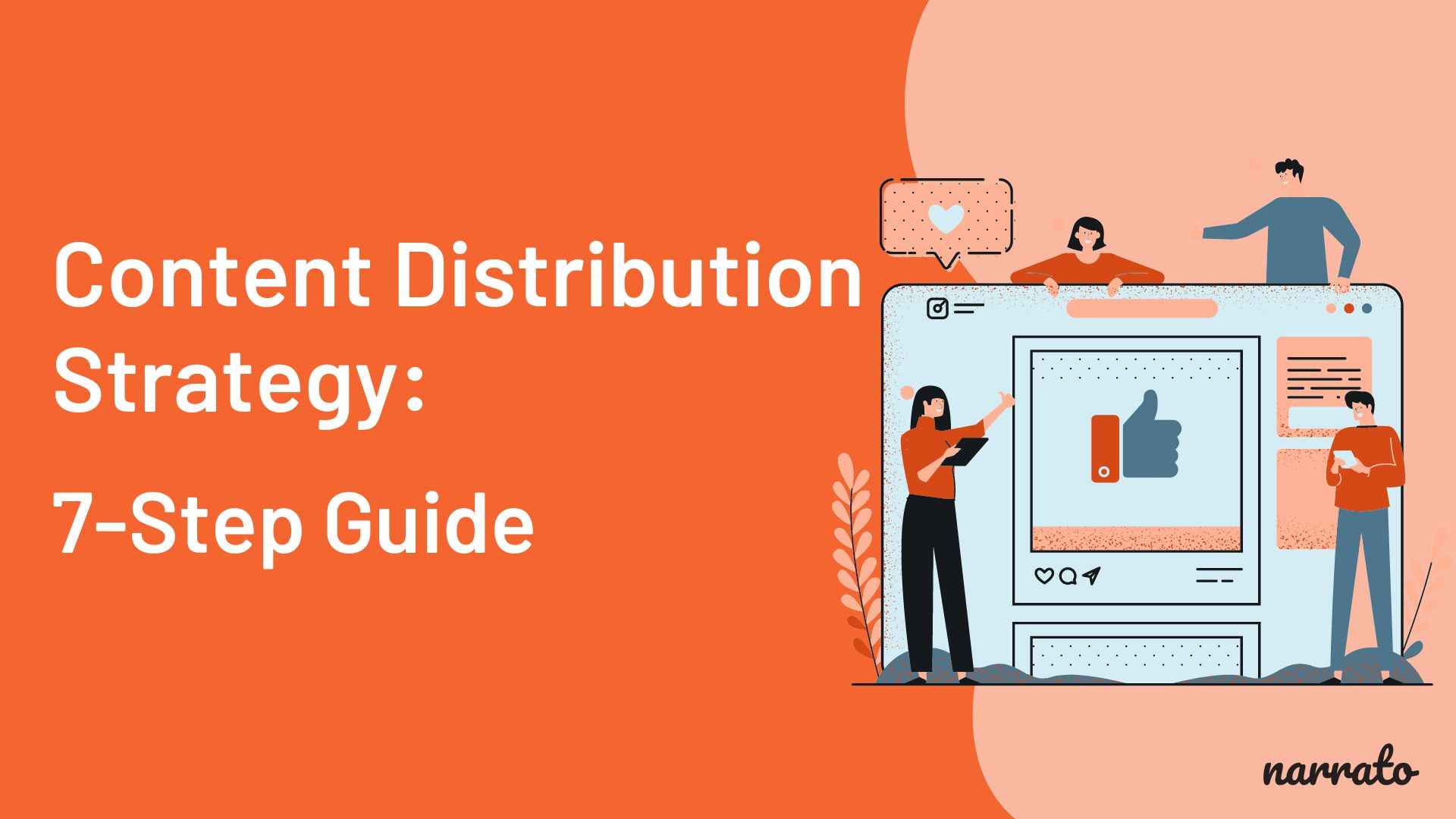
Now that your content strategy is in place, it’s time to implement effective content distribution tactics. One of the most powerful tools at your disposal is social media. Platforms like Facebook, Twitter, Instagram, and LinkedIn allow you to reach a vast audience and engage with potential customers in real time.
Here are some tips for leveraging social media effectively:
- Choose the Right Platforms : Different demographics use various platforms. For instance, LinkedIn is perfect for B2B interactions, while Instagram thrives on visual content appealing to younger audiences.
- Create Engaging Content : Share a mix of formats—videos, infographics, polls, and live streams. For example, a fashion retailer might share styling tips through short video clips to engage viewers more effectively.
- Timing is Key : Post when your audience is most active. Utilize tools like Hootsuite or Buffer to schedule posts based on your analytics.
- Interact and Engage : Respond to comments and messages promptly. This interaction fosters a sense of community and strengthens customer relationships.
Email Marketing Campaigns
While social media is essential, don’t overlook the potential of email marketing. Email campaigns can effectively nurture leads and maintain customer relationships by delivering tailored content directly to inboxes.
Here are some strategies to optimize your email marketing:
- Segment Your Audience : Group subscribers based on interests, behavior, or demographics. This allows you to send personalized content that resonates with each segment.
- Craft Compelling Subject Lines : A great subject line can significantly increase open rates. Use intriguing questions, compelling statistics, or time-sensitive offers to capture attention.
- Share Valuable Content : Aside from promotions, provide links to blog posts, downloadable resources, or relevant articles. For example, a tech company might distribute monthly newsletters with the latest industry insights and tutorials for their products.
- Analyze and Adjust : Use analytics to track open rates, click-through rates, and conversions. Tweak your approach based on what resonates best with your audience.
By utilizing social media platforms and implementing effective email marketing campaigns, businesses can maximize their reach and ensure their valuable content connects with the right audience, fostering engagement and driving conversions.
Analyzing Performance Metrics
Monitoring Engagement Levels
As you implement content distribution tactics, it’s crucial to analyze how well your content is performing. Monitoring engagement levels is the first step in understanding how your audience interacts with your content. Engagement metrics, such as likes, shares, comments, and time spent on the page, provide valuable insights into what resonates with your audience.
Here are a few ways to effectively monitor engagement levels:
- Use Analytics Tools : Google Analytics and social media insights can help track which pieces of content perform best. For instance, if a blog post receives significantly more shares than others, it’s a strong indicator of what topics your audience finds appealing.
- Engagement Rate Calculation : Calculate engagement rates for social posts. Divide the total engagement (likes, comments, shares) by the total number of followers, then multiply by 100 to get a percentage. This will help you gauge the overall interaction quality.
- Monitor Audience Feedback : Pay attention to comments and messages. They often provide direct insight into how your audience feels about your content. For example, if many readers leave requests for more informative guides, it might be a sign to expand on that topic.
Measuring ROI on Content Efforts
Once you have a grasp on engagement levels, the next step is to measure the return on investment (ROI) of your content efforts. Understanding ROI is vital in determining the success of your content marketing strategy and justifying expenses.
To measure ROI effectively, consider these steps:
- Identify Key Performance Indicators (KPIs) : Determine what metrics matter most to your business goals—this could include lead generation, conversion rates, or revenue generated from specific campaigns.
- Calculate Costs : Track all expenses related to content creation and distribution, including labor, tools, and promotional costs.
- Assess Revenue : Measure the income generated from your content efforts. This can include increased sales directly attributed to a particular campaign or overall growth in revenue following a content push.
- ROI Formula : Use the formula: [ text{ROI} = frac{text{Revenue} – text{Cost}}{text{Cost}} times 100 ]. This will give you a percentage that indicates the effectiveness of your content strategy.
By continuously monitoring engagement levels and measuring ROI, businesses can make informed decisions, optimizing their content strategies to drive better results and maximize their marketing investments.

Building Long-Term Customer Loyalty
Implementing Personalization Strategies
After analyzing performance metrics and fine-tuning your content strategy, the next focus should be on building long-term customer loyalty. Personalization strategies are a powerful way to connect with customers on a deeper level, making them feel valued and understood. When customers see tailored experiences, they are more likely to engage with your brand and stay loyal.
Here’s how to effectively implement personalization strategies:
- Utilize Data Insights : Use analytics tools to gather data about your customers’ preferences and behavior. For instance, if a customer frequently purchases eco-friendly products, tailor your email campaigns to highlight similar items or exclusive promotions on green products.
- Segment Your Audience : Divide your customer base into small, specific groups based on interests, demographics, or purchase history. By targeting these segments, you can deliver more relevant content.
- Personalized Recommendations : Consider implementing recommendation algorithms on your website. For example, an online bookstore could suggest books based on a customer’s previous purchases, creating a more engaging shopping experience.
By implementing these strategies, businesses not only foster loyalty but also encourage customers to spread the word about their experiences.
Encouraging Repeat Business
In addition to personalization, encouraging repeat business is vital for sustaining long-term customer loyalty. Here are effective tactics to motivate customers to return:
- Loyalty Programs : Establish a rewards program that incentivizes repeat purchases. For example, offer points for every dollar spent that can be redeemed for discounts or freebies.
- Exclusive Offers : Send targeted promotions to previous customers, such as special discounts for returning customers or early access to new products. This creates a sense of exclusivity that can bring customers back.
- Follow-Up Communications : After a purchase, follow up with personalized emails thanking customers for their business. Consider asking for feedback or suggesting similar products, which keeps the line of communication open.
- Engagement Beyond Purchasing : Engage with customers through social media, newsletters, or blog content that aligns with their interests, encouraging them to interact with your brand on multiple levels.
By implementing personalization strategies and encouraging repeat business, companies can cultivate strong relationships with their customers. This not only increases loyalty but also helps in transforming one-time buyers into lifelong advocates for the brand, creating a robust and sustainable customer base.
Evolving Your Content Strategy
Staying Ahead of Industry Trends
As the digital landscape evolves, it’s essential to regularly reassess and evolve your content strategy to stay relevant. One crucial aspect of this is staying ahead of industry trends. By keeping your finger on the pulse of industry changes, you can ensure your content remains timely and impactful.
Here’s how to stay ahead:
- Follow Influencers and Thought Leaders : Regularly read blogs, participate in webinars, and follow key figures in your industry on social media. For example, if you’re in the tech space, platforms like LinkedIn can be invaluable for accessing cutting-edge insights.
- Engage in Industry Forums : Join online forums or groups related to your industry, allowing for real-time discussions about upcoming trends. This engagement can spark ideas for content that addresses emerging topics.
- Utilize Trend Analysis Tools : Leverage tools like Google Trends and BuzzSumo to see what’s gaining traction in your field. By identifying popular subjects, you can tailor your content accordingly.
Adapting to Changing Consumer Preferences
In addition to staying ahead of trends, adaptability to changing consumer preferences is crucial for sustaining engagement and relevance. Understanding how your audience’s tastes evolve allows for more tailored content that resonates.
Consider the following strategies:
- Conduct Regular Surveys : Periodically ask your audience about their preferences and interests. Simple surveys can yield valuable insights into what they want more of.
- Monitor Analytics : Keep an eye on your website’s and social media’s performance metrics. If certain topics or formats (like videos versus blog posts) see higher engagement, it might be time to shift focus.
- Be Open to Feedback : Encourage customer reviews and feedback. Influence from your audience can guide you in adjusting content to meet their needs effectively.
Content First Marketing
In this fast-paced environment, embracing a content-first marketing approach is more relevant than ever. This strategy prioritizes creating high-quality, valuable content before considering the promotional aspects. By focusing on delivering what the audience genuinely wants, you foster trust and loyalty.
Adopting a content-first mindset involves continuously evolving your strategies. By staying ahead of industry trends and adapting to consumer preferences, businesses can keep their content fresh and engaging. This ongoing commitment ultimately strengthens connections with customers, driving long-term success.