

Introduction
In the ever-evolving landscape of digital marketing and search engine optimization (SEO), one element consistently holds significant importance: the balise title. A balise title, often referred to as a title tag, is a critical component of a webpage that influences both visibility and click-through rates. Understanding how to effectively utilize balise titles can make a substantial difference in a website’s performance.
Why Balise Titles Matter
To begin with, balise titles serve as the first impression a user has of a webpage. A well-crafted title not only captures attention but also provides a succinct overview of the content. When was the last time you clicked on a link simply because of its intriguing title? That’s the power of a compelling balise title!
Some key aspects of balise titles include:
- SEO Boost : A well-optimized title can improve search rankings.
- Relevancy : Titles that incorporate relevant keywords signal content value.
- User Engagement : Attractive titles entice users to click through and explore further.
As we delve deeper into the world of balise titles, it’s essential to grasp their mechanics and harness their full potential. The journey starts with understanding the significance of these titles and their pivotal role in a successful online presence.

Understanding Balise Titles
As we dig deeper into the realm of balise titles, it’s crucial to highlight their significance not just as a placeholder, but as a powerful tool in digital marketing. So, let’s explore why balise titles should command your attention.
Importance of Balise Titles
Balise titles are more than just text; they are the gateways to your content. Imagine browsing through search results—those bold, clickable links are balise titles. They convey the essence of your page and play a pivotal role in user decision-making. A striking title can significantly impact user engagement by:
- Providing clarity on the content of the page
- Helping establish a brand identity
- Encouraging higher click-through rates (CTRs)
Think about your own experiences. Have you ever clicked on a title that seemed to speak directly to your needs? That’s the magic of a compelling balise title.
How Balise Titles Affect SEO
Balise titles are also a cornerstone of SEO strategy. Search engines view these titles as key indicators of content relevancy. An effective title can improve your site’s ranking on search engine results pages (SERPs). Consider these points:
- Keyword Optimization : Including relevant keywords helps search engines understand your content.
- Ranking Factor : Search engines often prioritize pages with well-optimized titles.
- User Experience : Clear and informative titles enhance the chances of user interaction.
Ultimately, mastering balise titles means not only enhancing visibility but also fostering a meaningful connection between your content and your audience. This sets the stage for deeper exploration into crafting effective titles.

Crafting Effective Balise Titles
Now that we’ve established the importance of balise titles, it’s time to focus on the nitty-gritty of crafting them effectively. This is where the art meets the science in digital marketing. Let’s break down the two essential components of creating compelling balise titles: keyword selection and optimization.
Choosing Relevant Keywords
The foundation of a good balise title lies in choosing relevant keywords. Think of keywords as the bridges that connect users to your content. To select the right ones, consider the following strategies:
- User Intent : What questions are your potential visitors asking? Tailor your keywords to match these queries.
- Keyword Research Tools : Utilize tools like Google Keyword Planner to discover popular search terms.
- Competitor Analysis : Examine competitors’ titles to identify effective keyword usage.
For example, if you’re writing about gardening tips, using keywords like “organic gardening” or “container gardening” could enhance the relevancy of your title.
Optimizing Title Length and Structure
Next, let’s talk about title length and structure. An effective balise title strikes a balance—it’s brief yet informative. Here are some guidelines to help you optimize:
- Keep it under 60 characters : This ensures the full title displays in search results.
- Front-load important keywords : Place the most important keywords at the beginning for maximum visibility.
- Use separators : Consider using pipes (|) or dashes (-) to separate key ideas, making the title easier to read.
By choosing relevant keywords and optimizing title length and structure, you set a solid foundation for engaging balise titles that resonate with both search engines and users alike. With this knowledge in your toolkit, you’re ready to leverage balise titles for SEO success.

Leveraging Balise Titles for SEO Success
Building on the strategies we’ve discussed for crafting effective balise titles, it’s time to explore how to leverage them for SEO success. The ability to optimize these titles can significantly impact your website’s visibility and engagement levels.
Maximizing Click-Through Rates (CTRs)
One of the primary goals of a well-crafted balise title is to maximize click-through rates. When users browse search results, they often make snap judgments based on titles. To ensure your titles stand out, consider the following approaches:
- Incorporate Numbers : Titles featuring numbers (e.g., “5 Essential Tips for…” or “Top 10 Ways to…”) tend to attract attention and convey a sense of structure.
- Invoke Curiosity : Craft titles that pique interest. For instance, “Unlock the Secrets of Successful Gardening” makes potential readers want to learn more.
- Be Clear and Informative : Avoid clickbait. Being straightforward about what the content offers builds trust with your audience.
Continuous Improvement Through Testing
Experimentation is key to honing your SEO strategy. Utilizing A/B testing can help you understand which titles resonate best with your audience. Consider tracking metrics like:
- CTR : Monitor the number of clicks your title receives versus the number of impressions.
- Bounce Rate : Analyze how many visitors stay to explore your content after clicking.
- Conversion Rate : Determine how effectively the title leads to desired actions, like signing up or making a purchase.
By continuously refining your approach to balise titles, you not only enhance your SEO strategy but also create a more engaging user experience. Leveraging balise titles effectively can be the catalyst your website needs to achieve greater online visibility and success.

Balise Titles Best Practices
With a solid foundation in crafting and leveraging balise titles, we now turn our attention to best practices that can elevate your SEO game. These practices not only increase visibility but also enhance user engagement, ultimately driving more traffic to your site.
Incorporating Branding
One effective strategy is to incorporate your brand name into your balise titles. This helps establish brand recognition and can create trust among users. Here’s how to do it effectively:
- Position Your Brand Strategically : Place your brand name at the end or beginning of the title depending on whether it’s a familiar name. For example, “Gardening Tips: 5 Essentials | GardenHive” helps both enthusiasts and brand newcomers identify valuable content.
- Maintain Consistency : Use a consistent branding approach across your titles. This helps users recognize your content across search results.
By embedding branding in your titles, you’re not just participating in the conversation; you’re leading it!
Using Actionable Language
Another best practice is to utilize actionable language in your titles. Actionable words drive users to take a specific action, which can significantly boost your click-through rates. Consider the following tips:
- Start with Verbs : Use action verbs like “Explore,” “Discover,” or “Learn” to create a sense of urgency. For example, “Learn the Secrets to Organic Gardening” encourages clicks.
- Create a Sense of Urgency : Phrases like “Don’t Miss Out” or “Unlock Now” can entice users to click right away.
Implementing these best practices in your balise titles not only reinforces your brand presence but also motivates users to engage with your content. As a result, you can expect to see improved performance on your website and a more loyal audience.
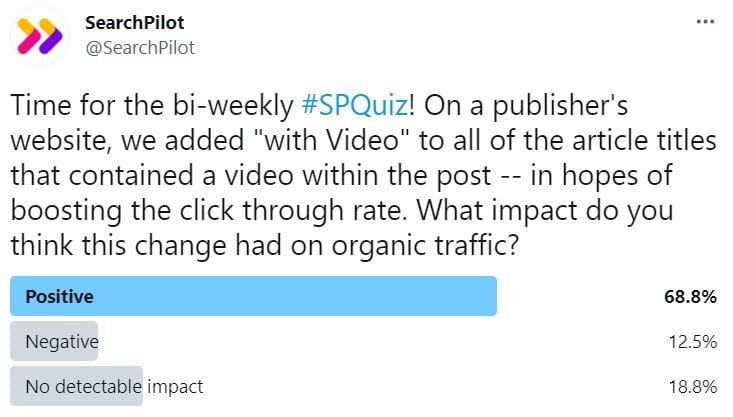
Case Studies: Successful Balise Title Strategies
Having explored best practices for balise titles, it’s insightful to delve into real-world examples that showcase successful strategies. Case studies allow us to see how effective balise titles can directly contribute to enhanced SEO performance and user engagement.
Case Study 1: The Gardening Blog
Consider a gardening blog aiming to attract more visitors. Initially, the titles were generic and failing to rank high in search results. By implementing a strategy focused on keyword optimization and actionable language, they revamped titles to include phrases like “10 Easy Tips for Thriving Indoor Plants.”
- Impact : Within three months, organic traffic increased by 40%, and the site saw a significant drop in bounce rates. The actionable language encouraged users to engage with the content.
Case Study 2: E-commerce Clothing Store
Another example is an e-commerce clothing store that struggled with conversions despite decent traffic. They started incorporating their brand name into titles, such as “Summer Dresses Sale – YourStyle Brand.”
- Impact : Not only did they see a 25% increase in click-through rates, but the enhanced brand recognition also led to a 15% increase in conversion rates. Customers felt a sense of familiarity and trust, leading to more purchases.
These case studies illustrate the tangible benefits of implementing effective balise title strategies. By focusing on actionable language and incorporating branding, businesses can significantly enhance their online presence and drive meaningful results. These successes serve as a reminder that the right titles can unlock tremendous potential in a competitive digital landscape.

Monitoring and Analyzing Balise Title Performance
Having discussed the importance and effectiveness of well-crafted balise titles, it’s crucial to understand the next step: monitoring and analyzing their performance. This process ensures that your strategies are paying off and helps identify areas for improvement.
Utilizing Analytics Tools
To effectively monitor balise title performance, leveraging analytics tools is essential. Google Analytics stands as a popular choice, providing insights into user behavior regarding your titles. Here are a few metrics to keep in mind:
- Click-Through Rate (CTR) : This metric indicates how many users clicked on your link compared to the number of impressions. A higher CTR suggests effective title positioning.
- Bounce Rate : A high bounce rate may indicate that the title attracted clicks, but the content didn’t meet expectations. This insight can signal a need for title or content optimization.
- Average Session Duration : Monitoring how long users stay on your page can reveal whether your content aligns with the title’s promise.
Iterative Improvement
Once you gather data, it’s time for iterative improvement. For example, if a title’s CTR is lower than expected, experiment with adjustments—perhaps by rephrasing the title or including a more compelling keyword.
- A/B Testing : Conduct tests by varying one element of the title to see which version performs better, offering a straightforward yet effective way to refine your approach.
By continuously monitoring and analyzing balise title performance, you can adapt your strategies in real time, ensuring that your titles remain effective in an ever-evolving digital landscape. This proactive approach not only enhances SEO but also fosters a more engaging experience for users.

Tools for Balise Title Optimization
Transitioning from the importance of monitoring title performance, let’s dive into the various tools available for optimizing balise titles. The right tools can make a substantial difference in how effectively you can craft and analyze your titles, ultimately enhancing your SEO strategy.
Keyword Research Tools
First and foremost, keyword research tools are indispensable for identifying the terms that resonate with your target audience. Some popular options include:
- Google Keyword Planner : This free tool allows you to discover keyword ideas and their average monthly search volume.
- Ubersuggest : Offers keyword insights along with difficulty scores and search volume, providing a comprehensive view.
- Ahrefs : Known for its robust features, Ahrefs helps to analyze what keywords your competitors are using successfully.
These tools can assist in determining which keywords to integrate into your balise titles for optimal relevance and searchability.
SEO Analysis Tools
Once you’ve optimized your titles, ongoing analysis is crucial. Tools like:
- SEMrush : This platform offers insights into your website’s SEO performance, allowing you to track the effectiveness of your balise titles.
- Moz Pro : Known for its user-friendly interface, Moz Pro helps you analyze page titles in the context of broader SEO metrics.
Using these tools, you can obtain valuable data on which titles perform best in terms of click-through rates and engagement levels.
Selecting and utilizing the right tools for balise title optimization not only helps streamline your process but also equips you to make informed decisions that impact your site’s search visibility. As you implement these resources, you’ll find that continuous refinement becomes an integral part of your SEO strategy, elevating your content’s reach and impact.

Balise Titles and User Experience
Now that we’ve covered the tools necessary for optimizing balise titles, it’s essential to discuss their broader impact on user experience. A well-crafted balise title not only boosts SEO but also enhances how users interact with your content.
The Connection Between Titles and User Experience
Balise titles serve as the first point of contact between potential visitors and your content. A clear, engaging title can significantly influence whether someone decides to click on your link or move on to another result. Here’s why balise titles are vital for user experience:
- Expectation Setting : A well-worded title sets clear expectations about the content. If the title promises practical tips, the content should deliver on that promise to avoid disappointing users.
- Improved Navigation : Users can quickly gauge whether a link is relevant to their search, allowing for a smoother browsing experience.
- Reduction of Bounce Rates : Engaging, informative titles encourage users to stay longer and explore more content, thereby reducing bounce rates.
Crafting for Clarity and Relevance
To provide an optimal user experience, ensure your titles are:
- Concise and Direct : Avoid jargon and overly complex phrases. Clarity trumps creativity when it comes to titles.
- Emotionally Resonant : Aim to evoke curiosity or urgency. For example, a title like “Transform Your Garden in Just 30 Days” suggests a quick, impactful result that draws users in.
By prioritizing user experience in your balise title strategy, you create a more inviting online environment that resonates with your audience. Ultimately, this approach can lead to improved engagement and a loyal readership, reinforcing the importance of thoughtful titling in your overall content strategy.

Conclusion
As we wrap up our exploration of balise titles, it’s clear that these seemingly simple elements are anything but trivial. They play a pivotal role in shaping user experience, boosting SEO efforts, and ultimately driving traffic to your site.
The Power of a Well-Crafted Title
Throughout this journey, we’ve discussed various strategies for creating effective balise titles, from keyword selection to optimization techniques. Remember, a powerful title can make all the difference in capturing user attention amidst the vastness of the internet. Consider the lessons learned, such as:
- Incorporating actionable language to motivate users to click through.
- Utilizing branding to build trust and recognition.
- Analyzing performance to refine your approach continuously.
Each of these components contributes to an overarching goal: engaging your audience while improving your website’s visibility.
Final Thoughts
Going forward, don’t underestimate the importance of your balise titles. Encourage yourself to experiment and track results, using tools and strategies discussed to enhance your title craft.
As you implement these insights, you’ll find that not only do balise titles serve as the face of your content, but they also forge a connection with your audience and lay the groundwork for lasting engagement. With these practices in mind, you’ll be well on your way to achieving SEO success and fostering a captivating online experience for your visitors.