

Introduction
In today’s digital landscape, mastering Search Engine Optimization (SEO) is crucial for any business or individual aiming to enhance their online visibility. With millions of websites vying for attention, understanding the intricacies of SEO can make all the difference in successfully reaching target audiences. Whether you are a small business owner, a blogger, or an e-commerce entrepreneur, implementing effective SEO strategies can lead to increased traffic, enhanced brand awareness, and greater conversions.
The Digital Maze
Imagine walking into a maze, with countless paths leading in different directions. This maze represents the internet, and without proper navigation tools, finding your way can become a daunting task. SEO acts as a digital navigational tool, guiding users to exactly where they need to go.
For instance, when Sarah started her organic skincare line, she struggled to appear in search results. After diving into the depths of SEO fundamentals, including keyword research and content optimization, she watched her website traffic increase by over 60% in just a few months.
Why Invest Time in SEO?
The investment in SEO pays off in several ways:
- Increased Visibility: Higher rankings in search results lead to higher click-through rates.
- Cost-Effective Marketing: Compared to paid advertising, organic search provides ongoing traffic without continual investment.
- Building Trust: Websites that appear on the first page of results are generally perceived as more trustworthy by users.
As we embark on this journey to explore the various facets of SEO, it’s essential to remain ready to adapt and evolve. SEO is an ever-changing field that requires both knowledge and creativity to navigate effectively. Let’s dive into the fundamentals of SEO next!
Understanding SEO Fundamentals
As we delve deeper into the world of SEO, it is essential to grasp the foundational elements that contribute significantly to effective search engine optimization. Two of the most critical components are keywords and on-page optimization. Let’s unpack these elements one at a time.
Importance of Keywords
Keywords are the building blocks of SEO. They represent the terms and phrases that potential visitors type into search engines when looking for information. Identifying and strategically utilizing the right keywords can drastically influence a website’s visibility.
For example, when James launched his online bakery, he learned the hard way about the importance of keywords. His initial strategy focused on generic terms like “cake” instead of specific keywords like “gluten-free chocolate cake.” After conducting keyword research and reassessing his content based on these insights, his organic search traffic doubled!
To find the right keywords, consider these tips:
- Use Keyword Research Tools: Use platforms like Google Keyword Planner or SEMrush to discover trending keywords.
- Analyze Competitors: Check what keywords competitors are ranking for and see where you can fit in.
- Focus on Long-Tail Keywords: These are specific phrases that usually yield less competition but high conversion rates.
On-Page Optimization
Once keywords are identified, the next step is on-page optimization. This process involves tweaking elements on your website to make it more appealing to search engines and users. Here are the key components to focus on:
- Title Tags: Include primary keywords in your page titles to help search engines understand the content.
- Meta Descriptions: Craft engaging and concise summaries that encourage users to click on your link.
- Header Tags: Organize your content using H1, H2, and H3 tags, embedding keywords where relevant.
By focusing on both keywords and on-page optimization, website owners can create a robust SEO strategy that sets a strong foundation for improved rankings and visibility. Let’s now move forward to explore how creating quality content enhances these SEO efforts!

Creating Quality Content
With a solid understanding of keywords and on-page optimization established, the next pivotal element in SEO is creating quality content. This is where the magic happens; well-crafted content not only attracts visitors but also keeps them engaged, encouraging them to return for more.
Types of Content
Content comes in many forms, and each type can serve different purposes and audience preferences. Here are some popular types of content that businesses and creators can leverage:
- Blog Posts: Informative articles that address specific questions or topics relevant to the audience.
- Videos: Engaging and visually stimulating content that can demonstrate products or share tutorials.
- Infographics: Visual representations of data or information that are easily digestible and shareable.
- Podcasts: An increasingly popular format for providing insights and discussions on various subjects.
- E-books: In-depth explorations of topics that can serve as valuable resources for readers.
Emma, a lifestyle blogger, found success after diversifying her content. By adding how-to videos and interactive polls alongside her written posts, she not only increased her audience engagement but also encouraged them to spend more time on her site.
Content Optimization Techniques
Creating content is just the beginning; optimizing it effectively ensures it performs well in search rankings. Here are some essential techniques to consider:
- Use Keywords Naturally: Integrate your target keywords within the content, subheadings, and images while keeping the language fluid and natural.
- Write for Your Audience: Understand their needs and interests, tailoring the content to address those aspects directly.
- Use Internal and External Links: Link to other pages on your site as well as credible external sources to enhance the content’s relevance and authority.
- Encourage Interaction: Add calls-to-action (CTAs) that prompt readers to comment, share, or engage with the content.
By focusing on creating diverse and engaging content while implementing optimization techniques, businesses can maximize their SEO efforts and ultimately build a loyal audience. Next, let’s delve into how building backlinks contributes to a successful SEO strategy!
Building Backlinks
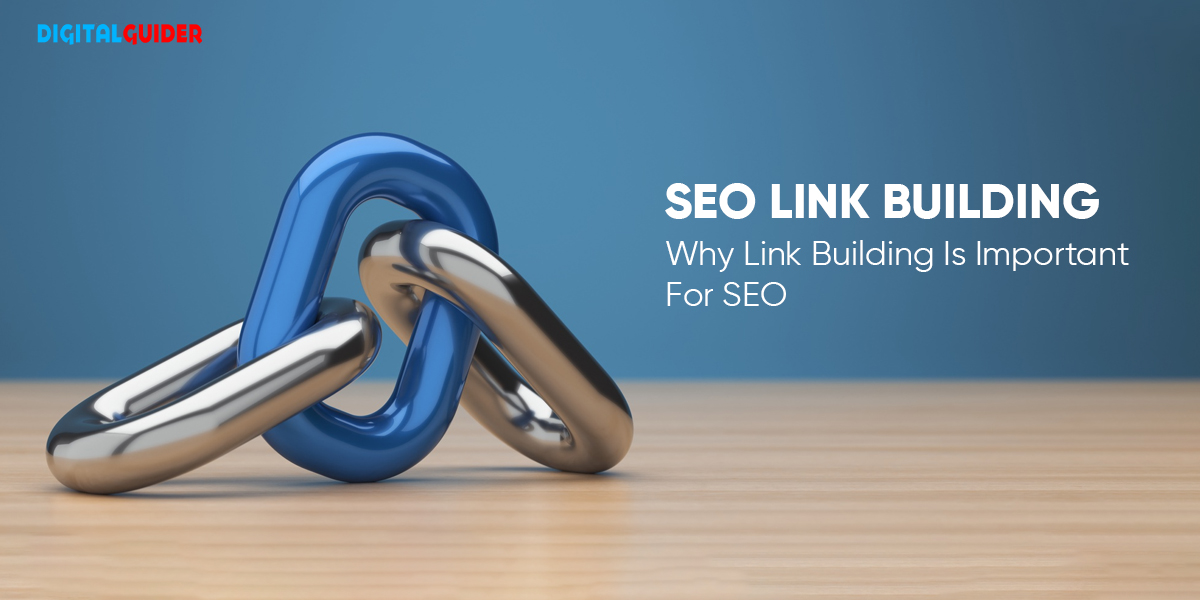
Now that you’ve sharpened your content strategy, the next critical step in your SEO journey is building backlinks. Backlinks, or inbound links from other websites to your own, are a significant factor in how search engines determine your website’s credibility and authority.
Importance of Backlinks
Backlinks act like votes of confidence for your site. When reputable websites link back to your content, it signals to search engines that your content is valuable and trustworthy. This can lead to several advantages:
- Improved SEO Rankings: Search engines reward sites with high-quality backlinks by boosting their visibility in search results.
- Referral Traffic: Backlinks can bring a steady stream of visitors from other sites that are interested in similar topics.
- Increased Authority: Building backlinks from credible sources enhances your site’s authority, establishing you as an expert in your niche.
For instance, after Mike, a tech startup owner, got featured on a popular tech blog, he noticed a significant spike in website traffic. The backlinks from that article not only improved his site’s authority but also attracted engaged visitors interested in his products.
Link Building Strategies
To harness the full potential of backlinks, it’s essential to employ effective link-building strategies:
- Guest Blogging: Write valuable articles for other blogs in your niche, including a link back to your site.
- Skyscraper Technique: Identify popular content in your industry and create an even better version. Reach out to sites linking to the original piece to notify them of your superior content.
- Collaborations and Partnerships: Partner with influencers or businesses for content co-creation that includes backlink opportunities.
- Broken Link Building: Find broken links on other sites and offer your content as a replacement. This not only helps the site owner but also works as a valuable link for you.
By focusing on these strategies, site owners can organically build a robust backlink profile that enhances their online presence and credibility. Next, we’ll explore how utilizing social media can further amplify your SEO efforts!

Utilizing Social Media for SEO
Continuing from our discussion about building backlinks, another powerful avenue for enhancing your SEO strategy is social media. While social media may not directly influence search engine rankings, it plays a crucial role in driving traffic and creating brand awareness, indirectly supporting your overall SEO goals.
The Synergy Between Social Media and SEO
Social media platforms serve as distribution channels for your content, allowing you to reach wider audiences beyond your website. When your content is shared on social media, it has the potential to generate likes, comments, and shares, all of which can contribute to increased visibility.
For example, when Lisa, a fitness coach, shared her latest blog post on Instagram and Facebook, she saw a surge in organic traffic. Her followers engaged with her content, sharing it further, leading to new visitors discovering her website.
How to Leverage Social Media for SEO
Here are some effective strategies to integrate social media into your SEO efforts:
- Consistent Posting: Regularly share valuable content across your social media platforms to keep your audience engaged and aware of your offerings.
- Utilize Hashtags: Use relevant hashtags to increase the discoverability of your posts, and reach a wider audience. This can connect your content to trending topics.
- Engage with Your Audience: Respond to comments, participate in discussions, and encourage followers to share their thoughts. Engaging content encourages further sharing and dialogues.
- Link Back to Your Content: Don’t shy away from linking your articles or blogs in your posts. This drives traffic back to your website and improves overall visibility.
- Influencer Collaborations: Partnering with influencers can amplify your reach. When they share your content, it taps into their follower base, creating more opportunities for backlinks and website visits.
By effectively utilizing social media, businesses can bolster their visibility, attract new audiences, and support their SEO efforts in significant ways. Next, we’ll explore the importance of mobile optimization and how it impacts user experience and SEO!
Mobile Optimization
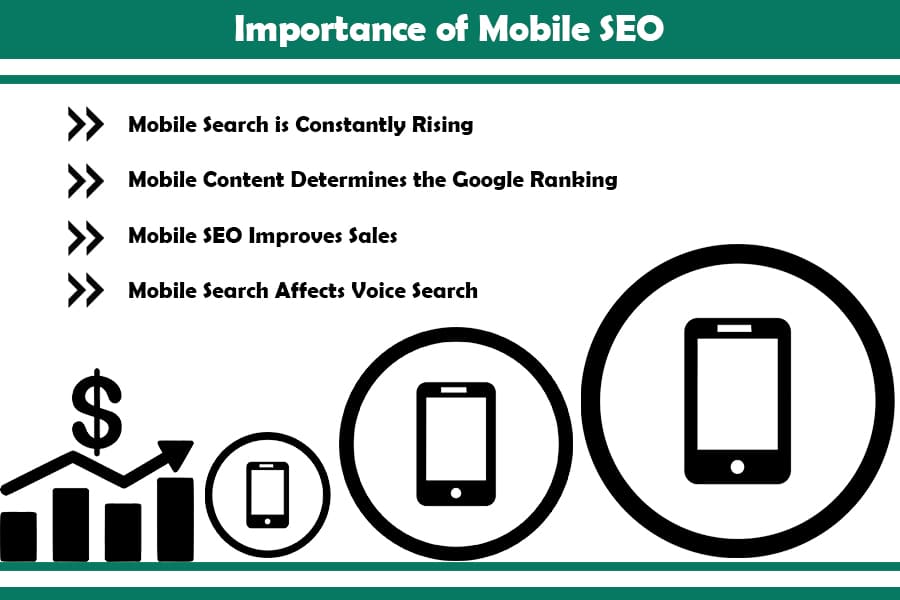
Having established the importance of utilizing social media for SEO, it’s now time to discuss another critical aspect of modern web development: mobile optimization. With an increasing number of users accessing websites via their smartphones and tablets, ensuring that your site is mobile-friendly is no longer optional—it’s essential.
The Rise of Mobile Browsing
Did you know that over half of all global web traffic comes from mobile devices? This trend has been accelerating year after year, making mobile optimization a priority for any business aiming to maintain a competitive edge. When users encounter a non-responsive site, they often leave in frustration, leading to high bounce rates and potential loss of sales.
For instance, when Mark launched his travel blog, he initially overlooked mobile optimization. Although his content was engaging, data showed that mobile users were abandoning the site due to clunky navigation and slow loading times. After revamping the site to be fully responsive, he saw an impressive 40% increase in mobile traffic.
Strategies for Effective Mobile Optimization
To ensure a seamless experience for mobile users, consider implementing the following strategies:
- Responsive Design: Use a design that automatically scales to fit various screen sizes, ensuring all content is accessible.
- Fast Loading Speeds: Optimize images and use efficient coding practices to reduce load times. Aim for under three seconds for mobile loading.
- Simplify Navigation: Create an easy-to-navigate layout with less clutter. Users should be able to find information quickly and intuitively.
- Touch-Friendly Features: Make sure buttons are appropriately sized for touch interactions, as mobile users will be clicking with their fingers, not a mouse.
- Test Across Devices: Regularly check the performance of your site on multiple devices and screen sizes to ensure a consistent user experience.
By prioritizing mobile optimization, businesses can enhance user experience, reduce bounce rates, and ultimately improve their SEO rankings. As we move forward, we’ll explore how to measure SEO success effectively!

Measuring SEO Success
Now that we’ve established how to optimize your website for mobile users, it’s crucial to discuss measuring SEO success. After all, knowing how effective your SEO efforts are allows you to make informed improvements over time.
Key Performance Indicators
Monitoring Key Performance Indicators (KPIs) gives you insight into the effectiveness of your SEO strategy. Here are several essential KPIs to consider:
- Organic Traffic: The number of visitors arriving at your site through search engine results is a primary indicator of SEO performance.
- Keyword Rankings: Tracking the positions of your targeted keywords helps assess how well your content is performing on search engines.
- Bounce Rate: A high bounce rate may indicate that visitors aren’t finding the content relevant. Aim to retain visitors by optimizing your content and user experience.
- Conversion Rate: Ultimately, the goal of SEO goes beyond traffic; it’s about conversions. Measure how well your site turns visitors into leads or customers.
- Backlinks: Analyzing the quantity and quality of backlinks can provide insight into your site’s authority and credibility as recognized by other websites.
When Nora launched her new product line online, she diligently tracked these KPIs. By analyzing her organic traffic, she identified which blog posts attracted the most customers, allowing her to craft more similar content.
Analytics Tools
To track these KPIs effectively, utilizing analytics tools is essential. Here are a few powerful tools you can leverage:
- Google Analytics: This free platform offers detailed insights into your website’s traffic, user behavior, and conversion tracking.
- Google Search Console: A fantastic resource for monitoring your site’s presence in Google search results and identifying issues that may affect rankings.
- SEMrush or Ahrefs: These paid tools provide comprehensive analyses of keyword rankings, backlinks, and competitor strategies.
- Moz Pro: Offers robust keyword tracking and site auditing features to help improve your SEO strategy.
By employing these KPIs and analytics tools, you can gain a clear picture of your SEO performance, allowing you to make data-driven decisions and continually improve your online presence. Up next, we’ll discuss the importance of staying updated with SEO trends to ensure long-term success!

Staying Updated with SEO Trends
Having established the importance of measuring SEO success through KPIs and analytics tools, it’s vital to discuss the ever-evolving landscape of SEO trends. In the digital world, what worked yesterday might not yield the same results today. Hence, staying updated with the latest trends is crucial for maintaining and enhancing your site’s performance.
The Importance of Ongoing Education
The field of SEO is dynamic, driven by changes in search engine algorithms, user behavior, and technology. As professionals in the industry, continuously educating ourselves about these changes plays a significant role in staying competitive. For example, when Google rolled out its “Core Web Vitals” update, sites that didn’t optimize for page experience saw significant drops in their rankings. Staying informed allowed many businesses to adapt their strategies in time.
Effective Ways to Keep Up with SEO Trends
Here are some practical approaches to stay ahead in the SEO game:
- Follow Industry Experts: Subscribe to blogs and newsletters from SEO authorities like Moz, Search Engine Journal, and Neil Patel, who regularly share insights and analysis.
- Attend Webinars and Conferences: Participating in SEO-focused webinars and conferences allows you to hear from experts, network, and gain fresh perspectives on SEO strategies.
- Join Online Communities: Engage in forums or social media groups like Reddit or LinkedIn where SEO professionals discuss latest trends and share knowledge.
- Experiment and Analyze: Don’t shy away from testing new strategies based on emerging trends. Analyze the outcomes to determine what works for your audience.
- Utilize Podcasts and YouTube Channels: Many professionals share valuable insights through audio or video content, providing a versatile way to consume information.
By actively keeping up with SEO trends and adapting strategies accordingly, businesses can remain relevant, improve their visibility, and cultivate a loyal audience. In the ever-changing digital landscape, it is this adaptability that will ultimately pave the way for long-term success.