
Understanding SEO
Definition of SEO
Search Engine Optimization (SEO) is the practice of enhancing a website’s visibility on search engines like Google. At its core, SEO involves optimizing various elements of a webpage so it ranks higher in search results when users enter relevant keywords. Think of it as both a science and an art—combining technical strategies with engaging content to attract organic traffic.
To illustrate, imagine you own a bakery. By optimizing your website for SEO, using keywords like “fresh pastries in [Your City]” can help you appear in local search results when potential customers seek out something sweet.
Evolution of SEO
SEO has evolved remarkably since its inception in the mid-1990s when search engines relied primarily on keywords. Over the years, search algorithms have become increasingly sophisticated, focusing not only on keyword placement but also on the overall user experience.
Key Milestones in SEO Evolution:
- Content Quality : Early SEO focused largely on keyword density, but now the emphasis lies on delivering high-quality, relevant content.
- Mobile Optimization : With the rise of smartphones, websites must be mobile-friendly to rank well.
- Voice Search : The introduction of virtual assistants has led to changes in how search queries are formed, making conversational keywords increasingly important.
A notable example is the introduction of Google’s RankBrain, which uses machine learning to better understand search intent and context. This marks a shift towards a more user-centric approach in SEO practices. Thus, understanding SEO today means staying updated on shifts in technology and user behavior.
Importance of SEO
Benefits of SEO
Understanding SEO’s importance is crucial for anyone looking to thrive online. One of the key benefits of SEO is its ability to drive organic traffic to your website. Unlike paid advertising, organic traffic comes from users actively searching for the products or services you offer, making it more valuable.
Some significant benefits include:
- Cost-Effectiveness : SEO is often more cost-effective than paid advertising in the long run.
- Credibility and Trust : High search rankings instill trust among users. When your business appears first on search results, it is perceived as more credible.
- User Experience : Good SEO practices improve overall user experience, leading to higher engagement and lower bounce rates.
Impact of SEO on Businesses
The impact of SEO on businesses cannot be overstated. A well-executed SEO strategy can drastically enhance a business’s visibility, leading to increased sales and brand recognition.
For example, a local fitness studio that invests in SEO might suddenly find itself ranked at the top of search results for “gym near me.” This visibility directly correlates to more foot traffic and sign-ups.
Moreover, businesses that engage in local SEO can connect more effectively with nearby customers. The statistics are telling:
- 66% of consumers prefer to use a local business if it appears in local search results.
- 75% of users never scroll past the first page of search results.
By optimizing for SEO, businesses can achieve sustainable growth, foster loyalty, and secure a competitive edge in their industries.
Key SEO Statistics
Global Search Engine Market Share
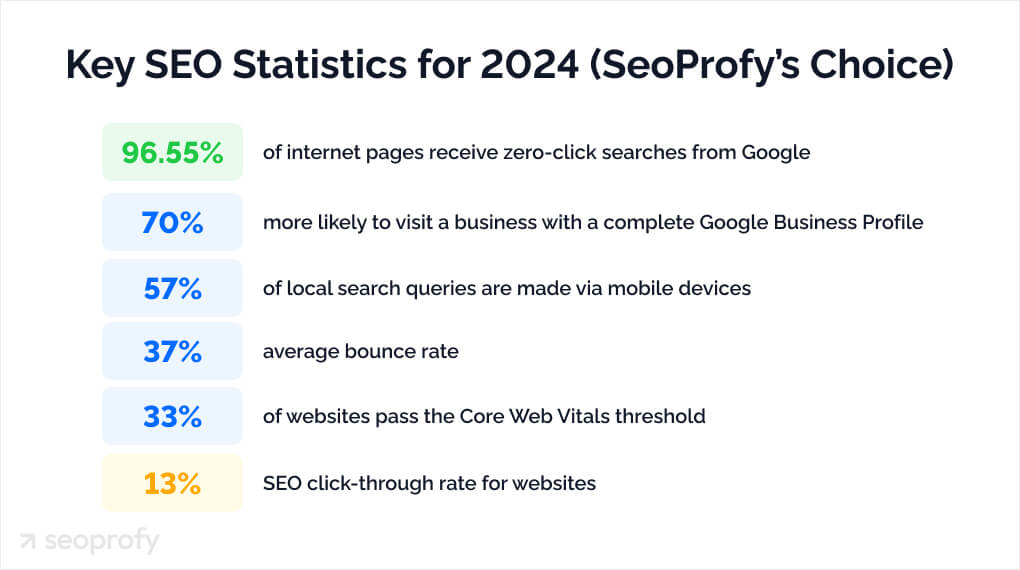
To understand the landscape of SEO, it’s essential to look at key statistics—starting with global search engine market share. Google dominates the market, accounting for over 90% of all searches worldwide. This prominence means that businesses should primarily focus their SEO efforts on optimizing for Google.
However, as an example, platforms like Bing and Yahoo still hold a small but significant share. For businesses aiming for broader visibility, considering these platforms can be advantageous, especially in niche markets.
Mobile vs. Desktop Search Trends
Another crucial statistic is the shift from desktop to mobile search. Studies show that over 60% of all searches now come from mobile devices. This trend underscores the necessity for businesses to prioritize mobile optimization.
Key Points:
- Websites that are not mobile-friendly will likely see higher bounce rates.
- Google’s mobile-first indexing means that the mobile version of your site is considered the primary version.
It’s evident that if businesses want to remain relevant, they must optimize their sites for mobile users.
Voice Search Usage
Finally, voice search is growing at a remarkable pace. Data shows that over 50% of adults use voice search daily. This statistic signals a fundamental change in how users approach searches.
Optimizing for voice search involves targeting longer, more conversational keywords. For instance, instead of typing “best coffee shop,” users might ask, “What’s the best coffee shop near me?”
This shift highlights the importance of adapting SEO strategies to include natural language and local intent. By keeping an eye on these key statistics, businesses can better position themselves in an evolving search landscape.

On-Page SEO Factors
Content Quality
Continuing from the importance of SEO statistics, let’s dive into critical on-page SEO factors that can truly make or break your site’s visibility. One of the most significant elements is content quality. High-quality, engaging content not only attracts visitors but also establishes your authority in your field.
To ensure content quality:
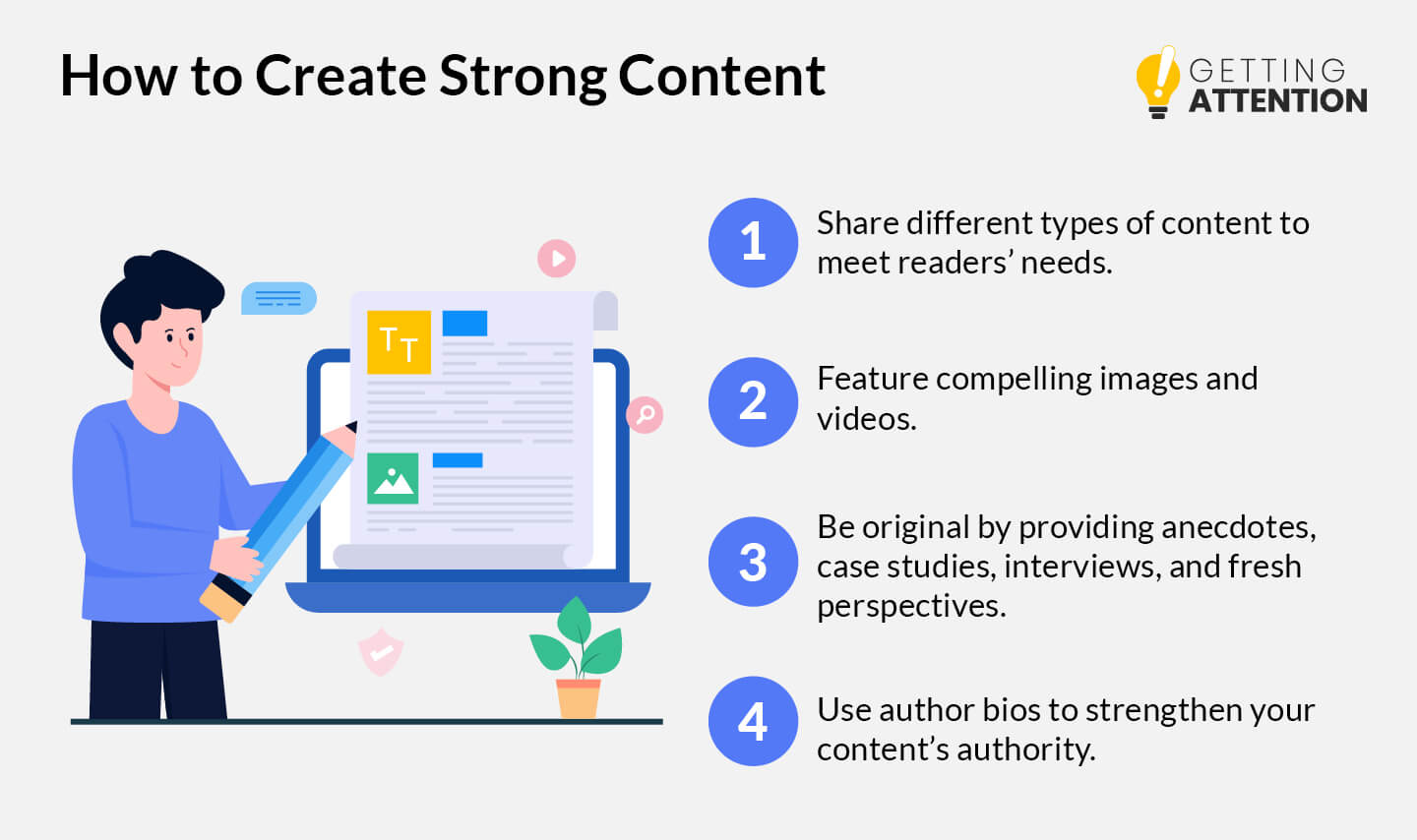
- Relevance : Make sure your content answers the questions users are asking. Understanding your audience’s needs is critical.
- Length : Longer content typically ranks better, but it’s essential to maintain depth without fluff. Aim for comprehensive coverage of topics.
- Originality : Plagiarism can harm your site’s credibility. Unique perspectives or insights set your content apart.
A personal example: A blog post I wrote on healthy recipes gained traction primarily because it offered original recipes with personal anecdotes about my cooking experiences.
HTML Tags Optimization
When it comes to on-page SEO, the optimization of HTML tags is equally crucial. Properly formatted headings and tags help search engines understand the structure and significance of your content.
Key HTML tags to focus on:
- Title Tags : Ensure your title tags are catchy and include primary keywords. They are often the first impression users have of your content.
- Meta Descriptions : These should provide a brief summary of the page and include relevant keywords. A compelling meta description can increase click-through rates.
- Header Tags (H1, H2, H3) : Use these to create a hierarchy. They help both readers and search engines navigate your content effectively.
By focusing on content quality and optimizing HTML tags, businesses can substantially improve their on-page SEO efforts and enhance their overall search performance.
Off-Page SEO Factors
Backlink Quality
Transitioning from the on-page strategies, it’s crucial to understand the significance of off-page SEO factors, particularly backlink quality. Backlinks, or inbound links from other websites, act as endorsements for your content, signaling to search engines that your site is a credible source.
When it comes to backlinks, quality trumps quantity. Here’s why:
- Relevance : A backlink from a site within your industry holds more weight than one from an unrelated site. For instance, if you run a pet supply store, a link from a prominent pet blog is invaluable.
- Authority : Links from high-authority sites boost your credibility. Tools like Moz can help you identify site authority.
- Diversity : A natural backlink profile comes from various sources, including blogs, news articles, and directories.
In my experience, securing a guest post on a popular industry website led to a noticeable leap in traffic to my site, underscoring the power of quality backlinks.
Social Signals
The second critical off-page SEO factor is social signals. While the direct impact of social media on rankings is debated, there’s no denying that social shares can amplify your content’s reach and visibility.
Consider these social aspects:
- Engagement : Strong engagement metrics (likes, shares, comments) indicate to search engines that your content is valuable and share-worthy.
- Brand Awareness : Visibly active social media presence fosters brand loyalty and can lead to increased searches for your brand, which positively impacts SEO.
- Traffic Generation : Social media can drive substantial referral traffic. When posts resonate, they lead to users commenting, sharing, and linking to your content.
A memorable instance was when a post I shared on Instagram generated significant interaction, leading to a spike in website visits. Thus, fostering a robust social media strategy can be a vital asset in your overall SEO performance.

Technical SEO
Site Speed
Building on the importance of off-page SEO, let’s delve into technical SEO—a crucial area often overlooked by many businesses. One of the most critical components of technical SEO is site speed. In today’s fast-paced digital environment, users expect websites to load quickly, and search engines agree. Research shows that a delay of just one second can lead to a 7% decrease in conversions.
To improve site speed:
- Image Optimization : Use compressed images without sacrificing quality.
- Minification : Remove unnecessary characters from HTML, CSS, and JavaScript files to reduce load time.
- Content Delivery Network (CDN) : Utilizing a CDN can distribute your content across various servers, speeding up load times globally.
In my experience, optimizing my website’s speed led to a noticeable drop in bounce rates, allowing users to stay longer and engage more with the content.
Mobile Responsiveness
Next up is mobile responsiveness, another cornerstone of technical SEO. With over 60% of search queries coming from mobile devices, your site must be optimized for a great user experience across all screen sizes.
Consider these factors:
- Flexible Layouts : Use CSS to ensure your design adapts to different screen sizes without losing functionality.
- Touchscreen Functionality : Buttons should be easy to click, ensuring a smooth navigation experience for mobile users.
- Testing : Regularly check your site on various devices to address any potential issues quickly.
A personal anecdote illustrates the importance of mobile responsiveness: after redesigning my site to be mobile-friendly, I saw an increase in traffic from smartphone users, proving that a responsive design can keep users engaged and reduce bounce rates.
By focusing on technical SEO factors like site speed and mobile responsiveness, businesses can create a more user-friendly experience, ultimately benefiting their search rankings and overall online presence.
Local SEO Statistics
Local Search Trends
Continuing from the significance of technical SEO, let’s explore local SEO statistics that highlight its critical role in online marketing. As consumers increasingly turn to search engines for local information, understanding local search trends is vital for businesses that serve specific geographical areas.
Recent data shows that approximately 46% of all Google searches are for local information. This means that nearly half of all users are looking for services or products in their vicinity. Key trends to consider include:
- Increasing Mobile Usage : With over 76% of mobile users visiting stores within a day of performing a local search, having a mobile-friendly site is more important than ever.
- ‘Near Me’ Searches : Phrases like “restaurants near me” and “gas stations near me” have risen sharply, emphasizing the need for businesses to optimize for these keywords.
When I adjusted my local bakery’s SEO strategy to align with these trends, I noticed a significant uptick in foot traffic and online orders.
Importance of Google My Business
Equally crucial in the realm of local SEO is the importance of Google My Business (GMB). This free tool allows businesses to manage their online presence across Google, making it an indispensable asset for local visibility.
Key benefits of GMB include:
- Enhanced Visibility : An optimized GMB profile can boost your chances of appearing in local search results and Google Maps.
- Customer Interaction : GMB allows customers to leave reviews, ask questions, and even make reservations, enhancing engagement.
- Insights : You can track how customers find your business, providing valuable data to tailor your marketing strategies.
In my experience, creating and optimizing my GMB profile led to increased visibility and customer inquiries, proving that local SEO focused on tools like Google My Business can yield impressive results. Overall, leveraging local SEO strategies and maintaining an active GMB profile is essential for businesses seeking to attract local customers effectively.

SEO Performance Metrics
Organic Traffic
As we shift from local SEO considerations to SEO performance metrics, one of the most telling signs of your SEO success is organic traffic. This metric indicates the number of visitors arriving at your website through unpaid search results. It can offer a wealth of insights into how well your SEO strategies are performing.
To effectively track and improve organic traffic, consider these approaches:
- Regular Monitoring : Use tools like Google Analytics to assess trends over time. An increase in organic traffic typically signals that your SEO efforts are hitting the mark.
- Adjust Content Strategy : Analyze which pages are attracting the most traffic and optimize underperforming content based on this data.
A personal example: after refining my blog posts with SEO best practices, I witnessed a 40% increase in organic traffic over three months. This transformation emphasized the power of solid SEO strategies in driving visitors.
Keyword Rankings
Another essential metric to consider is keyword rankings. This refers to the position of your web pages in search engine results for specified keywords. Monitoring keyword rankings helps gauge your visibility and effectiveness in targeting relevant search terms.
Key considerations for optimizing keyword rankings include:
- Targeted Keyword Research : Utilize tools like SEMrush or Ahrefs to identify keywords that are not only relevant but also difficult to rank for, allowing you to focus your efforts effectively.
- Long-Tail Keywords : Targeting long-tail keywords can yield better results as they often have less competition and more specific intent, making it easier to rank higher.
Tracking keyword rankings has helped me pinpoint areas of opportunity. For example, refining my approach to longer, more specific keywords enabled me to rise to the top positions for several high-traffic terms. By focusing on organic traffic and keyword rankings, businesses can actively measure their SEO effectiveness and pivot strategies when necessary to stay ahead in the digital landscape.
SEO Trends to Watch
AI in SEO
Transitioning from essential metrics, let’s explore emerging SEO trends that are shaping the future of digital marketing. One of the hottest trends to watch is the integration of artificial intelligence (AI) in SEO. AI is revolutionizing how search engines rank content, making it crucial for businesses to adapt.
Key aspects of AI in SEO include:
- Predictive Analysis : AI tools can analyze user behavior and predict trends, allowing businesses to create content tailored to upcoming searches.
- Content Creation : AI-driven content generation tools can help brainstorm ideas or even create initial drafts, significantly reducing the time spent on content production.
From my experience, experimenting with AI-powered tools has streamlined my content planning process, enabling quicker and more effective adaptation to audience needs.
Video Content SEO
Another trend gaining traction is video content SEO. Videos have become an integral part of online search, with over 80% of content predicted to be video by 2025. This trend underscores the importance of optimizing video content for search engines.
To leverage video content effectively:
- Optimize Titles and Descriptions : Just like traditional SEO, using relevant keywords in your video title and description can help improve visibility.
- Transcriptions : Including transcriptions or captions can boost SEO and make your videos accessible to a broader audience.
- Engagement Metrics : Track user interactions, such as likes, shares, and average view duration, to refine future video content strategies.
In my own journey, incorporating videos into my content strategy not only enhanced engagement but also played a significant role in boosting overall site traffic. Staying attuned to trends like AI in SEO and video content optimization can foster a more competitive edge in today’s fast-evolving digital landscape.
Conclusion
Recap of Key SEO Stats
As we wrap up our exploration of SEO, let’s revisit some key statistics that highlight its importance and impact. From our discussion, it’s clear that:
- 46% of all Google searches are for local information, emphasizing the power of local SEO.
- Over 60% of all searches are conducted on mobile devices, reinforcing the need for mobile optimization.
- 80% of content is predicted to be video by 2025, showcasing the growing importance of video content in SEO strategies.
These statistics underscore the vital role that SEO plays in connecting businesses with their target audiences effectively.
Future of SEO
Looking ahead, the future of SEO appears dynamic and evolving. As AI technologies advance, we can expect even greater personalization in search results. Businesses that adapt to these changes—embracing AI, focusing on high-quality content, and optimizing for voice search—will likely thrive.
Additionally, with the shift towards video content and the rising popularity of platforms like TikTok, incorporating diverse content strategies will become essential.
In my experience, staying proactive about these trends has been key to maintaining relevance in an ever-changing digital landscape. The future of SEO will be an exciting journey, and those who continuously learn and adapt will emerge as industry leaders. Embracing these changes ensures that businesses not only survive but flourish in the competitive online world.