

Introduction
Understanding the Basics of SEO Site Checks
In today’s digital landscape, having a robust online presence is non-negotiable, and this is where SEO site checks come into play. Essentially, an SEO site check is an examination of various elements of a website to ensure it aligns with search engine algorithms and best practices. Think of it as a health check-up for your website.
Just as you might monitor your health through regular check-ups, monitoring your website’s health through SEO audits is equally crucial. A well-optimized site not only ranks higher on search engine results pages (SERPs) but also attracts more visitors, leading to greater opportunities for conversions.
Why SEO Site Checks are Essential for Digital Presence
Understanding the significance of SEO site checks is vital for any business looking to thrive online. Here are some reasons why they should be part of your digital strategy:
- Improves Visibility: Better SEO means higher rankings, which leads to increased visibility.
- Enhances User Experience: A well-audited site loads faster and is easier to navigate.
- Increases Traffic and Leads: With improved rankings and user experience come more visitors and potential customers.
For instance, a small e-commerce store conducted regular SEO audits and discovered that simply optimizing their meta tags significantly boosted their online visibility, eventually leading to a 30% increase in sales over six months. This example highlights the impact of regular SEO site checks and why neglecting them can mean missed opportunities.

Importance of SEO Site Audits
Enhancing Search Engine Visibility
Building on the framework of SEO site checks, let’s delve into the importance of SEO site audits, starting with enhancing search engine visibility. In the competitive digital marketplace, simply having a website isn’t enough; it needs to be discoverable. A comprehensive SEO audit identifies various factors that can affect your site’s visibility on search engine results pages (SERPs).
For example, consider an outdoor gear retailer that struggled for visibility even though they had quality products. Upon conducting a thorough SEO audit, they realized that their keywords were outdated and their content was not optimized. By refreshing their keyword strategy and optimizing their existing content, they saw a remarkable jump in their search rankings.
- Keyword Optimization: Ensuring relevant keywords are strategically placed.
- Technical SEO: Addressing issues such as broken links and mobile compatibility.
- Content Quality: Regularly updating content provides search engines a reason to index the site more frequently.
Improving User Experience
Apart from visibility, another vital aspect of SEO site audits is enhancing user experience. The user experience not only plays a crucial role in keeping visitors engaged but also influences search engine rankings. A user-friendly website can lead to longer browsing times, lower bounce rates, and higher conversion rates.
Consider a local bakery that revamped its website after discovering through an SEO audit that it was slow to load and hard to navigate. By streamlining the design and improving load times, they witnessed a 40% decrease in bounce rates. Here are a few ways SEO audits can improve user experience:
- Site Navigation: Ensuring users can easily find what they are looking for.
- Page Load Speed: Optimizing images and scripts to reduce load times.
- Mobile Optimization: Ensuring the website functions seamlessly across all devices.
Regular SEO site audits not only enhance your site’s visibility but also contribute significantly to a positive user experience, setting the stage for business growth.
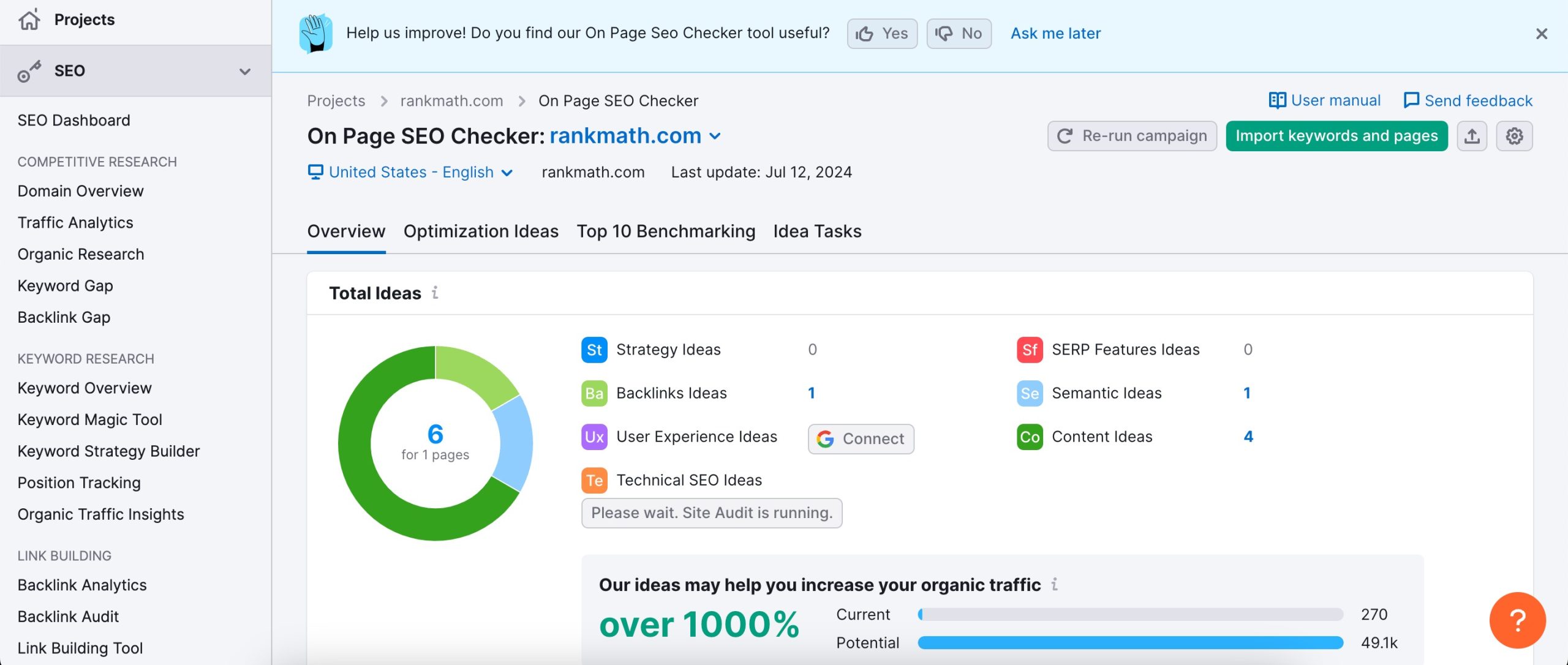
Tools for Conducting SEO Site Checks
Popular SEO Audit Tools
Now that we’ve explored the importance of SEO site audits, let’s focus on the essential tools that can help you conduct these checks efficiently. The right tools can provide invaluable insights into your website’s performance and make the audit process more streamlined. Here are some popular SEO audit tools used widely in the industry:
- Google Search Console: A free tool that helps monitor, maintain, and optimize your site’s presence in Google search results.
- SEMrush: A comprehensive SEO suite that offers site audits, keyword research, and competitor analysis.
- Ahrefs: Renowned for its backlink analysis features, Ahrefs also provides site audits and traffic analysis.
- Moz Pro: Offers a range of features including Site Crawl and Page Optimization to improve your site’s SEO health.
Using one or a combination of these tools can vastly simplify your SEO audit process and allow you to gather data effectively.
Comparing Features and Benefits
As you consider which tool(s) to use for your SEO site checks, it’s beneficial to compare their features and benefits. Here’s a quick breakdown:
| Tool | Key Features | Benefits |
|---|---|---|
| Google Search Console | Performance monitoring, URL inspection | Free, direct insights from Google |
| SEMrush | Keyword tracking, site audits | Comprehensive, including competitors |
| Ahrefs | Backlink analysis, content explorer | Strong in backlink auditing |
| Moz Pro | Keyword research, on-page optimization | User-friendly interface |
For example, a small digital marketing agency used SEMrush for their clients and appreciated its all-in-one capability, while a solo entrepreneur found Google Search Console to be more tailored for their specific needs without any investment. By choosing the right tool based on your unique requirements, you can maximize the effectiveness of your SEO site checks and ultimately improve your digital presence.

Technical SEO Site Checks
Assessing Site Speed and Performance
Continuing our journey into SEO site checks, it’s crucial to delve into the realm of technical SEO, starting with assessing site speed and performance. A slow-loading website can be detrimental, not only affecting user experience but also leading to lower search engine rankings.
For instance, a friend of mine runs a travel blog that faced declining traffic due to slow load times. After implementing a technical SEO audit, they discovered that their images were unoptimized and contribute to page delays. Post-optimization, their site speed improved significantly, resulting in increased visitor retention and engagement.
Here are a few strategies to enhance your site speed:
- Image Optimization: Compress images without sacrificing quality.
- Browser Caching: Use caching to reduce server load and speed up loading times.
- Minimize Redirects: Reduce unnecessary redirects to streamline user navigation.
Optimizing Mobile Responsiveness
With mobile traffic now accounting for a significant portion of web visits, optimizing mobile responsiveness has become essential. A site that isn’t mobile-friendly can deter potential visitors and negatively impact rankings.
Take the example of a local restaurant that launched a mobile version of their site after failing to attract foot traffic. Their mobile-friendly site didn’t just attract diners on the go, but also improved their ranking in local searches.
To optimize mobile responsiveness, consider the following:
- Responsive Design: Ensure your website design adapts seamlessly to different screen sizes.
- Touch-Friendly Elements: Make buttons and navigation easy to use on touch screens.
- Fast Loading Times: Implement the same speed optimization techniques for mobile versions as for desktop.
By focusing on technical SEO aspects like site speed and mobile responsiveness, businesses can enhance their website’s performance, ensuring users enjoy a smooth and engaging browsing experience.
On-Page SEO Site Audits
Content Analysis and Optimization
As we transition into on-page SEO site audits, one of the most critical components to focus on is content analysis and optimization. Quality content is the backbone of any successful SEO strategy, and conducting a thorough review can yield impressive results.
For instance, a local online clothing store had a blog section with informative articles, but they weren’t optimized for search engines. After performing an on-page audit, they identified relevant keywords and incorporated them naturally into their existing posts. This simple change led to a noticeable increase in organic traffic, allowing more customers to discover their products.
Here are steps to consider during your content analysis:
- Keyword Relevance: Ensure content includes keywords that your target audience is searching for.
- Readability: Use short paragraphs and clear language to enhance user engagement.
- Content Length: Research suggests longer content tends to perform better, so aim for a minimum of 1,000 words for in-depth topics.
Meta Tags and URL Structure Review
Before we conclude this section on on-page SEO, it’s essential to address the importance of meta tags and URL structure. These elements serve as the first point of contact for search engines and visitors alike.
For example, a tech company recently learned through an SEO audit that their meta descriptions were generic and uninspiring. After rewriting them to be more engaging and keyword-rich, they noticed a significant uptick in click-through rates.
When reviewing meta tags and URL structures, focus on these areas:
- Title Tags: Ensure they are unique, descriptive, and contain primary keywords.
- Meta Descriptions: Craft compelling descriptions that encourage clicks, ideally within 150-160 characters.
- URL Structure: Use clean, keyword-rich URLs that clearly indicate what the page is about.
By prioritizing content optimization alongside meticulous attention to meta tags and URL structure, businesses can maximize their on-page SEO efforts and improve their chances of ranking higher in search engine results.

Off-Page SEO Site Checks
Backlink Analysis
As we move into the realm of off-page SEO site checks, one of the crucial components we should focus on is backlink analysis. Backlinks, or incoming links from other sites to yours, are a significant factor in determining your site’s authority and search engine ranking.
For example, a tech startup I once consulted for was struggling with visibility despite having stellar content. After conducting a backlink analysis, we discovered they had very few quality backlinks pointing to their site. By reaching out to industry influencers and guest blogging for reputable websites, they significantly improved their backlink profile. As a result, their domain authority and search rankings soared.
When analyzing backlinks, consider these factors:
- Quality over Quantity: Focus on obtaining links from reputable and relevant sites.
- Anchor Text Diversity: Ensure that the anchor text (the clickable text in a hyperlink) used varies and includes keywords naturally.
- Monitoring Toxic Links: Regularly check for harmful backlinks that could negatively impact your SEO efforts and disavow them when necessary.
Social Media Presence Evaluation
Another critical aspect of off-page SEO is evaluating your social media presence. In an increasingly interconnected world, a strong social media strategy not only drives traffic but also plays a pivotal role in your overall SEO performance.
For instance, a local café found that sharing their blog posts across social media platforms led to increased engagement and, eventually, traffic to their website. The more they interacted with followers and shared valuable content, the more they noticed an uptick in organic visits.
To evaluate your social media presence effectively, focus on these points:
- Engagement Levels: Monitor likes, shares, and comments to gauge audience interest.
- Content Sharing: Create shareable content that encourages followers to spread the word.
- Consistency: Ensure regular posting on all platforms to maintain visibility and connect with your audience.
By conducting thorough off-page SEO checks encompassing backlink analysis and social media evaluation, businesses can bolster their online authority and enhance their reach, ultimately driving more traffic to their websites.

SEO Site Security Checks
Identifying and Fixing Security Vulnerabilities
Transitioning into SEO site security checks is essential for maintaining a robust online presence. As cyber threats continue to evolve, identifying and rectifying security vulnerabilities should be a top priority for any website owner. A single breach can damage your reputation and impact SEO rankings significantly.
For example, a retail business I worked with recently experienced a security breach that exposed customer data. After conducting a comprehensive security audit, we identified outdated plugins as a primary vulnerability. By promptly updating these plugins and strengthening their site’s firewall, they not only secured their website but also restored customer trust.
When assessing security vulnerabilities, consider these key strategies:
- Regular Security Audits: Schedule periodic checks to uncover potential threats.
- Software Updates: Keep all software, plugins, and themes up to date to patch known vulnerabilities.
- User Access Management: Limit admin access to essential personnel to reduce risk.
Implementing HTTPS and SSL Certificates
Another critical aspect of SEO site security is implementing HTTPS and SSL certificates. HTTPS (Hypertext Transfer Protocol Secure) is vital for encrypting data between the user’s browser and your website, ensuring that sensitive information remains protected.
A small nonprofit organization I advised had not implemented HTTPS on their site, which raised concerns among visitors about data safety. After they secured an SSL certificate, not only did their traffic increase, but they also noticed improved search engine rankings, as Google gives preference to secure sites.
To implement HTTPS correctly, follow these steps:
- Obtain an SSL Certificate: Invest in a reliable SSL certificate provider.
- Update Internal Links: Make sure all internal links use HTTPS to avoid security warnings.
- Redirect HTTP to HTTPS: Implement 301 redirects to ensure that users are automatically directed to the secure version of your site.
By prioritizing security measures such as identifying vulnerabilities and implementing HTTPS, businesses can protect their online assets, bolster their SEO rankings, and provide a safe browsing experience for their users.

Measuring SEO Site Check Performance
Key Metrics to Track
Having discussed the critical components of SEO site checks, it’s equally important to focus on measuring their performance. After implementing the changes recommended in your SEO audits, tracking key metrics can provide valuable insights into your website’s effectiveness.
For instance, a client I worked with in the travel industry was unsure about the ROI from their SEO efforts. By focusing on key metrics, we were able to demonstrate a significant increase in organic traffic and improved search rankings. Here are some essential metrics to keep an eye on:
- Organic Traffic: Analyze the number of visitors coming from search engines.
- Bounce Rate: Monitor the percentage of visitors who leave without engaging further. A high bounce rate could indicate issues with content relevance or user experience.
- Conversion Rate: Track how many visitors complete desired actions, such as signing up for a newsletter or making a purchase.
- Keyword Rankings: Keep an eye on shifts in your keyword rankings to measure the impact of your SEO efforts.
Interpreting Audit Results
Once you’ve gathered data on these metrics, the next step is interpreting the audit results to guide future actions. It’s essential to translate numbers into actionable insights.
For example, if you notice a significant drop in organic traffic, investigate whether any recent algorithm updates may have affected your rankings. Alternatively, if your conversion rates are low but traffic is high, it could be an indicator of a poor user experience.
Consider these approaches for interpreting results:
- Identify Trends: Look for patterns over time rather than focusing on isolated data points, such as seasonal fluctuations or recent campaigns.
- Set Benchmarks: Compare your results against industry averages to measure your site’s performance.
- Adjust Strategies: Use insights from your audit results to refine your SEO strategies, whether that’s produciing more engaging content, optimizing page speed, or enhancing mobile responsiveness.
By consistently measuring and interpreting SEO site check performance, businesses can adapt their strategies, ensuring they remain competitive and effectively meet their audience’s needs.
Real-World Case Studies
Successful SEO Site Check Implementations
As we dive into real-world case studies, it’s inspiring to see how effective SEO site checks can transform businesses. One particularly noteworthy example is a mid-sized e-commerce store specializing in home décor. After conducting a thorough SEO audit, they discovered that their site was not optimized for mobile users, and their metadata was poorly crafted.
By addressing these issues—updating their imagery for faster load times on mobile devices and improving their meta tags—traffic to their site increased by 50% within three months. The owners were thrilled not just by the numbers but also by the increase in sales as more users found them through search engines.
Key takeaways from this implementation success include:
- Prioritize Mobile Optimization: A mobile-friendly site can significantly boost user engagement.
- Optimize Metadata: Well-crafted meta titles and descriptions can improve click-through rates.
Lessons Learned from SEO Audits
While successful implementations showcase the potential of well-executed SEO site checks, there are also valuable lessons to be gleaned from challenges faced during audits. For instance, a startup in the tech industry learned the hard way that neglecting backlink quality can result in ranking setbacks. Their initial backlink profile was cluttered with low-quality links, which adversely affected their SEO standings.
After performing a comprehensive backlink audit, they disavowed harmful links and focused on gaining higher-quality ones. Within months, their domain authority improved, and they reclaimed lost ranking positions.
From this and similar cases, here are essential lessons learned:
- Regularly Audit Backlink Profiles: Routine checks can prevent future problems with low-quality backlinks.
- Don’t Ignore User Experience: Ensuring a smooth and engaging user experience can lead to better retention and increased conversions.
Incorporating these real-world insights into your SEO strategies can help navigate the complex landscape of search engine optimization, ensuring sustained success over time.

Future Trends in SEO Site Audits
AI and Machine Learning Impact
As we look toward the future of SEO site audits, the impact of AI and machine learning cannot be overlooked. These technologies are revolutionizing the way we analyze SEO performance and optimize websites. For example, AI-driven tools like Clearscope and Surfer SEO leverage machine learning algorithms to recommend content optimizations based on current ranking pages.
A digital marketing agency I worked with integrated AI tools into their audit processes, accumulating data faster and analyzing it more accurately. They noticed improved efficiency and enhanced optimization recommendations that boosted their clients’ rankings significantly.
Key implications of AI and machine learning for SEO site audits include:
- Predictive Analytics: These tools can forecast trends and search behaviors, allowing businesses to adapt proactively.
- Automated Reporting: AI can generate detailed reports, saving time while providing insights into performance metrics.
- Enhanced Personalization: Machine learning helps in creating tailored content strategies that meet user intent more effectively.
The Evolution of SEO Best Practices
Alongside these technological advancements, the evolution of SEO best practices is vital to consider for future successes. Traditional SEO tactics are adapting to new search engine algorithms and user behaviors. For example, voice search optimization is increasingly essential as more consumers use smart devices.
A local service-based business adopted voice search tactics by optimizing their content for conversational phrases. As a result, they saw a 30% increase in inquiries from voice-activated searches within just a few months.
Some evolving best practices to watch for include:
- Core Web Vitals: Google’s emphasis on user experience metrics will shape future SEO strategies.
- Content Quality Over Quantity: As search engines refine their algorithms, delivering high-value, relevant content will become paramount.
- Local SEO Optimization: Businesses must embrace localized content and strategies to better connect with their community.
By staying ahead of these trends in AI and evolving SEO practices, businesses can ensure their strategies remain competitive and effective in a rapidly changing digital landscape.