
Introduction to SEO
What is SEO?
Search Engine Optimization, commonly referred to as SEO, is the art and science of enhancing a website’s visibility in search engine results. When a user types a query into a search engine like Google, they want the best and most relevant answers. SEO aims to ensure that your site appears prominently in these search results, making it more likely that users will visit your site.
At its core, SEO involves various strategies and techniques that improve the quality and quantity of traffic to a website through organic search engine results. This can include optimizing content, improving site structure, and leveraging backlinks from other reputable sites.
Importance of SEO for Beginners
For those just starting in the digital world, understanding SEO is crucial. It not only drives traffic but also helps in establishing credibility and authority within your niche. Here’s why beginners should prioritize SEO:
- Visibility and Brand Awareness : Effective SEO can place you on the first page of search results, significantly enhancing your brand’s visibility.
- Cost-Effective Marketing : Unlike paid ads, organic search traffic is free. Investing time in SEO can produce long-lasting results without ongoing costs.
- User Experience Improvement : Good SEO practices enhance the user experience by making content easier to navigate.
- Competitive Advantage : Understanding SEO can give you an edge over competitors who may overlook this essential aspect of online marketing.
For instance, when I first started my blog, I knew little about SEO. However, after applying some basic SEO techniques, my traffic increased by 50% within a few months. This journey was enlightening, showing me how essential SEO is for anyone looking to succeed online.
In conclusion, embracing SEO from the outset is vital for anyone wanting to make a mark in the digital landscape.

Understanding Search Engines
How Search Engines Work
Having a grasp on how search engines operate is essential for any budding SEO enthusiast. Search engines serve as gateways to information, utilizing complex systems to deliver the most relevant results to user queries. Here’s a simplified breakdown of how they work:
- Crawling : Search engines deploy bots (often called spiders) that travel across the web, accessing and cataloging various pages.
- Indexing : Once a page is crawled, it is indexed—meaning it gets stored in a massive database for quick retrieval whenever someone searches for a relevant term.
- Ranking : When a user enters a search term, the search engine sifts through its index to determine the best results. This is where algorithms play a crucial role.
Think of it like a library. The librarian (the search engine) has to sort through thousands of books (web pages) to find the right ones that answer your question. The better organized, the easier it is to find what you need!
Different Search Engine Algorithms
Search engines use various algorithms to determine which results to display, and these algorithms are continuously evolving. Here are a few key types:
- PageRank : Initially developed by Google, PageRank evaluates the importance of web pages based on the quantity and quality of backlinks they receive.
- Hummingbird : Focused on understanding the context of queries rather than just matching keywords, this algorithm enhances conversational search capabilities.
- Panda : This algorithm penalizes low-quality or duplicate content, promoting original, valuable content instead.
During my early blogging days, I experienced the ups and downs of algorithm changes firsthand. After a major update like Google’s Penguin, my site saw a drop in traffic due to poor backlink practices. It taught me the importance of staying updated on these algorithm changes and adjusting my SEO strategies accordingly.
In essence, understanding how search engines function and the algorithms they use is foundational for optimizing content effectively and staying ahead in the digital game.
Keywords and Keyphrases
Importance of Keywords
As we delve deeper into SEO, let’s talk about one of its core components—keywords and keyphrases. Simply put, keywords are the words and phrases that people type into search engines when they’re looking for information. They are essential because they:
- Connect Content with Users : Keywords bridge the gap between what users search for and the content you create. Using relevant keywords ensures that your target audience finds you when searching for specific information.
- Aid in Ranking : Incorporating keywords strategically into your content helps search engines understand its relevance, improving your chances of ranking higher in search results.
- Drive Targeted Traffic : When your content ranks for the right keywords, it attracts visitors who are genuinely interested in your offerings, leading to higher engagement rates.
During my early blogging journey, I quickly realized that applying the right keywords made all the difference. An article without strategic keyword placement performed mediocrely, while another, built around carefully chosen keywords, attracted a flood of traffic.
How to Conduct Keyword Research
Now that we understand why keywords are important, let’s discuss how to conduct effective keyword research:
- Brainstorm Initial Ideas : Start with topics that resonate with your industry or niche. Write down a list of potential keywords linked to these ideas.
- Use Keyword Research Tools : Platforms like Google Keyword Planner, SEMrush, or Ubersuggest can help identify search volume, competition, and related keywords.
- Analyze Competitors : Look at what keywords your competitors are using. Tools like Ahrefs can provide insight into their keyword strategies.
- Long-Tail Keywords : Focus not just on broad keywords but also on long-tail keywords (three or more words). These often have less competition and a more targeted audience.
Remember, keyword research isn’t a one-time task. It requires ongoing analysis and adjustments. By implementing these techniques, you can optimize your content effectively and reach the audience that matters most.
On-Page SEO
Optimizing Meta Tags
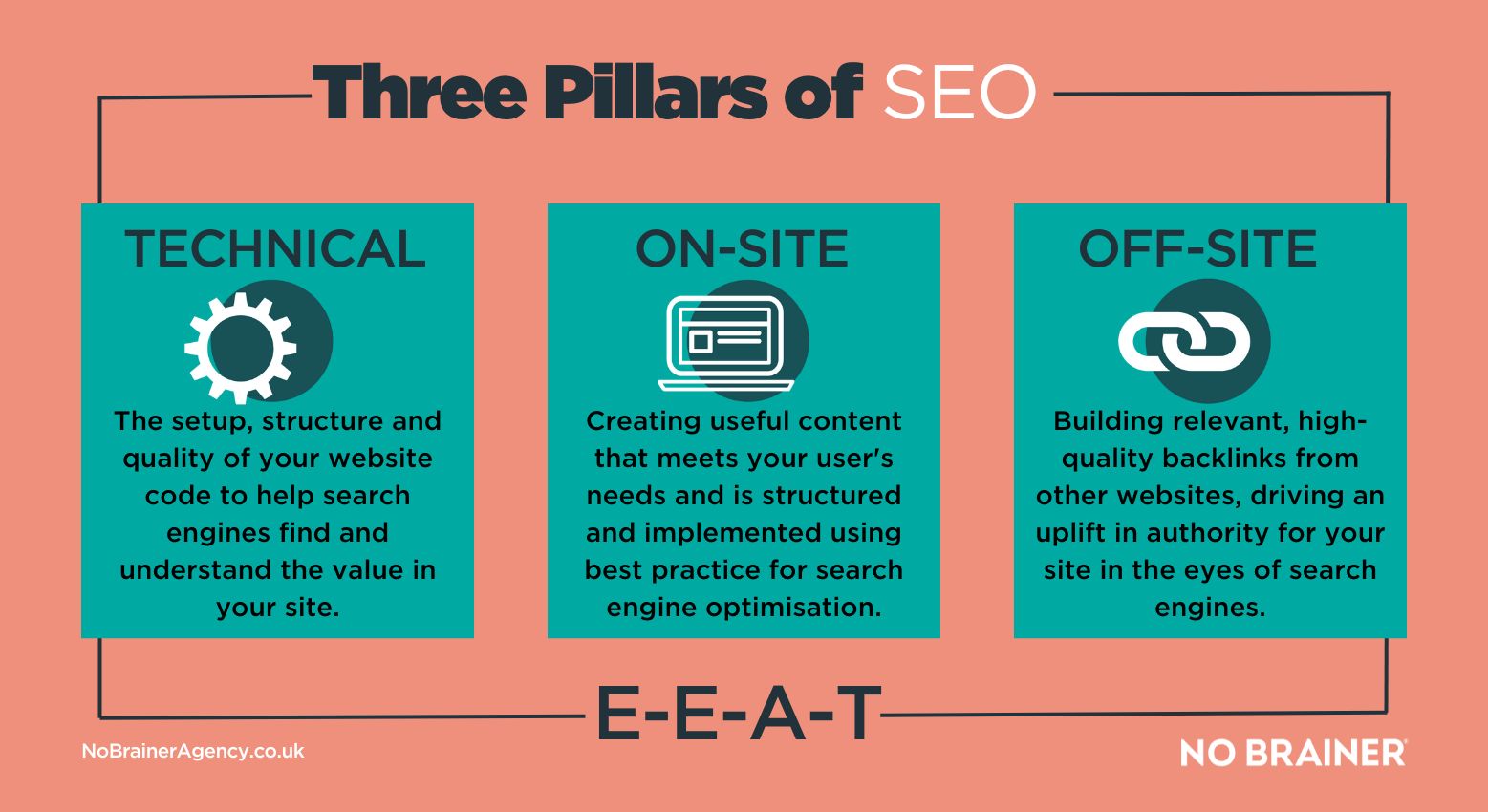
Continuing our journey into the world of SEO, let’s discuss On-Page SEO, an essential practice that directly affects your website’s performance. One of the cornerstones of On-Page SEO is optimizing meta tags. But what exactly are meta tags? They are snippets of text that describe your webpage’s content, and they’re crucial because they help search engines understand what your page is about.
When optimizing meta tags, consider the following:
- Title Tag : This is the clickable headline that appears in search results. Keep it under 60 characters and include your primary keyword.
- Meta Description : This is a brief summary of the page content (about 155 characters). Make it engaging and informative, incorporating relevant keywords to entice users to click.
- Header Tags (H1, H2, H3, etc.) : These help structure your content and signal its significance to search engines. Use keywords naturally within these headers to improve relevance.
In my blogging experience, I noticed a significant boost in click-through rates when I carefully crafted my title tags and meta descriptions to resonate with my audience.
Creating High-Quality Content
Of course, meta tags alone won’t cut it. High-quality content is the backbone of effective SEO. What qualifies as high-quality content? Here are some key elements:
- Relevance : Ensure your content answers the questions your target audience is asking.
- Depth : Cover topics thoroughly. Longer, well-researched articles tend to perform better.
- Engagement : Use visuals, bullet points, and clear formatting to make your content easy to read and engaging.
A personal story illustrates this point well. Early in my blogging career, I published a brief article that barely scratched the surface of a topic. As a result, visitors quickly left the page. Afterward, I invested time in creating more comprehensive, insightful articles, and traffic and reader engagement soared.
In conclusion, focusing on optimizing meta tags and creating high-quality content are crucial strategies in your On-Page SEO efforts. Committing to these practices can significantly improve your website’s visibility and user experience.

Off-Page SEO Strategies
Building Backlinks
Now that we’ve explored On-Page SEO, let’s shift our focus to Off-Page SEO strategies, the methods that enhance your site’s authority and relevance beyond your own content. A key component here is building backlinks. Backlinks are incoming links from other websites to yours, and they act as votes of confidence for search engines.
Here are some effective ways to build backlinks:
- Guest Posting : Write articles for reputable blogs in your industry. This not only allows you to showcase your expertise but also includes a backlink to your site.
- Resource Pages : Identify websites that list resources in your niche and suggest including your content as a valuable resource.
- Networking : Develop relationships with fellow bloggers and influencers. Sometimes, mutual support can lead to backlink opportunities.
When I first started building backlinks, I reached out to several content creators in my niche for guest posting opportunities. It was a game-changer for my site’s traffic and credibility!
Using Social Media for SEO
Another effective Off-Page SEO strategy is leveraging social media. While social signals (likes, shares, and interactions) do not directly influence SEO rankings, they can drive traffic and increase your site’s visibility, indirectly benefiting your SEO efforts.
Consider these strategies for using social media effectively:
- Share Engaging Content : Regularly post your high-quality blog content on social platforms. The more shares it gets, the more visibility and potential backlinks you might earn.
- Engage with Your Audience : Respond to comments and messages, and encourage discussions around your posts. This builds community and enhances brand loyalty.
- Join Relevant Groups : Participate in groups related to your niche. Sharing insights in these communities can lead to increased traffic to your site.
I remember when I shared an article on Facebook groups relevant to my niche; it resulted in a surge of web traffic and several backlinks. The interplay between social media and SEO is a powerful tool for expanding your online reach.
In summary, focusing on building backlinks and utilizing social media effectively are critical strategies in your Off-Page SEO toolkit. Both approaches can enhance your site’s credibility and visibility in search engines, ultimately leading to greater success online.
Technical SEO
Optimizing Site Structure
Having discussed Off-Page SEO strategies, it’s time to turn our attention to Technical SEO. This often-overlooked element plays a crucial role in ensuring that search engines can effectively crawl and index your site. A well-optimized site structure can significantly improve user experience and, consequently, your SEO performance.
Here are some key aspects to consider for optimizing your site structure:
- Logical Hierarchy : Organize your website into a clear hierarchy. Use categories and subcategories to make it easy for users and search engines to navigate.
- URL Structure : Create clean, descriptive URLs that include relevant keywords and give an idea of the page’s content. For example, a URL like www.example.com/blog/how-to-optimize-website is far more effective than www.example.com/post/12345.
- XML Sitemap : This file helps search engines understand your site’s layout. Submit your sitemap to search engines to ensure all pages are indexed.
When I revamped my blog’s structure, breaking down content into categories and improving URL clarity significantly reduced my site’s bounce rate and improved user engagement.
Improving Site Speed
Another critical component of Technical SEO is site speed. A slow-loading website can drive users away and negatively impact search rankings. Here are effective ways to improve your site speed:
- Optimize Images : Compress image files to reduce their size without sacrificing quality. Tools like TinyPNG can help achieve this.
- Minify CSS and JavaScript : Remove unnecessary characters from your code, which can speed up loading times. Plugins like WP Rocket for WordPress make this process easier.
- Leverage Browser Caching : Enabling browser caching allows frequently visited pages to load faster for returning visitors.
I experienced firsthand how site speed improvements can lead to better user engagement. After optimizing images and minifying my code, I noticed an uptick in both page views and time spent on the site.
In conclusion, focusing on optimizing your site structure and improving site speed through Technical SEO practices is vital for creating a user-friendly online experience. These enhancements not only help search engines crawl your site more efficiently but also significantly boost user satisfaction.
Measurement and Analytics
Tracking SEO Performance
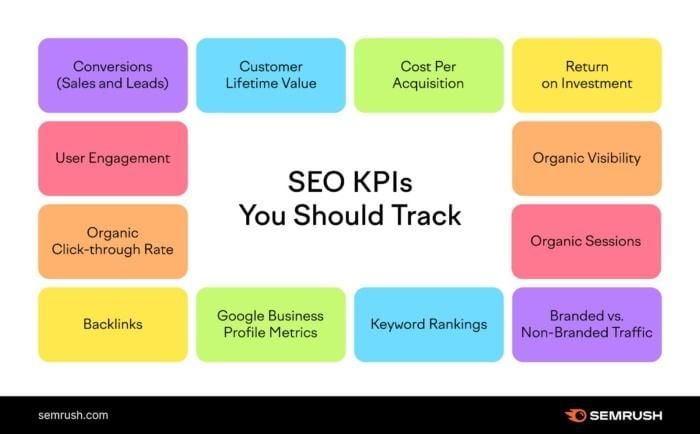
Now that we’ve covered Technical SEO, let’s talk about measurement and analytics—essential components for understanding the effectiveness of your SEO strategies. Tracking your SEO performance helps you gauge what’s working and what needs improvement.
Here are some critical metrics to consider when assessing your SEO performance:
- Organic Traffic : This indicates how many visitors come from search engines. A steady increase is a sign that your SEO efforts are paying off.
- Keyword Rankings : Regularly monitor how your target keywords are performing to see if they are moving up or down in search results.
- Bounce Rate : A high bounce rate might suggest that visitors aren’t finding what they expect on your site, indicating a need for content optimization.
- Conversion Rate : Assess how many visitors are completing desired actions like signing up for a newsletter or making a purchase. This metric ties directly back to the effectiveness of your content and marketing efforts.
In my case, when I began tracking these metrics weekly, it provided valuable insights, allowing me to adapt my strategies effectively to drive better results.
Utilizing Google Analytics
A powerful tool for tracking SEO performance is Google Analytics. This free platform provides comprehensive insights into your website’s traffic and user behavior. Here’s how to make the most of it:
- Set Up Goals : Establish specific goals that correspond to your business objectives, such as newsletter sign-ups or product purchases, to measure success accurately.
- Analyze Acquisition Channels : Check which channels (organic, direct, social, etc.) bring the most traffic to your site, informing your content strategy.
- User Behavior Flow : Utilize the Behavior Flow report to understand how visitors navigate through your site. This can highlight any roadblocks or areas for improvement.
When I first utilized Google Analytics, I was astounded by the depth of information available. By analyzing user flows and adjusting my content accordingly, I was able to boost user engagement significantly.
In summary, consistently tracking SEO performance and utilizing tools like Google Analytics are vital for refining your strategies and enhancing your site’s success. By focusing on relevant metrics and leveraging analytics tools, you can make informed decisions that will elevate your SEO efforts.
SEO Tools for Beginners
Keyword Research Tools
As you navigate the world of SEO, utilizing the right tools can significantly enhance your effectiveness. One of the first tools beginners should explore are keyword research tools. These resources help you find relevant keywords that can drive traffic to your site. Here are some popular options:
- Google Keyword Planner : This free tool allows you to discover keyword ideas and see their search volume, competition, and trends. It’s perfect for those just starting with SEO.
- Ubersuggest : A user-friendly interface packed with features like keyword suggestions, domain statistics, and competitor analysis—all in one place.
- Ahrefs Keywords Explorer : While more robust and geared towards advanced users, Ahrefs provides deep insights into keyword difficulty and search volume metrics.
When I began my SEO journey, I relied heavily on Ubersuggest. Its straightforward design helped me identify long-tail keywords that improved my content’s search visibility almost instantly.
SEO Auditing Tools
Once you’ve established your keyword strategy, the next step is to assess your site’s current SEO health using auditing tools. These tools analyze your site for any issues that might hinder its performance. Here are some tools worth considering:
- SEMrush : This comprehensive platform generates detailed SEO audits highlighting problems with backlinks, site speed, and on-page elements.
- Moz Pro : Moz offers an easy-to-understand site audit and provides actionable insights for improvements.
- Screaming Frog : This desktop tool crawls your website and fetches essential elements for SEO analysis. It’s particularly useful for identifying broken links and duplicate content.
I vividly remember when I first conducted a site audit using SEMrush. It brought to light multiple areas for improvement, from missing meta descriptions to broken links, which I promptly addressed. This led to a marked increase in organic traffic and engagement.
In summary, leveraging keyword research and SEO auditing tools can set a strong foundation for any beginner in the SEO landscape. By understanding what keywords resonate with your audience and addressing potential issues on your site, you can effectively elevate your SEO efforts and achieve your online goals.