
Introduction to SEO
What is SEO?
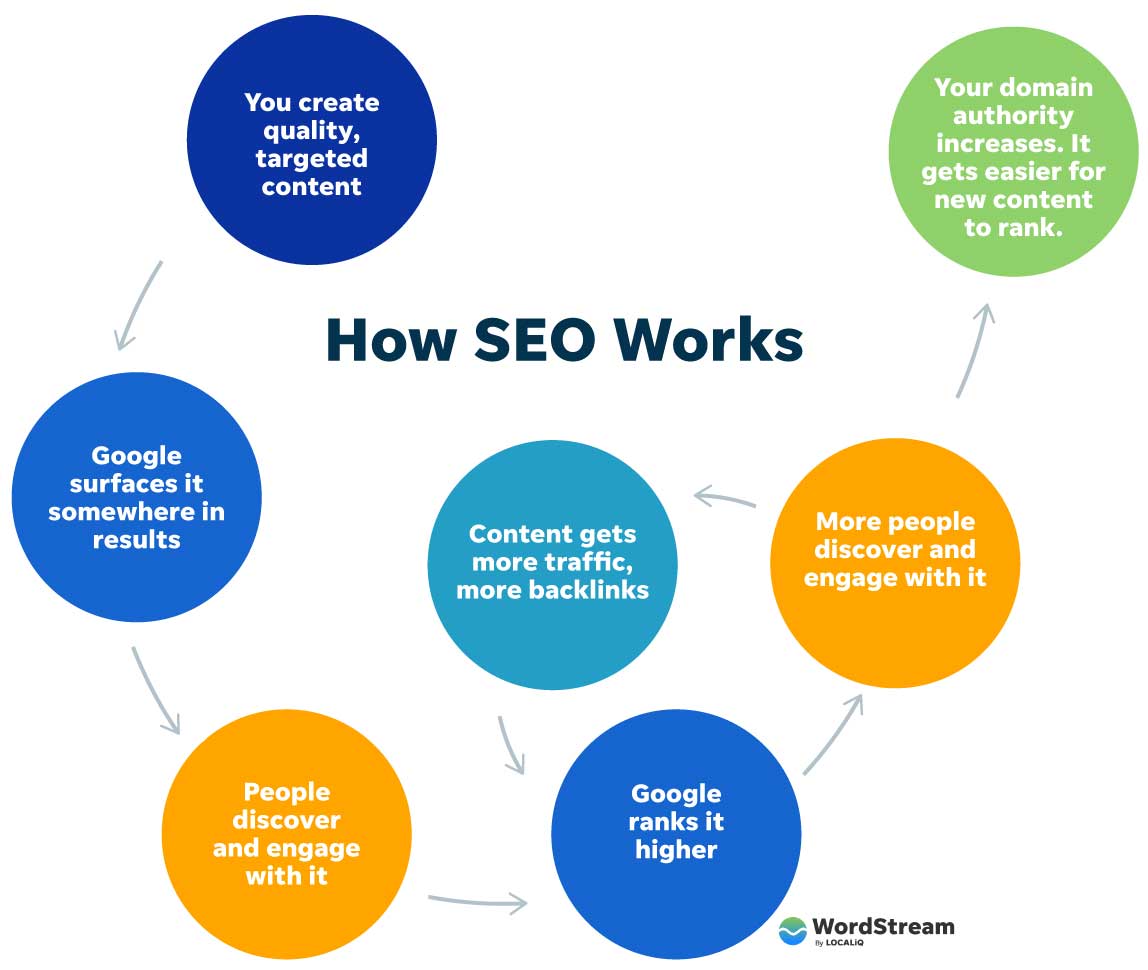
Search Engine Optimization, commonly known as SEO, is the practice of enhancing a website to improve its visibility on search engines like Google, Bing, and Yahoo. Essentially, SEO involves various strategies and techniques aimed at increasing both the quantity and quality of traffic to a website through organic search results.
Imagine you have a beautiful website with fantastic content, but if it doesn’t appear on the first page of search results, it’s as if it doesn’t exist. SEO helps bridge that gap by optimizing your website so that search engines can understand and rank it higher.
Importance of SEO for Websites
The importance of SEO cannot be overstated. Here are a few key reasons why it should be a priority for any website owner:
- Increased Visibility : Higher rankings lead to more visibility. Websites that rank on the first page receive over 70% of all clicks.
- Credibility and Trust : Users tend to trust search engines. A higher ranking establishes credibility for your brand.
- Cost-Effective : Compared to traditional advertising, SEO is cost-effective as it focuses on attracting organic traffic.
- Better User Experience : SEO practices enhance not only search visibility but also improve the overall user experience, leading to higher engagement and retention.
By understanding and implementing a robust SEO strategy, website owners can significantly boost their online presence and drive meaningful traffic to their sites.
Key Components of SEO
Keywords and Their Significance
At the heart of SEO lies the concept of keywords. Keywords are the specific terms and phrases that users enter into search engines when looking for information. Imagine planning a vacation; you might search for “best beach destinations” or “affordable hotels in Hawaii.” These phrases are the keywords that reflect user intent and are essential for any SEO strategy.
Understanding the significance of keywords includes:
- Targeting User Intent : Keywords help you align your content with what your audience is actively searching for.
- Driving Traffic : Appropriate keyword usage can bring targeted traffic that is interested in your offerings.
- Measuring Trends : Analyzing keywords can reveal emerging trends and topics within your niche.
On-Page and Off-Page SEO Techniques
To optimize a website effectively, both on-page and off-page SEO techniques are crucial.
On-Page SEO refers to the actions taken directly on your website to improve its position in search rankings. This includes:
- Content Quality : Crafting informative, relevant, and engaging content is vital.
- Title Tags and Headers : Using strategic keywords in titles and header tags helps search engines understand the page content.
- Internal Linking : Linking to other pages within your site enhances navigation and user experience.
Off-Page SEO , on the other hand, involves activities outside your website that impact its trustworthiness and authority. Key techniques include:
- Backlinks : Building quality backlinks from reputable sites can significantly boost your website’s credibility.
- Social Media Presence : Engaging with audiences on social media can drive traffic and enhance brand visibility.
By focusing on these key components, website owners can create a well-rounded SEO strategy that drives organic traffic and establishes authority in their field.
Understanding Search Engine Algorithms
How Search Engines Rank Websites
To grasp the intricacies of effective SEO, it’s essential to understand how search engines rank websites. Search engines like Google use complex algorithms that process countless factors to determine the relevance and authority of a webpage.
When you type a query into a search engine, it considers:
- Relevance : Does the content of the website relate to the search term?
- Quality : Is the content informative and well-organized?
- User Experience : How easy is the website to navigate? Does it load quickly and is it mobile-friendly?
- Backlinks : Are other reputable sites linking to this webpage, which can enhance credibility?
Think of it like a librarian selecting books to recommend. The librarian knows which books are most relevant and trustworthy based on various criteria.
Updates in Search Engine Algorithms
Search engines frequently update their algorithms to provide better search results. For instance, Google rolls out core updates several times a year that can significantly impact rankings.
Some notable updates include:
- Panda : Focused on content quality, targeting sites with thin, duplicate, or low-value content.
- Penguin : Aimed to penalize sites engaging in spammy link-building practices.
- Hummingbird : Enhanced the ability to understand conversational queries, emphasizing context and intent.
Staying informed about these updates is crucial for maintaining strong SEO performance. It’s like playing a game where the rules can change overnight, and adapting quickly is key to success. By being proactive and continuously optimizing your website based on these algorithm changes, you can ensure your site remains competitive in search engine rankings.
SEO Tools and Resources
Keyword Research Tools
To craft an effective SEO strategy, identifying the right keywords is paramount, and this is where keyword research tools come into play. These tools help you discover relevant keywords that your target audience is using to search for information related to your business.
Some popular keyword research tools include:
- Google Keyword Planner : A robust tool that provides keyword suggestions and search volume data, perfect for beginners and seasoned marketers alike.
- SEMrush : Offers comprehensive keyword analysis, including difficulty scores, and helps you uncover competitors’ keywords.
- Ahrefs Keywords Explorer : Known for its extensive database and the ability to analyze search engine results pages (SERPs).
Using these tools, you can identify high-traffic opportunities for your content, ensuring you target the right phrases for maximum visibility.
SEO Analytics Platforms
Once you have your keywords, it’s essential to track their performance, making SEO analytics platforms indispensable. These tools allow you to monitor your website’s traffic and understand how users interact with your content.
Key analytics platforms include:
- Google Analytics : A favorite among many for its comprehensive insights into website traffic, user behavior, and goal tracking.
- Moz Pro : Offers a suite of SEO tools, including site audits and rank tracking, helping you gauge your performance over time.
- StatCounter : Great for real-time web traffic analysis; it provides insights into visitor trends and engagement metrics.
Utilizing these analytics platforms allows you to make data-driven decisions about your SEO strategy. By identifying which keywords are driving traffic and which pages are performing well, you can refine your content and marketing efforts for better results. Overall, combining effective keyword research with rigorous analytics empowers you to stay ahead in the competitive digital landscape.
Creating an SEO Strategy
Setting Goals for SEO
Embarking on an SEO journey without clear goals is like setting sail without a destination. Setting specific, measurable, achievable, relevant, and time-bound (SMART) goals is vital for success.
Here are a few examples of effective SEO goals you can set:
- Increase Organic Traffic : Aim for a specific percentage increase in organic traffic over the next quarter.
- Improve Keyword Rankings : Target a certain number of keywords to achieve positions within the top three results on search engines.
- Enhance Conversion Rates : Strive to improve the conversion rates of visitors coming from organic search by a defined percentage.
Establishing these goals helps to provide direction, motivating you to enhance your efforts based on actual performance.
Developing a Content Strategy for SEO
Once you have your goals set, it’s time to develop a content strategy that aligns with those objectives. A solid content strategy not only provides value but also attracts your target audience.
Consider these key steps:
- Identify Target Audience : Understand who you are creating content for and tailor your messaging to meet their needs.
- Create High-Quality Content : Focus on producing informative, engaging, and relevant content that resonates with your audience. Use your keyword research to guide topic choices.
- Utilize Different Content Formats : Experiment with various formats like blog posts, infographics, videos, and podcasts to engage your audience in different ways.
- Establish a Content Calendar : Plan and schedule your content to ensure consistent output, which helps keep your audience engaged.
By setting clear goals and developing a robust content strategy, you lay a strong foundation for effective SEO. This approach not only enhances your online visibility but also builds a loyal audience eager for the high-quality content you provide.
Optimizing Website Content
Writing SEO-Friendly Content
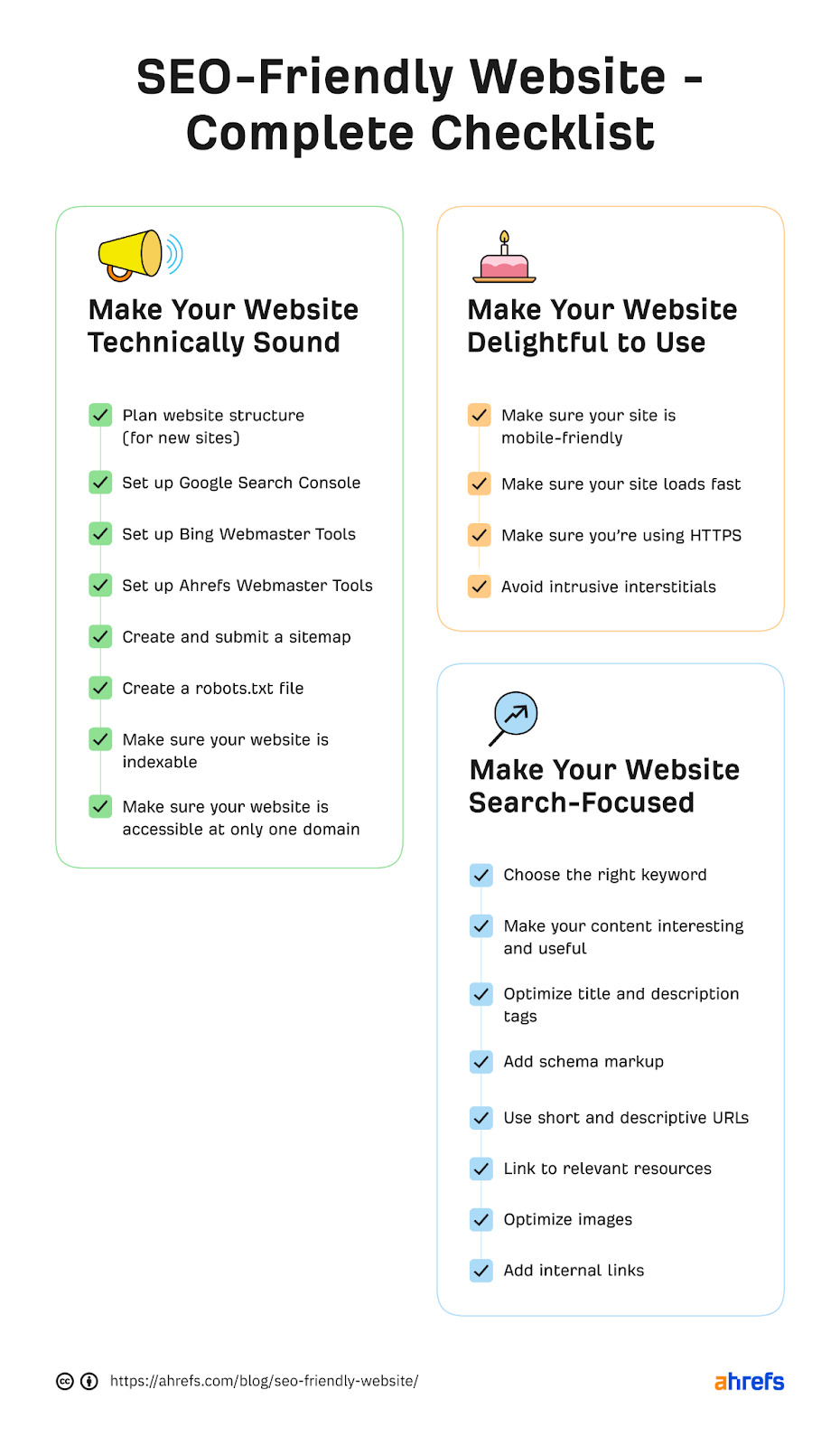
Now that you have a solid content strategy, it’s time to ensure that your website content is optimized for search engines. Writing SEO-friendly content means crafting articles that resonate with both your audience and search engine algorithms.
Here are some essential tips for creating effective content:
- Incorporate Keywords Naturally : Use your target keywords strategically throughout your content, including headings, subheadings, and within the first 100 words. Avoid keyword stuffing; instead, focus on seamless integration.
- Focus on Quality Over Quantity : Aim for in-depth, valuable content that answers your audience’s questions. For instance, longer articles (1,500 words or more) often rank better, provided they maintain engagement.
- Use Clear Formatting : Break up your content with headings, bullet points, and short paragraphs to enhance readability and make it easier for users to navigate.
Using Meta Tags and Descriptions
In addition to strong content, meta tags and descriptions play a crucial role in SEO. These elements help search engines understand the content of your webpage while enticing users to click through.
Consider these key aspects:
- Title Tags : Craft compelling title tags that include your primary keyword. Aim for around 60 characters to ensure it displays fully in search results.
- Meta Descriptions : Write informative meta descriptions (around 150-160 characters) that provide a compelling summary of the page content. This is often the first impression users will have of your page in search results.
- Header Tags (H1, H2, H3) : Use header tags to organize your content hierarchically, making it easier for both users and search engines to follow.
By focusing on writing SEO-friendly content and effectively utilizing meta tags and descriptions, you significantly enhance your website’s chances of ranking higher in search results. This not only attracts more traffic but also improves overall user engagement and satisfaction.
Building Quality Backlinks
Importance of Backlinks in SEO
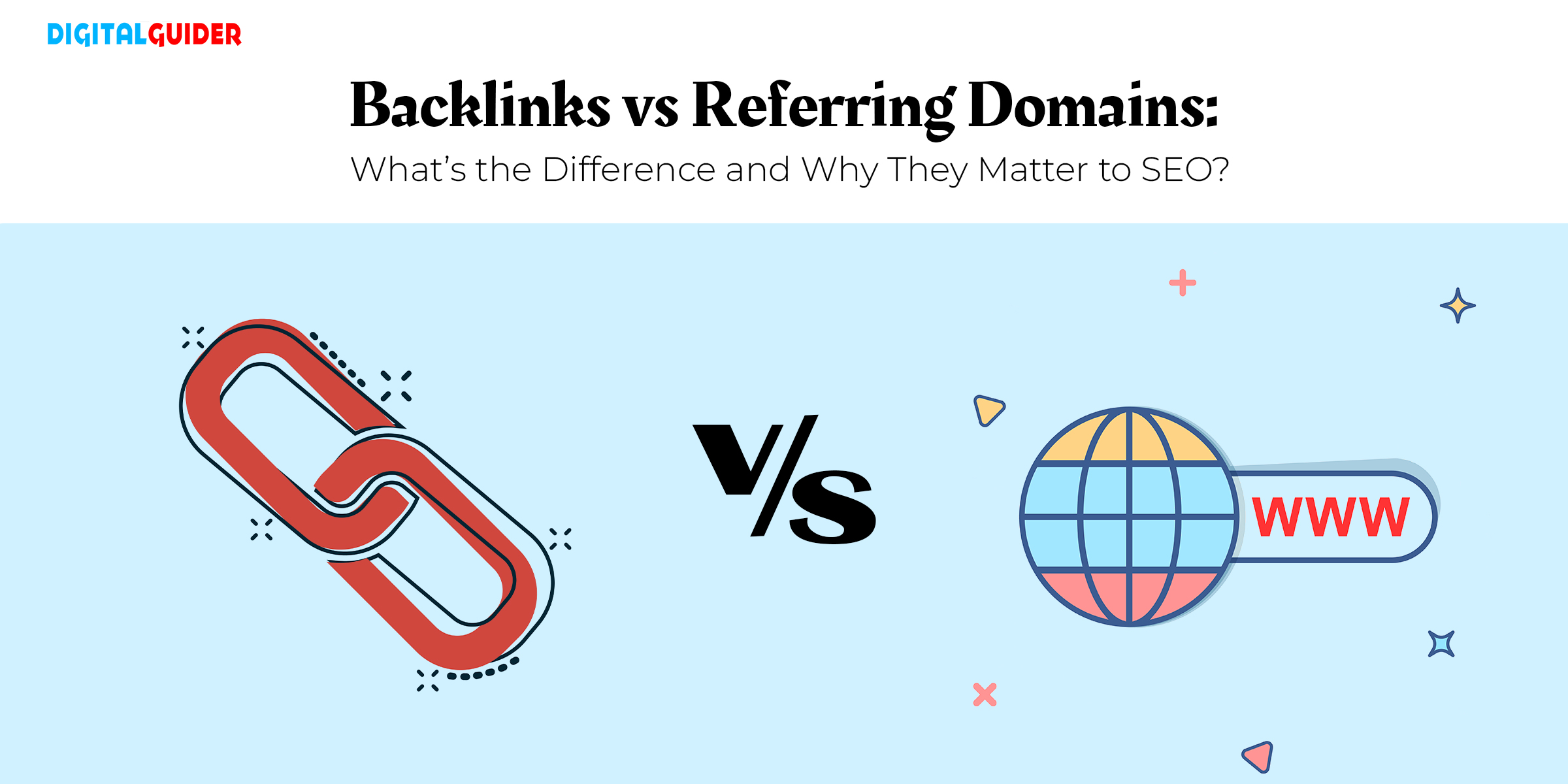
As you fine-tune your website’s content and strategy, one crucial aspect to consider is backlinks. Backlinks are links from other websites that point to your own, and they play a significant role in SEO. Think of backlinks as votes of confidence; the more high-quality votes you receive, the more credible your site appears to search engines.
Here’s why backlinks are so vital:
- Improved Authority : Websites with a robust backlink profile are seen as more authoritative and trustworthy by search engines.
- Enhanced Visibility : Quality backlinks can drive referral traffic, exposing your brand to new potential customers.
- Better Rankings : Search engines, particularly Google, consider backlinks a key factor in determining a page’s ranking. High-quality backlinks can positively influence your position in search results.
Strategies for Obtaining High-Quality Backlinks
Now that you understand their importance, how do you build these valuable links? Here are some effective strategies:
- Content Creation : Produce high-quality, shareable content, such as informative blog posts or engaging infographics, that naturally attract backlinks.
- Guest Blogging : Reach out to reputable websites in your niche to offer guest posts in exchange for a backlink to your site. This builds relationships and credibility.
- Broken Link Building : Find broken links on popular sites and offer your content as a replacement. This is beneficial for both parties, as it helps them fix broken links while providing you with a new backlink.
- Social Media Promotion : Share your content on social media platforms to increase visibility. The more people see your content, the higher the chances some will link back to it.
By focusing on building quality backlinks, you can enhance your site’s authority, visibility, and overall performance in search engine results, establishing a stronger foundation for your SEO efforts.
Mobile Optimization and SEO
Mobile-Friendly Design Best Practices
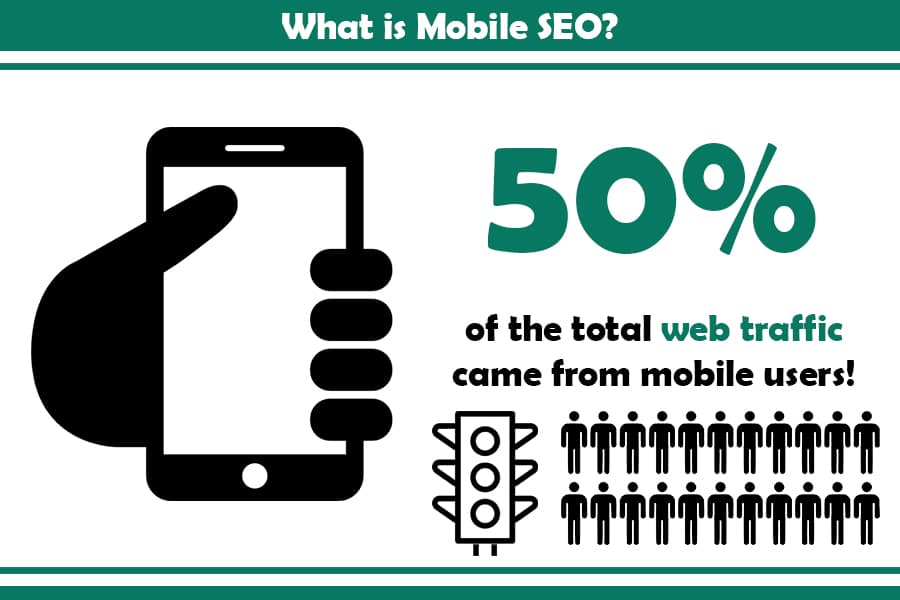
With the increasing number of users accessing websites from mobile devices, optimizing your site for mobile is no longer optional—it’s a necessity. A mobile-friendly design ensures that your users have an optimal experience, regardless of the device they are using.
Here are some best practices for mobile-friendly design:
- Responsive Design : Ensure your website adjusts seamlessly to different screen sizes and orientations. This means your content should appear well-structured on both mobile and desktop.
- Fast Loading Times : Mobile users are often on the go, so quick loading times are critical. Aim for your pages to load in under three seconds.
- Simplified Navigation : Use a user-friendly menu and keep navigation straightforward. Large buttons and easily clickable links enhance the user experience.
- Readable Fonts : Choose fonts that are easy to read on smaller screens, avoiding overly complex or decorative fonts. A font size of at least 16px is recommended.
Mobile SEO Optimization Techniques
In addition to having a mobile-friendly design, implementing mobile SEO optimization techniques is crucial for improving your site’s performance in search rankings.
Consider these mobile SEO techniques:
- Optimize for Local Search : Many mobile searches are local. Include local keywords and ensure your name, address, and phone number (NAP) are consistent across listings.
- Mobile Sitemaps : Create a separate sitemap for the mobile version of your website or ensure your existing sitemap is correctly configured for mobile URLs.
- Use Schema Markup : Incorporating Schema.org markup helps search engines understand your content better and can enhance search visibility with rich snippets.
- Regular Testing : Use tools like Google’s Mobile-Friendly Test to evaluate your website’s performance on mobile. Regularly check to ensure your site continues to meet mobile optimization standards.
By focusing on mobile-friendly design and employing effective mobile SEO techniques, you can significantly improve user experience and enhance your website’s rankings in mobile search results. This ensures that you capture and retain the growing audience of mobile users, providing them with the content they seek.

Measuring SEO Performance
Tracking Key Performance Indicators
As you implement your SEO strategies, measuring performance becomes crucial to understand what’s working and what needs improvement. Tracking Key Performance Indicators (KPIs) helps you gauge the effectiveness of your efforts and make informed decisions going forward.
Here are some essential KPIs to monitor:
- Organic Traffic : Measure the number of visitors coming from organic search results. An increase in organic traffic indicates that your SEO tactics are effective.
- Keyword Rankings : Keep track of how well your target keywords are performing over time. This will help you understand which keywords are driving traffic and which need more focus.
- Conversion Rate : Analyze the percentage of visitors who take specific actions (like signing up for a newsletter or making a purchase). A higher conversion rate indicates that your content resonates with users.
- Bounce Rate : Monitor how quickly users leave your site after landing on a page. A high bounce rate might suggest that your content or user experience needs improvement.
Using Google Analytics for SEO Analysis
Google Analytics is a powerful tool that can help you track these KPIs and gain deeper insights into your SEO performance.
Here’s how to leverage Google Analytics for effective SEO analysis:
- Set Up Goals : Define specific goals in Google Analytics to track conversions and user engagement more accurately.
- Review Acquisition Reports : Use the “Acquisition” section to see how much of your traffic is coming from organic search and which keywords are driving that traffic.
- Analyze User Behavior : The “Behavior” section allows you to see how users navigate your site, what pages they visit, and where they drop off. This information can aid in optimizing user experience.
- Monitor Mobile Performance : Check how your site performs across different devices, ensuring that your mobile optimization strategies are effective.
By effectively tracking KPIs and utilizing Google Analytics, you can make data-driven adjustments to your SEO strategy. This ongoing analysis will not only enhance your website’s performance but also help you stay ahead of the competition.

Common SEO Mistakes to Avoid
Ignoring Technical SEO
As you dive into the world of SEO, one common mistake that can have a significant negative impact on your website’s performance is ignoring technical SEO. This crucial aspect ensures that your site meets the technical requirements set by search engines, affecting how well it crawls and indexes your pages.
Some key elements of technical SEO to consider include:
- Site Speed : A slow-loading website can frustrate users and lead to higher bounce rates. Aim for loading times under three seconds.
- Mobile Responsiveness : With more users accessing websites on mobile devices, it’s essential to ensure your site is mobile-friendly.
- XML Sitemap : Creating and submitting an XML sitemap helps search engines understand your site’s structure and find all your important pages.
- 404 Errors : Regularly check for and fix broken links. A high number of 404 errors can diminish user experience and hurt your rankings.
Overlooking Local SEO Optimization
Another prevalent mistake is overlooking local SEO optimization, especially for businesses serving specific geographic areas. Local SEO ensures your website ranks well in localized search results, making it easier for potential customers in your area to find you.
To enhance your local SEO, consider the following strategies:
- Google My Business : Claim and optimize your Google My Business listing to appear in local search results and Google Maps.
- Local Citations : Ensure your business details (name, address, phone number) are consistent across all local directories and websites.
- Customer Reviews : Encourage satisfied customers to leave positive reviews, as these not only build trust but also influence local search rankings.
- Localized Content : Create content that targets local events, news, or activities relevant to your audience.
By addressing these common SEO mistakes, you can create a solid foundation for your website’s performance, leading to better visibility and increased traffic. Remember, successful SEO involves a holistic approach that encompasses technical, local, and content strategies.