
Introduction
Importance of SEO
Search Engine Optimization (SEO) has become an indispensable tool for anyone looking to establish a strong online presence. In today’s digital landscape, where countless websites compete for attention, it is crucial not only to be present but also to be visible. A well-optimized site can lead to higher rankings on search engines, which translates to increased traffic, credibility, and ultimately, revenue.
For instance, a small business that implements effective SEO strategies may witness a significant spike in visits from potential customers who were previously unaware of its existence. This newfound visibility can be the difference between thriving and merely surviving in competitive markets.
Here are a few key reasons why SEO is critical:
- Enhanced User Experience: Good SEO practices improve your site’s usability and user experience, making it easier for visitors to find the information they need.
- Increased Organic Traffic: By optimizing your content and keywords, you attract more visitors without the need for paid advertisements.
- Cost-Effective Marketing: Compared to traditional advertising methods, SEO offers a better return on investment as it targets users actively searching for what you offer.
- Long-Term Results: SEO is a long-term strategy that, when executed correctly, can deliver sustainable traffic and visibility.
Benefits of SEO Check
Part of an effective SEO strategy is conducting regular SEO checks. An SEO check involves analyzing various metrics and elements of your website to ensure it adheres to the best practices of search engine optimization.
Here are some of the key benefits of performing these checks:
- Identifying Issue Areas: Regular SEO checks help identify technical issues such as broken links, slow loading speeds, or poor mobile optimization, which may hinder your site’s performance.
- Improving Ranking Metrics: By understanding what areas require improvement, businesses can make the necessary adjustments to boost their rankings on search engine results pages (SERPs).
- Staying Updated with Trends: SEO is constantly evolving, and regular checks help businesses stay ahead of changes in algorithms, search behaviors, and industry trends.
- Competitor Analysis: Regular SEO checks can also provide insights into how competitors are performing, allowing businesses to adjust strategies effectively.
In a personal example, one small business owner I know used to rely solely on word-of-mouth marketing. When they finally decided to invest in an SEO check, they were surprised to discover that their site had several issues resulting in poor visibility. After addressing those problems, not only did their site traffic increase significantly, but they also saw a corresponding growth in sales.
In summary, the importance of SEO and the advantages of conducting regular SEO checks cannot be overstated. For businesses looking to grow, enhance visibility, and maintain a competitive edge, integrating SEO as a foundational element of their online strategy is essential.

Understanding SEO Check
Purpose of SEO Check
Now that we understand the importance of SEO and the benefits of conducting an SEO check, let’s delve into its purpose. An SEO check serves as a comprehensive assessment of your website’s health in terms of search engine optimization. The primary goal is to identify any areas where the website may be underperforming or non-compliant with best SEO practices.
Think of it like a health check-up for your website—just as you visit a doctor to assess how your body is functioning, an SEO check helps ensure your website is performing optimally.
Reasons to conduct an SEO check include:
- Identifying Technical Problems: Issues like broken links, duplicate content, and crawl errors can severely impact your site’s performance.
- Evaluating Content Quality: Ensuring that your content is relevant, engaging, and optimized for targeted keywords is crucial for attracting and retaining visitors.
- Monitoring Competitor Performance: Understanding where your competitors stand can help inform your strategies and identify gaps in your offerings.
- Planning for Strategy Adjustments: Regular assessments allow you to modify and improve your strategy based on data-driven insights.
For example, a retail website might find during an SEO check that its product pages are not optimized for mobile devices, which could deter potential mobile shoppers and affect overall sales.
Key Components of SEO Analysis
To conduct a thorough SEO check, several key components need to be analyzed. Let’s break them down:
- Technical SEO:
- This includes checking the site’s speed, mobile responsiveness, XML sitemap, SSL certificate, and robots.txt file. An issue in any of these areas can hinder search engines from effectively crawling and indexing your site.
- On-Page SEO:
- This aspect focuses on optimizing individual web pages. Key factors include:
- Title Tags & Meta Descriptions: Crafting unique and descriptive titles and meta tags for better visibility in search results.
- Header Tags: Using headers appropriately helps structure content and signal its relevance to search engines.
- Keyword Optimization: Integrating relevant keywords naturally into the content without keyword stuffing.
- This aspect focuses on optimizing individual web pages. Key factors include:
- Content Quality:
- Analyze the quality, relevance, and originality of the content. Engaging and informative content will not only keep users on the site longer but also earn backlinks, which boost authority.
- Off-Page SEO:
- This refers to factors outside of the webpage itself, like backlinks. Evaluating the quality and quantity of inbound links can provide insight into your site’s authority.
- User Experience (UX):
- Analyze navigation, layout, and overall user experience on the website. A site that is easy to navigate can significantly improve engagement rates.
By contributing to an understanding of these components, website owners can make informed decisions that prioritize improvements. When my friend revamped her blog’s technical SEO and content quality based on previous analysis, her traffic increased by over 70% within a few months, underscoring the significance of thorough SEO checks.
In summary, understanding the purpose of an SEO check and its key components gives businesses the tools they need to navigate and thrive in the competitive online landscape. Proper analysis not only enhances visibility but also fosters sustainable growth.

How to Conduct an SEO Check
Manual vs Automated Tools
Having established the purpose of an SEO check and its key components, it’s time to explore how to actually conduct one. The first decision a website owner must make is whether to go the manual route or opt for automated tools. Both methods have their advantages and disadvantages.
Manual SEO Checks involve a hands-on approach, where individuals or teams will scour the website for potential issues and areas of improvement. This method relies on meticulous attention to detail and requires a sound understanding of SEO principles.
Advantages of Manual Checks:
- Deep Understanding: By manually analyzing the website, you gain a deeper understanding of the overall health and performance.
- Custom Insights: Manual checks allow for tailored insights based on unique goals and industry considerations.
Disadvantages of Manual Checks:
- Time-Consuming: It can be a lengthy process, especially for larger websites.
- Potential for Error: Human oversight may lead to missing critical issues.
In contrast, Automated SEO Tools utilize software to rapidly analyze various aspects of a website. These tools can provide instant insights and flag potential issues, making them appealing for those with busy schedules.
Advantages of Automated Tools:
- Speed: They can quickly identify problems across large websites.
- Comprehensive Reporting: Many tools provide in-depth reports that can help prioritize fixes.
Disadvantages of Automated Tools:
- Limited Personalization: They may not capture nuanced issues that a human would notice.
- Cost: Some advanced tools require paid subscriptions.
Popular automated tools include Google Search Console, SEMrush, and Ahrefs, among others. Choosing between manual and automated methods might depend on the size of your website and the availability of resources.
Performing Keyword Research
Another vital part of an effective SEO check is conducting thorough keyword research. Understanding the keywords your target audience uses can significantly impact your site’s visibility.
Successful keyword research consists of several key steps:
- Identify Seed Keywords: Start by brainstorming core keywords that relate to your business. For instance, if you run a bakery, your seed keywords might include “fresh bread,” “pastries,” or “birthday cakes.”
- Utilize Keyword Research Tools: Tools like Google Keyword Planner, Ubersuggest, and Moz Keyword Explorer can help identify search volume, competition, and related keywords. This data is valuable for uncovering new opportunities.
- Analyze Competitors: Checking what keywords competitors rank for can provide insights into potential gaps or areas for improvement.
- Understand User Intent: Go beyond surface-level keywords and consider whether users are looking for information, products, or services. For example, “how to bake a cake” indicates a different user intent than “buy birthday cake.”
- Build a Keyword List: Once you’ve gathered relevant keywords, organize them into a list, categorizing them based on relevance and search volume. This will serve as a guide for optimizing your content and future posts.
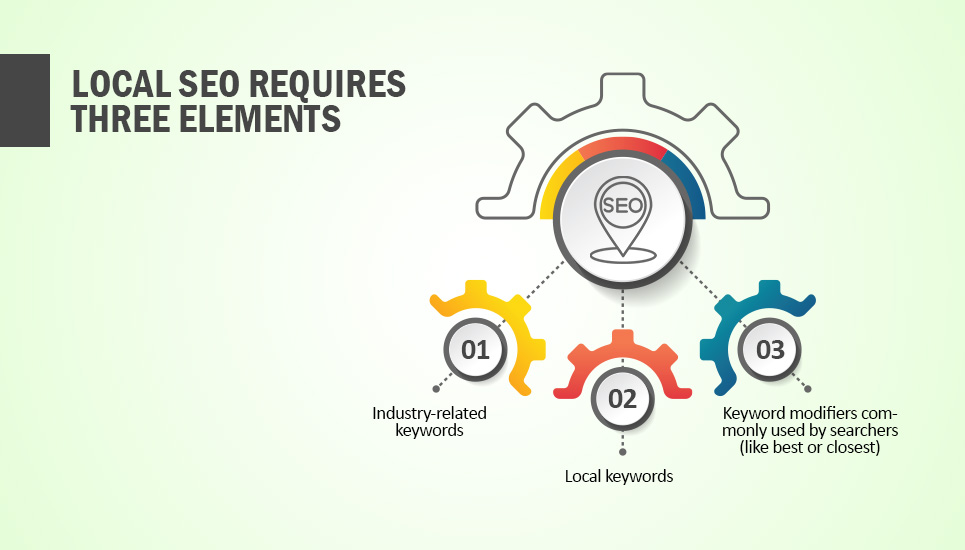
In my experience, a local business that I consulted didn’t realize they were missing out on traffic by not targeting local keywords like “best bakery in [city].” After implementing targeted keywords, their online orders significantly increased.
In summary, whether opting for manual checks or automated tools, understanding how to perform keyword research effectively is crucial for a comprehensive SEO check. Taking these steps not only enhances visibility but helps businesses connect better with their target audience.

Interpreting SEO Check Results
Analyzing Website Performance
Once the dust has settled from conducting an SEO check, the next critical step is interpreting the results. Analyzing website performance gives businesses valuable insights into how well their site is functioning in terms of SEO. It’s like going to the dentist and getting a report on your oral health—now it’s time to take a closer look at what the numbers mean.
Start by assessing several key performance indicators (KPIs) that can offer a snapshot of your website’s effectiveness:
- Organic Traffic: This reflects the number of visitors coming from search engines. A steady increase in organic traffic suggests that SEO efforts are paying off.
- Bounce Rate: A high bounce rate indicates that visitors are leaving your site quickly, which may suggest that content is not engaging or relevant.
- Average Session Duration: This metric shows how long users are staying on your site. Longer sessions typically indicate better engagement.
- Page Load Speed: Given that speed is a crucial ranking factor, slow load times can significantly hurt website performance and user experience.
For example, a website owner I know was puzzled by a high bounce rate. After conducting an SEO check, it turned out that their landing page was cluttered and unfriendly on mobile devices. By redesigning the landing page, they managed to reduce the bounce rate and significantly enhance user engagement.
Additionally, utilizing analytics tools like Google Analytics can provide in-depth insights into user behavior, allowing website owners to make data-driven decisions on what to improve.
Identifying Improvement Areas
Analyzing performance metrics sets the stage for identifying clear improvement areas. Armed with these insights, businesses can prioritize their efforts effectively.
Here are some common areas that might need attention:
- Content Optimization:
- If certain pages are not drawing traffic, it may be time to revamp the content. Adding keywords, optimizing headings, and ensuring the information is up-to-date can breathe new life into stale pages.
- Technical Issues:
- Use the SEO check results to track down technical glitches—like broken links, missing alt tags, or non-optimized images—that can harm user experience and search rankings.
- On-Page SEO Factors:
- Ensure that all on-page elements, such as title tags, meta descriptions, and URL structures, are optimized. These factors may seem minor, but they have a significant impact on SEO.
- User Experience Enhancements:
- Consider the user journey on your site. If visitors are struggling to navigate due to confusing layouts, it might be wise to simplify the navigation and improve site structure.
- Competitor Analysis:
- Once you’ve addressed your site’s needs, it’s valuable to look back at competitors. Understanding the tactics they employ can help uncover new opportunities or strategies you might want to adopt.
By focusing on these areas for improvement, businesses can create a targeted action plan that leads to enhanced SEO performance. A digital marketing team I know frequently performs audits and uses the findings to craft specific initiatives based on identified weaknesses, which has propelled their clients to higher search rankings.
In summary, effectively analyzing website performance and pinpointing improvement areas after an SEO check is key to honing strategies for better visibility and user engagement. Each small enhancement can contribute significantly to overall success in the highly competitive online landscape.
Utilizing SEO Check for Competitive Edge
Benchmarking Against Competitors
Having interpreted the results of an SEO check and identified areas for improvement, the next step is to leverage those insights for competitive advantage. One effective way to do this is by benchmarking against competitors. Understanding where you stand in relation to others in your industry can provide context to your performance metrics, guiding your marketing efforts.
Begin by gathering data on competitors in your niche. Here’s how to do it:
- Identify Key Competitors: Look for businesses that compete for the same audience. These might be direct competitors or those offering related products and services.
- Analyze Their SEO Performance: Use tools like SEMrush, Ahrefs, or Moz to examine competitor websites. Pay attention to:
- Keyword Rankings: Discover which keywords are driving traffic to their sites.
- Backlink Profiles: Look at the quality and quantity of backlinks they have. A robust backlink profile can significantly affect search rankings.
- Content Strategies: Evaluate the type of content they produce, how frequently they post, and what resonates with their audience.
For instance, one small e-commerce site I consulted managed to outperform larger competitors by identifying specific long-tail keywords that were overlooked by others. This strategic focus allowed them to achieve high rankings for niche searches and ultimately capture traffic that larger brands were missing.
By analyzing competitors in these ways, you can identify gaps in your own strategy and discover new opportunities to exploit.
Adjusting Strategies for Success
Once you have benchmarked your performance against competitors, the next step is to adjust your strategies for success. SEO is not a one-time task; it’s an ongoing process that requires adaptability and responsiveness to market changes.
Here are some strategies to implement based on the findings from your competitive analysis:
- Focus on Unique Selling Points:
- If competitors are dominating certain keywords, shift your focus to highlight unique aspects of your product or service that differentiate you. This could be customer service, product quality, or targeted promotions.
- Enhance Content Quality:
- Invest in high-quality content creation. If competitors are ranking high, see what kind of content they produce and aim to create even more valuable, informative, or engaging alternatives.
- Optimize Backlink Strategies:
- If competitors have a solid backlink profile, develop a robust outreach plan to earn backlinks from reputable websites. Guest blogging, partnerships, and digital PR can play significant roles here.
- Track New Trends:
- Regularly conduct SEO checks to stay ahead of industry trends and shifts in consumer behavior. Algorithms and user expectations change frequently; proactive monitoring can set you apart.
- Experiment with Paid Strategies:
- Sometimes, a mix of strategies, including paid advertising or social media promotions, can help reach the target audience more effectively, especially if organic methods take time to show results.
In my experience, a digital agency I worked with applied these tactics after a competitive analysis revealed opportunities in local SEO. By refining their local strategy and promoting content relevant to community events, they gained significant traction in local search results.
In conclusion, utilizing an SEO check for competitive benchmarking and adjusting strategies accordingly is crucial for achieving sustained success. By keeping an eye on competitors and remaining flexible in strategies, businesses can carve out a competitive edge in an ever-evolving digital landscape.