
Introduction
What is SEO?
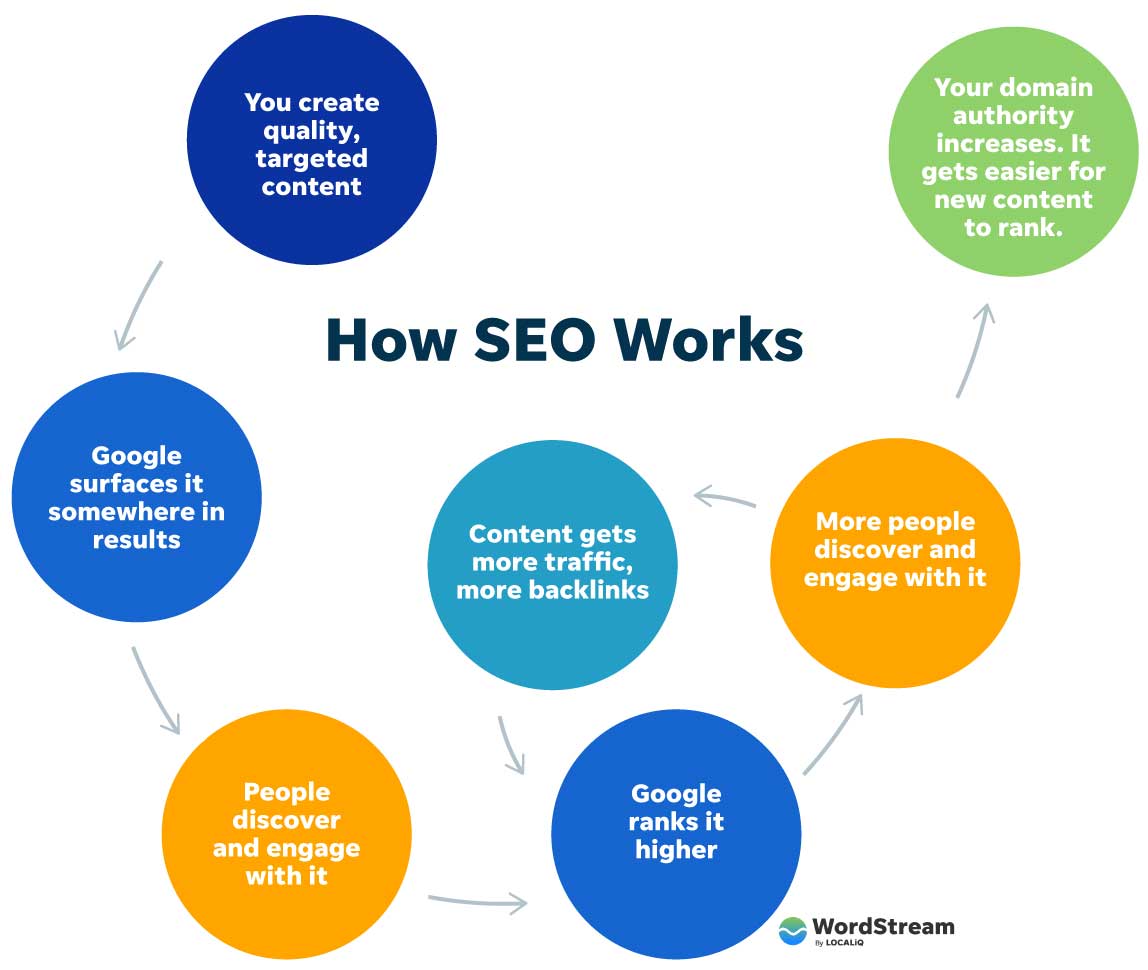
Search Engine Optimization (SEO) involves a collection of strategies designed to enhance a website’s visibility on search engines like Google. When a user types in a query, SEO ensures that relevant sites appear prominently in the search results. The goal is simple: to attract organic traffic and improve engagement in a world where countless websites are vying for attention.
Effective SEO encompasses various techniques, including:
- Keyword Research: Identifying the words and phrases users are searching for.
- On-Page Optimization: Crafting high-quality content and optimizing elements such as title tags and meta descriptions.
- Off-Page Strategies: Building a robust backlink profile and engaging on social platforms.
- Technical SEO: Ensuring website architecture supports best practices for crawling and indexing.
Why Regular SEO Checks are Necessary
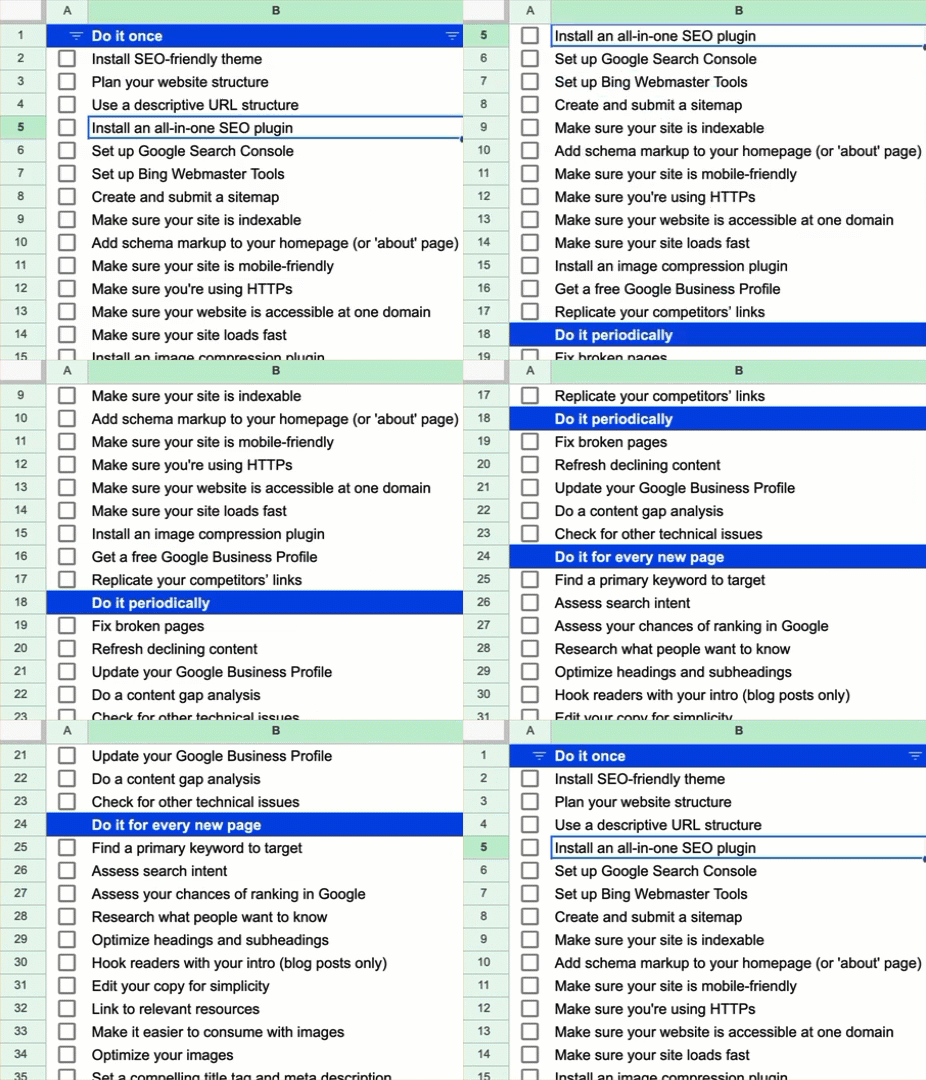
Just like maintaining a car to keep it running smoothly, regular SEO checks are essential for sustaining optimal website performance. The digital landscape is ever-evolving, meaning what worked yesterday might not work today.
Consider this: a website that was ranking high last month may drop due to algorithm changes or increased competition. Regular checks help in identifying issues early, such as:
- Broken links that lead to a poor user experience.
- Slow page load times that can deter potential visitors.
Conducting consistent SEO audits means a site is more likely to adapt to changes swiftly and retain its competitive edge.

Benefits of Regular SEO Checks
Improved Search Engine Rankings
One of the most significant benefits of regular SEO checks is the potential for improved search engine rankings. Think of your website as a garden; it requires consistent care and attention to flourish. Without regular maintenance, your rankings can easily slip due to various factors like algorithm updates or shifting trends.
When you conduct regular SEO audits, you can identify and rectify issues that may hinder your visibility, such as:
- Outdated keywords that no longer resonate with your target audience.
- Broken or lost backlinks that reduce your site’s authority.
- Content gaps where competitors may be outshining you.
For instance, after implementing consistent SEO checks, a local bakery was able to shift its focus to trending keywords like “gluten-free cupcakes” and significantly boost their search rankings for that term.
Enhanced User Experience
Regular SEO checks are not just about search engines; they also enhance the user experience. After all, a well-optimized site is a pleasure to navigate. By focusing on parameters such as page speed, mobile-friendliness, and intuitive navigation, website owners can create a more enjoyable experience for visitors.
Key aspects include:
- Faster load times that reduce bounce rates.
- Mobile optimization that ensures usability across devices.
- Easy-to-read content that keeps users engaged.
These improvements can lead to higher conversion rates. For example, an online retailer found that after optimizing their site based on SEO checks, their customer satisfaction levels soared, and sales increased by 30%. Keeping the user experience at the forefront is a crucial aspect of any successful SEO strategy.
Common SEO Issues to Look Out For
Keyword Cannibalization
One often overlooked issue in SEO is keyword cannibalization. This occurs when multiple pages on a website compete for the same keyword or phrase, causing confusion for search engines. Picture this: you have two blog posts targeting “best running shoes.” Instead of one authoritative page ranking well, both may struggle to gain visibility, reducing overall traffic.
Here are a few signs you might be experiencing keyword cannibalization:
- Multiple pages ranking for similar search queries.
- Inconsistent click-through rates (CTR) across pages.
- A decline in overall traffic for your primary keywords.
To resolve this issue, it’s crucial to perform a content audit. Consolidate similar content and prioritize one page to rank for the target term. This strategy will bolster your site’s authority on specific topics and improve overall rankings.
Indexing and Crawlability Problems
Another critical concern is indexing and crawlability. If search engines can’t effectively crawl and index your site, it won’t appear in search results. Imagine investing time and resources into creating valuable content, only for it to go unnoticed!
Common issues include:
- Blocked robots.txt files that prevent search engines from accessing important pages.
- Broken links that hinder the crawling process.
- Poor site structure that confuses search engine bots.
Regularly monitoring these aspects can ensure your content is visible to both users and search engines. A small e-commerce site, for example, fixed indexing issues by implementing proper sitemaps and robots.txt directives, resulting in a 40% increase in organic traffic within weeks! Addressing indexing and crawlability challenges is essential for maintaining robust SEO performance.
Tools for Conducting SEO Checks
Google Search Console
When it comes to conducting effective SEO checks, Google Search Console (GSC) stands out as a vital tool. This free service provided by Google offers an array of features that help website owners monitor their site’s presence in search results. Imagine it as your website’s health dashboard.
Key functionalities include:
- Performance Analysis: GSC shows how many clicks and impressions your site receives for specific queries, allowing you to identify high-performing keywords.
- Index Coverage: This feature uncovers indexing issues, so you can fix those pesky “not indexed” pages.
- Mobile Usability Reports: Since mobile traffic is paramount, GSC helps you assess and enhance your site’s mobile performance.
For example, a small local business used GSC to identify a drop in search traffic. By analyzing their performance data, they discovered some essential pages weren’t indexed, leading to significant improvements after resolving the issue.
SEMrush
Another powerful tool for SEO checks is SEMrush, which offers a comprehensive suite of features tailored for all levels of users. This robust platform provides in-depth insights into your site’s health, competitor performance, and keyword opportunities.
Here’s what makes SEMrush particularly beneficial:
- Site Audit: Regularly crawl your site to identify SEO errors that may affect your rankings.
- Keyword Magic Tool: Discover new keywords to target and refine your content strategy.
- Backlink Analysis: Examine your backlink profile and spot opportunities for growth.
A startup utilized SEMrush to track its competitive landscape, revealing gaps in their keyword strategy that allowed them to pivot effectively. By consistently using these tools, websites can ensure they remain at the forefront of SEO practices, continually improving their visibility and performance.
Steps to Perform Regular SEO Checks
Conducting Keyword Research
To start off your regular SEO checks, conducting keyword research is essential. This step helps in identifying the most relevant terms your audience is searching for, ensuring your content aligns with their interests. Think of it this way: you wouldn’t plant flowers without first knowing your garden’s climate!
Here’s how to conduct effective keyword research:
- Utilize Keyword Tools: Leverage tools like Google Keyword Planner or SEMrush to discover high-volume keywords.
- Analyze Competitors: Look at which keywords rivals are ranking for, and identify opportunities where you can compete.
- Consider Search Intent: Understand what users are looking for—are they seeking information, or are they ready to make a purchase?
For instance, a lifestyle blog observed that targeting “sustainable living tips” attracted more traffic than generic terms. By refining their focus, they connected better with their audience.
Analyzing Backlinks
The next step involves analyzing backlinks, which are crucial for determining your site’s authority. A strong backlink profile signals to search engines that your content is credible and valuable.
Here’s how to approach backlink analysis:
- Use Tools Like Ahrefs or Moz: These platforms help in examining your existing backlinks and identifying toxic links that may hurt your SEO.
- Look for Opportunities: Identify authoritative sites that could link back to your content. Guest posting or collaborations can work wonders!
- Monitor Changes: Keep track of new backlinks acquired and lost to maintain a robust profile.
A tech startup that monitored its backlinks discovered several low-quality links dragging down its reputation. By disavowing those links and focusing on quality partnerships, they improved their overall ranking significantly. Consistent keyword research and backlink analysis are key strategies to ensure ongoing SEO success.

Monitoring and Adjusting SEO Strategies
Tracking Performance Metrics
Once you’ve conducted your SEO checks and made the necessary adjustments, the next crucial step is tracking your performance metrics. This process is like using a fitness tracker; it helps you see progress and areas that need improvement. Key metrics to monitor include:
- Organic Traffic: Keeping an eye on how many visitors arrive from search engines gives a direct measure of your SEO success.
- Click-Through Rate (CTR): This metric shows how often people click on your links after seeing them in search results; a higher CTR often indicates effective title tags and descriptions.
- Bounce Rate: A high bounce rate can signal that visitors are leaving your site quickly, suggesting possible content or layout issues.
For example, a local gym started tracking their organic traffic and noticed an increase in visitors after they optimized their blog content. By regularly reviewing these metrics, they were able to refine their SEO efforts over time.
Making Necessary SEO Updates
Finally, no SEO strategy is complete without making necessary updates regularly. As trends shift and algorithm changes occur, staying dynamic is essential. Here are a few update strategies to consider:
- Refresh Outdated Content: Revisit older blog posts and update them with new information and keywords.
- Adapt to New Trends: Pay attention to emerging search trends and adjust your content strategy accordingly.
- Fix Technical Issues: Regularly check for broken links, slow page speeds, and any other technical errors that may hinder performance.
A digital marketing agency found that refreshing stale content resulted in a 50% increase in traffic to those pages. By committing to ongoing adjustments and improvements, websites not only retain relevance but also continually enhance their search visibility. Monitoring performance metrics and implementing updates ensures that your SEO strategy remains effective and responsive to change.
Case Studies of Successful SEO Strategies
Company A: From Page 2 to Page 1
Let’s take a look at Company A, a small e-commerce site specializing in eco-friendly home products. They noticed that their essential keywords were landing on Page 2 of Google’s search results, which significantly limited their visibility. Determined to turn things around, the company enlisted an SEO expert to conduct a comprehensive audit of their site.
Key steps included:
- Keyword Optimization: They identified high-volume, low-competition keywords relevant to their products and adjusted their content accordingly.
- Improving On-Page SEO: This included optimizing title tags and creating compelling meta descriptions.
- Boosting Site Speed: By compressing images and streamlining code, the site became noticeably faster.
Within three months, Company A proudly made the leap from Page 2 to Page 1 for several target keywords, resulting in an impressive uplift in traffic and sales, illustrating the power of focused SEO strategies.
Company B: Doubling Organic Traffic
Now, let’s talk about Company B, a digital marketing agency that faced stagnating organic traffic levels. Their goal was clear: to double their traffic within six months. They employed a robust strategy comprising several key components:
- Content Revamp: They updated existing blog posts to include current data and optimized them for relevant keywords.
- Targeting Long-Tail Keywords: By creating content targeting specific queries, they reached a wider audience.
- Engaging in Link Building: They actively sought out collaborations with industry influencers to bolster their backlink profile.
Remarkably, after six months of diligent SEO work, Company B not only doubled its organic traffic but also increased its lead generation significantly. This case underscores the effectiveness of tailored SEO strategies aimed at specific business goals. Both Company A and Company B highlight that with the right approach, measurable improvements in SEO performance are not just possible—they’re achievable.

Future Trends in SEO
Voice Search Optimization
As we look to the future of SEO, one trend that’s gaining undeniable traction is voice search optimization. With the rise of smart speakers like Amazon Echo and virtual assistants like Siri, more users are turning to voice commands. This shift requires businesses to rethink their SEO strategies to stay relevant.
Here’s what to consider for optimizing for voice search:
- Natural Language Queries: People tend to ask questions conversationally when using voice commands. Focus on long-tail keywords and phrases that reflect this natural speech. For example, instead of “best coffee shop,” think “What is the best coffee shop near me?”
- Local SEO Emphasis: Many voice searches are location-based. Ensuring you’re listed on Google My Business and optimizing for local keywords can help you capture this audience effectively.
- Content Structure: Use FAQ sections on your website to directly answer common questions, making it easier for voice search devices to pull your content.
For instance, a local pizza place optimized their website for voice search by focusing on natural questions, and saw a 40% increase in phone orders from voice commands.
Mobile-First Indexing
Another game-changing trend is mobile-first indexing. Google now primarily uses the mobile version of a website to rank pages, which means prioritizing mobile optimization is essential for businesses.
Here are essential steps to ensure readiness for mobile-first indexing:
- Responsive Design: Make sure your website is mobile-responsive. This means it should easily adapt to different screen sizes without compromising on user experience.
- Fast Loading Speeds: Mobile users expect quick loading times. Streamline image sizes and use efficient coding to enhance speed.
- Prioritize Content: Ensure the most important content is easily accessible and visible on mobile devices.
A marketing consultancy that focused on optimizing their mobile site experienced a significant uptick in user engagement and conversions. By keeping an eye on trends like voice search and mobile-first indexing, brands can tailor their SEO strategies to align with user behaviors and search engine algorithms, ensuring sustained growth and success in the digital landscape.
Conclusion
Recap of Importance of Regular SEO Checks
As we conclude our exploration into the world of SEO, it’s essential to recap why regular SEO checks are paramount for any online presence. Just as one wouldn’t neglect regular car maintenance, businesses must treat their websites with the same care. Regular SEO audits allow you to:
- Identify and Fix Issues: Problems like keyword cannibalization, broken links, and indexing errors can severely impact your site’s performance. Regular checks help you catch these issues early.
- Stay Competitive: The digital landscape is constantly evolving. Regular SEO assessments enable you to adapt promptly to changes in algorithms and user behavior, ensuring you stay ahead of the competition.
- Measure Success: By tracking performance metrics, you can gauge the effectiveness of your SEO strategies and adjust them as necessary.
For example, a small business owner who regularly audited her site saw a consistent increase in organic traffic, which translated into higher sales.
Call to Action for Readers to Implement Strategies
Now that you’re equipped with the knowledge about SEO checks and strategies, it’s time to take action! Start by setting a calendar reminder to perform monthly SEO audits on your website.
- Are you tracking the right performance metrics?
- Have you updated outdated content?
- Are you optimizing for emerging trends like voice search and mobile-first indexing?
Implementing these strategies will not only enhance your site’s performance but also contribute to your overall marketing goals. Remember, the digital world waits for no one—taking proactive steps today can set your path for success tomorrow. So roll up your sleeves and dive into the dynamic world of SEO; your website’s future depends on it!