

Understanding SEO Basics
Definition of SEO
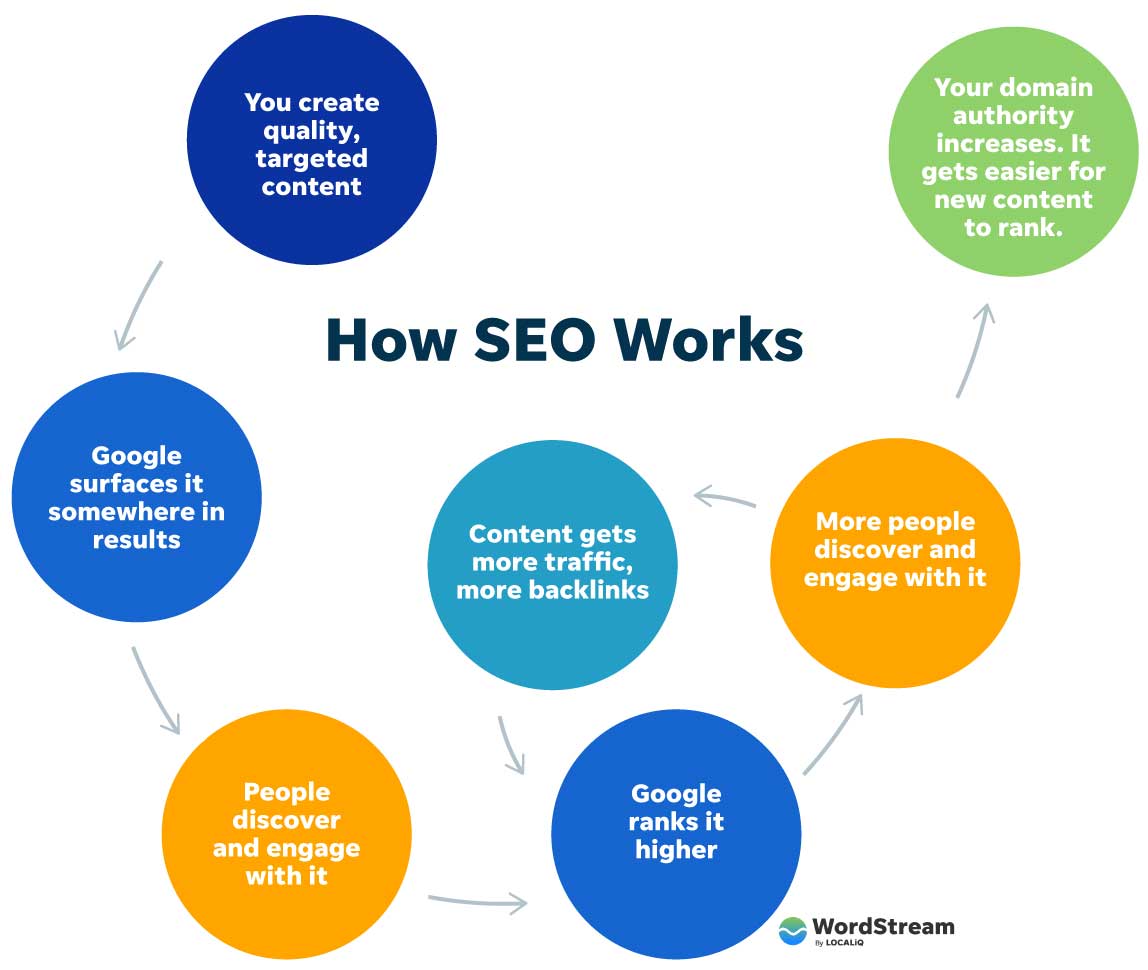
Search Engine Optimization, commonly known as SEO, is the practice of enhancing a website to increase its visibility on search engines like Google. This process involves various techniques and strategies aimed at improving a site’s ranking in search engine results pages (SERPs). Simply put, the goal of SEO is to ensure that when users search for relevant information, products, or services, your website appears amongst the top results.
SEO encompasses a variety of factors, including keywords, content quality, backlinks, technical structure, and user experience. By optimizing these elements, websites can attract organic traffic, making them more effective tools for engagement, conversions, and sales.
Importance of SEO for Websites
The significance of SEO in today’s digital landscape cannot be overstated. Here are a few reasons why SEO is vital for any website:
- Increased Visibility : High search rankings lead to higher visibility, which translates to more visitors.
- Credibility and Trust : Websites that rank higher are often viewed as more trustworthy and credible by users.
- Cost-Effective Marketing : Unlike pay-per-click advertising, organic traffic generated from SEO doesn’t incur ongoing costs.
- Better User Experience : SEO encourages the creation of high-quality content and a well-structured website, leading to enhanced user satisfaction.
For personal experience, businesses that prioritize SEO not only see an uptick in web traffic but also experience improved conversion rates, transforming casual visitors into loyal customers. As the digital world becomes increasingly competitive, an effective SEO strategy is essential for success.
How Search Engines Work
Overview of Search Engine Operations
Understanding how search engines operate is crucial for effective SEO. At their core, search engines function through a cycle of three primary processes: crawling, indexing, and ranking.
- Crawling : This is the first step where search engines use bots or spiders to discover new and updated content on the internet. Imagine a librarian searching for new books to add to their collection; this is how search engine crawlers operate.
- Indexing : After crawling, the next phase is indexing—search engines catalog the content discovered during crawling. This is akin to placing books on shelves in a library, where they can be easily retrieved. Pages that aren’t indexed won’t appear in search results.
- Ranking : Finally, when a user enters a search query, the search engine ranks the indexed pages based on relevance and quality, delivering them in the most useful order.
Importance of Crawling and Indexing
Crawling and indexing play a vital role in ensuring that your website can be found by users. Here’s why they matter:
- Visibility : If a website isn’t crawled, it won’t be indexed, meaning it won’t appear in search results.
- SEO Strategy Well-Defined : Understanding these processes helps you structure your site better for search engines, making it easier for them to navigate.
- Quick Updates : Frequent crawling allows for timely updates of content, which is essential in fast-paced industries.
For instance, a friend’s blog on trending news topics saw a significant rise in traffic after she optimized her site for crawlers, ensuring her latest posts were quickly indexed. By grasping how search engines operate, website owners can more effectively tailor their strategies for success.

Keyword Research and Analysis
Significance of Keywords in SEO
Keywords are the backbone of SEO, acting as the bridge between what users search for and the content you provide. They are the specific terms and phrases that users enter into search engines when looking for information, products, or services.
Understanding the significance of keywords is crucial for several reasons:
- Targeted Traffic : Using the right keywords helps attract users who are genuinely interested in your content, leading to higher engagement.
- Content Relevance : Keywords provide context, indicating to search engines the main topics of your content, which enhances its relevance in search results.
- Competitive Advantage : Knowledge of effective keywords allows businesses to outperform their competitors on search engine results pages.
When my colleague launched an online store, their sales skyrocketed after conducting thorough keyword research. They discovered specific phrases that potential customers were searching for, which they used to optimize their product descriptions.
Tools for Conducting Keyword Research
Several tools can assist in conducting effective keyword research, making the process more manageable and insightful. Some popular ones include:
- Google Keyword Planner : This free tool provides keyword suggestions based on search volume and competition levels.
- SEMrush : A powerful all-in-one marketing tool that allows users to analyze competitor keywords and track their performance.
- Ahrefs : Known for its comprehensive backlink analysis, it also provides a robust keyword explorer feature.
- Ubersuggest : This user-friendly tool offers keyword suggestions, search volume data, and competitive analysis.
Using these tools, businesses can identify high-ranking keywords, strategize content creation, and fit their SEO efforts seamlessly into their overall marketing plans. Ultimately, effective keyword research can significantly enhance online visibility, driving more traffic and potential conversions.
On-Page SEO Techniques
Optimizing Meta Tags
When it comes to on-page SEO, optimizing meta tags is a fundamental practice that can significantly impact your website’s search engine visibility. Meta tags serve as concise descriptors that provide both search engines and users with information about your page.
Focusing on these aspects can enhance your SEO efforts:
- Title Tags : Ensure your title tag is clear, descriptive, and includes your primary keyword. It should accurately reflect the content of the page and ideally stay within 60 characters to avoid truncation in search results.
- Meta Descriptions : This short summary should entice users to click on your link. Keep it under 160 characters, include primary keywords, and make it actionable—think of it as your website’s elevator pitch.
For example, a local bakery optimized its title and meta description with phrases like “freshly baked bread” and “order online for delivery,” leading to a noticeable increase in site traffic.
Importance of Quality Content
Quality content is the cornerstone of effective on-page SEO. It not only engages visitors but also drives search engine rankings. Here’s why quality matters:
- User Engagement : Well-written, informative content keeps users on your page longer, reducing bounce rates and signaling to search engines that your site is valuable.
- Keyword Integration : Strategically including keywords throughout your content improves relevancy, helping search engines understand what your page is about.
- Shareability : High-quality content is more likely to be shared on social media, generating backlinks and further enhancing your site’s authority.
In my experience, a client who revamped her blog posts to focus on detailed, helpful articles saw a significant uptick in organic traffic. By prioritizing quality over quantity, she built a loyal readership and strengthened her SEO strategy. Ultimately, optimizing meta tags and ensuring quality content work hand in hand to elevate your website in search engine results.

Off-Page SEO Strategies
Backlink Building
Backlink building is a crucial off-page SEO strategy aimed at improving your website’s authority and visibility in search results. Essentially, backlinks are links from other websites that lead back to your site, signaling to search engines that your content is credible and valuable.
Here are some effective tactics for building backlinks:
- Guest Blogging : Writing articles for other reputable sites in your niche allows you to insert a link back to your own site, expanding your reach and establishing authority.
- Resource Pages : Many websites maintain lists of resources or links. Reach out to these sites, showcasing your content’s value and requesting a backlink.
- Broken Link Building : Identify broken links on other websites and offer your content as a replacement. This not only helps you gain a backlink but also improves the user experience on the referring site.
For instance, a friend focused on SEO consultancy started guest blogging and quickly saw an increase in site traffic, thanks to the authoritative backlinks he generated.
Social Media Marketing for SEO
Social media marketing also plays an essential role in bolstering your off-page SEO efforts. By leveraging social platforms, you can drive traffic, increase brand awareness, and enhance your overall online presence.
Key benefits of integrating social media into your SEO strategy include:
- Increased Visibility : Sharing content across social networks expands its reach, which can lead to more shares and backlinks.
- Audience Engagement : Active engagement with your audience can foster community, driving traffic to your site as followers seek out your expertise.
- Content Promotion : Use platforms like Facebook, Twitter, and LinkedIn to promote new blog posts or products. This helps to drive initial traffic that can lead to organic sharing.
When I launched a new product for my business, I utilized social media promotions, resulting in a significant number of visitors who converted into customers. Overall, combining backlink building and social media marketing can robustly enhance your off-page SEO strategy, improving both visibility and authority online.
Technical SEO Fundamentals
Website Speed and Performance
Website speed and performance are critical components of technical SEO that can significantly affect both user experience and search engine rankings. In today’s fast-paced digital environment, users expect pages to load within just a few seconds. If a website takes too long to load, visitors are likely to abandon it, leading to higher bounce rates.
To enhance website speed, consider the following strategies:
- Image Optimization : Reduce the file size of images without sacrificing quality. Tools like TinyPNG or ImageOptim can help achieve this.
- Minimize HTTP Requests : Limit the number of elements on each page, fostering quicker load times. Combine CSS and JavaScript files where possible.
- Use Content Delivery Networks (CDN) : CDNs store copies of your site on multiple servers worldwide, ensuring users access data from the nearest location.
A colleague of mine noticed a remarkable increase in traffic after optimizing her site’s performance, ultimately reducing bounce rates and improving user engagement.
Mobile-Friendly Design
With an increasing number of users accessing websites via mobile devices, having a mobile-friendly design is now paramount in technical SEO. Google uses mobile-first indexing, meaning it predominantly uses the mobile version of a site for indexing and ranking.
Here are some key principles for creating a mobile-friendly website:
- Responsive Design : Employ a responsive design that adjusts seamlessly to different screen sizes, ensuring a consistent experience.
- Simplified Navigation : Make navigation intuitive; incorporating buttons that are easy to press with a finger can greatly enhance usability.
- Fast Loading Speeds : Mobile users are highly sensitive to loading times, so employing the same speed optimization techniques mentioned earlier is vital.
When my team redesigned our website with a focus on mobile usability, we saw not just improvement in bounce rates but also an uptick in conversions. Focusing on website speed and mobile-friendly design is essential in technical SEO, ensuring that your site delivers a great experience for all users, regardless of the device they use.

Measuring SEO Success
Key Performance Indicators (KPIs)
Measuring SEO success is essential for understanding how well your strategies are performing and identifying areas for improvement. Key Performance Indicators (KPIs) serve as quantifiable metrics that help gauge the effectiveness of your SEO efforts. Here are some critical KPIs to consider:
- Organic Traffic : This indicates the number of visitors arriving at your website through organic search results. A steady increase in organic traffic is a positive sign of effective SEO.
- Bounce Rate : This metric shows the percentage of users who leave your site after viewing only one page. A high bounce rate could indicate that your content isn’t engaging or relevant.
- Conversion Rate : Tracking how well your visitors are converting—whether that means signing up for a newsletter, making a purchase, or filling out a contact form—helps assess overall success.
A friend of mine who runs an online store closely monitored these KPIs and successfully adjusted their strategy based on the data, resulting in a significant uptick in sales.
Using Google Analytics for SEO Metrics
One of the most powerful tools for tracking your SEO metrics is Google Analytics. It provides comprehensive insights into user behavior and website performance. Here’s how to leverage Google Analytics effectively:
- Traffic Sources : Use the Acquisition report to see how much of your traffic comes from organic searches, helping you understand the effectiveness of your SEO efforts.
- User Behavior Flow : Analyze the Behavior Flow report to visualize how users navigate through your site. This can help identify content gaps or areas needing optimization.
- Goal Tracking : Set up goals within Google Analytics to measure specific actions that align with your KPIs. This could be anything from newsletter sign-ups to sales conversions.
Utilizing Google Analytics has been a game-changer for many marketers, empowering them to make data-driven decisions. By focusing on KPIs and leveraging tools like Google Analytics, businesses can gain valuable insights that lead to improved SEO performance and ultimately drive success.

SEO Tools and Resources
Analysis Tools
When it comes to effective SEO practices, having the right analysis tools at your disposal is essential. These tools can help you assess your website’s performance, monitor your competitors, and optimize your strategies. Here are some popular analysis tools to consider:
- Google Search Console : This free tool allows you to monitor your site’s performance in Google search results, track keyword rankings, and identify crawl issues.
- SEMrush : A comprehensive tool that offers insights into keyword rankings, backlinks, and competitor analysis. It’s invaluable for identifying opportunities and fine-tuning your SEO strategies.
- Ahrefs : Similar to SEMrush, Ahrefs provides extensive data on backlinks, keywords, and site audits, helping businesses improve their online presence.
I recall when I used SEMrush to analyze a competitor’s backlink profile. The insights gained allowed me to craft a more targeted backlink-building strategy for my own site.
Learning Platforms for SEO
As SEO continues to evolve, staying updated with the latest trends and techniques becomes vital. Several learning platforms offer valuable resources for anyone looking to enhance their SEO knowledge:
- Moz Academy : Offers a range of SEO courses, from beginner to advanced levels, providing a solid foundation in SEO principles.
- HubSpot Academy : Provides free courses focusing on inbound marketing and SEO strategies, making it perfect for marketers at all levels.
- Coursera : Partnering with universities, Coursera offers specialized SEO courses that delve into analytics, technical SEO, and content marketing.
When I wanted to refine my SEO skills, I took a course on HubSpot Academy, which profoundly impacted my understanding of content strategies. By leveraging analysis tools and investing in learning platforms, individuals and businesses can continuously improve their SEO tactics and stay ahead in the digital landscape.

Common SEO Mistakes to Avoid
Keyword Stuffing
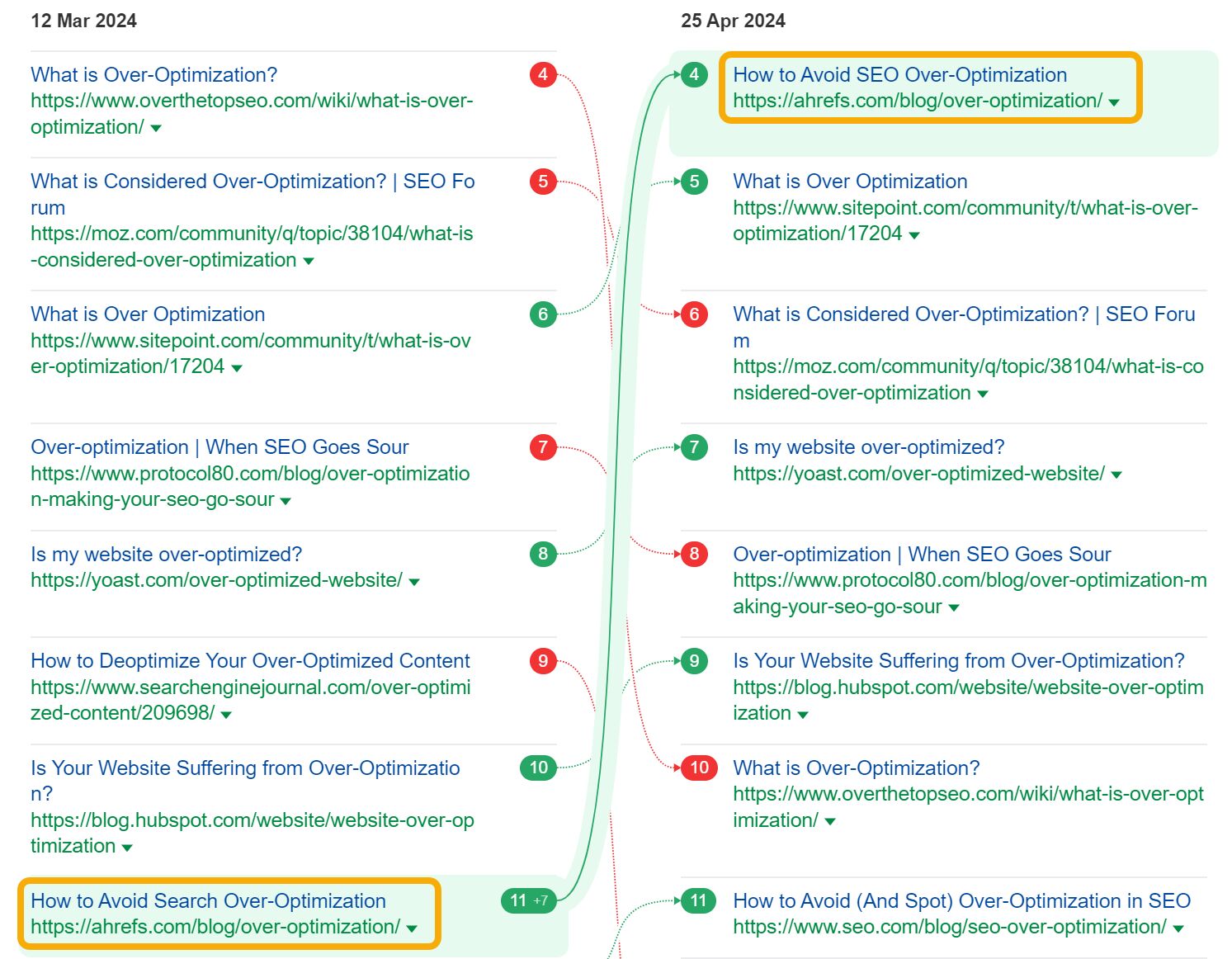
One of the most common mistakes in SEO is keyword stuffing. This occurs when website owners excessively use keywords in their content in an attempt to rank higher in search results. While keywords are essential for SEO, overdoing it can lead to several detrimental consequences.
Here’s why keyword stuffing is a mistake:
- Poor User Experience : Content that reads awkwardly due to excessive keywords can frustrate users, leading them to leave your site quickly.
- Search Engine Penalties : Search engines, including Google, have algorithms that detect unnatural keyword usage. Sites engaging in keyword stuffing may face penalties that can drop their rankings.
- Quality Over Quantity : Instead of focusing on frequency, aim for quality content that naturally incorporates relevant keywords.
I remember a client who stuffed keywords into their blog posts, but instead of improved rankings, they saw a decline in their traffic. Once they shifted to a more balanced approach, their visibility improved.
Ignoring Mobile Optimization
Another critical mistake is ignoring mobile optimization. With a substantial portion of web traffic coming from mobile devices, having a mobile-friendly site is no longer optional—it’s essential.
Here are the pitfalls of ignoring mobile optimization:
- User Experience : If your site isn’t optimized for mobile, users may struggle to navigate or read content, leading to high bounce rates.
- Decreased Rankings : Google prioritizes mobile-friendly sites in its rankings. A site that doesn’t cater to mobile users may find itself slipping down the search results.
- Lost Opportunities : With growing mobile usage, you might miss out on potential customers who prefer shopping or browsing on their phones.
When my business updated its website to be mobile-responsive, we noticed a significant increase in engagement from mobile users. By avoiding mistakes like keyword stuffing and neglecting mobile optimization, website owners can improve their SEO strategy, enhance user satisfaction, and achieve better search rankings.

Future Trends in SEO
Voice Search Optimization
As technology continues to evolve, voice search is rapidly becoming a prominent feature in how users interact with search engines. With the increasing use of virtual assistants like Siri, Alexa, and Google Assistant, optimizing for voice search is essential for staying ahead in SEO.
Here’s why voice search optimization matters:
- Conversational Queries : Users typically phrase their voice queries more naturally than typed searches. For example, instead of searching for “best Italian restaurant,” they might ask, “What’s the best Italian restaurant near me?”
- Local SEO : Many voice searches are local in nature. Ensuring that your business has accurate listings on Google My Business can significantly enhance visibility for local voice queries.
- Featured Snippets : Aim for featured snippets, as these are often the answers provided to voice search queries. Structuring your content for quick answers can boost your chances of appearing prominently.
I recently optimized my blog posts to include more conversational phrases, which led to a noticeable increase in organic traffic from voice search queries.
Artificial Intelligence’s Impact on SEO
Another significant trend shaping the future of SEO is artificial intelligence (AI). AI is impacting how search engines analyze and rank content, making it crucial for marketers to adapt their strategies.
Consider the following effects of AI on SEO:
- Algorithm Changes : Search engines are increasingly using AI to refine their algorithms, improving their ability to understand user intent and context.
- Content Creation : AI tools are being used to help generate content ideas, conduct keyword research, and even produce drafts, streamlining the content creation process.
- Personalization : AI enables more personalized search experiences. Tailoring your content to specific audience segments can boost engagement and conversions.
For example, after adopting AI-driven tools for SEO analysis, I was able to uncover valuable insights about my audience’s preferences, leading to more targeted content creation.
By embracing trends like voice search optimization and the impact of artificial intelligence, businesses can position themselves for success in the ever-evolving landscape of SEO. Staying proactive in these areas ensures improved visibility and relevance in a competitive digital world.