
Introduction
Importance of SEO Rating Analysis
In the digital age, a website is often the first interaction a potential customer has with a brand. Hence, having an optimized website is critical for success in today’s competitive online landscape. But how do you ensure your website stands out among the millions available? This is where SEO (Search Engine Optimization) rating analysis comes into play.
SEO rating analysis is the meticulous assessment of various factors affecting a website’s visibility on search engines. By analyzing these factors, webmasters can uncover unique insights into how well their site is performing and identify areas for improvement. Imagine searching for a product online and ending up on a page that takes forever to load. Frustrating, right? A good SEO rating can prevent such scenarios, ensuring a seamless user experience.
Benefits of Unlocking Website’s Potential
Optimizing your SEO not only enhances visibility but unlocks multiple benefits, including:
- Increased Traffic: Higher rankings on search engines naturally lead to increased website visits.
- Better User Experience: A well-optimized site is user-friendly, keeping visitors engaged longer.
- Higher Conversion Rates: When users find what they need quickly and easily, they are more likely to convert into customers.
For instance, consider an e-commerce site that conducted a thorough SEO analysis, identifying slow loading speeds as a barrier. After implementing targeted improvements, they noticed a 40% increase in traffic and, more importantly, a 30% rise in sales.
Overall, the importance of SEO rating analysis cannot be overstated. By unlocking a website’s potential, businesses can significantly enhance their online presence while providing a better experience for their users.
Understanding SEO Rating Analysis
What is SEO Rating Analysis?
Building on the importance of SEO rating analysis, let’s dig deeper into what it actually entails. SEO rating analysis is the process of evaluating a website’s parameters to determine its effectiveness in search engine rankings. This involves assessing various components such as:
- Content Quality: Does the content provide value to the reader?
- On-page SEO Factors: Are keywords effectively utilized in titles, headings, and meta descriptions?
- Technical SEO: Is the site optimized for speed, mobile-friendliness, and overall user experience?
By understanding these key components, webmasters can identify not just what is functioning well, but areas that require attention. For instance, a personal blog added targeted keywords but ignored site speed, resulting in high bounce rates. This illustrates how a holistic approach to SEO analysis is essential.
How SEO Rating Analysis Impacts Website Performance
A comprehensive SEO rating analysis can significantly enhance a website’s performance. Here’s how:
- Improved Visibility: A higher SEO rating means better search engine ranking. This visibility directly correlates with more traffic.
- Engagement Metrics: An optimized site is likely to keep visitors engaged longer and reduce bounce rates, contributing to better SEO scores.
- Competitive Edge: Regular analysis helps businesses stay ahead of competitors by adapting to changes in SEO algorithms and industry trends.
Consider a local restaurant that undertook SEO rating analysis to enhance its online presence. They discovered that their local search rankings were poor due to lack of local keywords. After implementing changes, they saw a substantial uptick in reservations.
In conclusion, understanding and performing SEO rating analysis sets the foundation for effective online strategy, ultimately leading to sustained growth and success.

Free Tools for SEO Rating Analysis
Google PageSpeed Insights
As we move forward in exploring effective strategies for SEO rating analysis, leveraging free tools can be a game changer. One of the standout options is Google PageSpeed Insights. This robust tool offers a detailed breakdown of your website’s loading speed and overall performance, which are critical factors influencing SEO.
How does it work? Simply enter your website URL, and within seconds, it provides a performance score along with actionable insights. Here are some notable features:
- Speed Scores: Get a score that indicates how fast your site loads on both mobile and desktop devices.
- Core Web Vitals: Analyze key metrics such as loading, interactivity, and visual stability.
- Optimization Opportunities: Receive tailored recommendations for improving page speed, like image compression and script minification.
For instance, after using Google PageSpeed Insights, a small business owner discovered that optimizing their images could significantly reduce loading time, which in turn increased user engagement.
SEMrush SEO Toolkit
Another fantastic tool for SEO rating analysis is the SEMrush SEO Toolkit. While it offers a premium version, many features are accessible for free and can tremendously aid your SEO efforts.
This toolkit provides a wealth of information, including:
- Site Audit: Identifies SEO issues on your site, from broken links to duplicate content.
- Keyword Analysis: Offers insights into how well your chosen keywords are performing and suggests new ones for optimization.
- Traffic Analysis: Understand your organic search traffic and competitor strategies.
Imagine a budding blog that relied on SEMrush to analyze its keywords. They realized many were either too competitive or not relevant. By adjusting their strategy based on SEMrush data, they increased their rankings and attracted a more targeted audience.
By utilizing these free tools, website owners can effectively forage through the complexities of SEO rating analysis and make informed decisions to enhance their online presence.

Key Metrics to Analyze
Loading Speed
Continuing our journey into the world of SEO rating analysis, it’s crucial to zero in on a few key metrics that can make or break your website’s success. One of the most significant metrics to analyze is loading speed.
Why does loading speed matter? Research shows that users expect a website to load in under three seconds. If it takes longer, they are likely to abandon the site. Here are some essential points regarding loading speed:
- User Experience: A fast-loading site creates a better experience, encouraging visitors to stay longer and explore.
- Search Engine Ranking: Google prioritizes faster sites in its search results, significantly impacting your visibility.
- Performance Metrics: Utilize tools like Google PageSpeed Insights to measure your site’s loading speed and identify areas for improvement.
For example, a local bakery improved their website speed by optimizing images and enabling browser caching. As a result, they witnessed a 25% increase in inquiries, underscoring the importance of loading speed.
Keyword Optimization
Another critical metric to focus on is keyword optimization. This refers to the strategic use of keywords to enhance your website’s visibility in search engine results. Here are a few aspects to consider:
- Keyword Research: Identify relevant keywords that potential customers are searching for. Tools like SEMrush can be invaluable here.
- On-Page SEO: Ensure that targeted keywords are naturally integrated into your headings, meta descriptions, and content.
- Long-Tail Keywords: Focus on longer phrases that are less competitive but highly relevant to your niche.
Take, for instance, an online clothing store that revamped its content with effective keyword optimization. By incorporating long-tail keywords like “sustainable summer dresses,” they managed to capture a specific audience segment, resulting in a 50% increase in organic traffic.
In summary, by tracking key metrics like loading speed and keyword optimization, website owners can gain actionable insights that directly influence their SEO performance, leading to improved user engagement and higher search engine rankings.
Improving SEO Rating
Content Optimization
As we delve deeper into improving SEO ratings, one of the most impactful strategies is content optimization. Quality content not only informs and engages your audience but also plays a pivotal role in how search engines rank your site. Here are some fundamental practices to consider:
- Relevance: Ensure your content aligns with the interests and needs of your target audience. Focus on topics that resonate with them.
- Keyword Integration: Naturally incorporate relevant keywords throughout your content. Avoid keyword stuffing, as it can hinder readability and SEO performance.
- Structure: Use headings (H1, H2, H3) to organize your content effectively. This makes it easier for readers to skim and enhances SEO by improving content hierarchy.
For example, a tech blog optimized its articles by focusing on trending topics and integrating effective keywords. This strategic alignment led to a remarkable increase in organic traffic, proving that well-crafted content can lead to tangible outcomes.
Mobile-Friendliness
Another essential aspect of improving SEO ratings is ensuring mobile-friendliness. With an increasing number of users browsing websites on their mobile devices, search engines, especially Google, prioritize mobile-responsive websites. Here are steps to enhance your site’s mobile usability:
- Responsive Design: Adopt a responsive web design that adjusts seamlessly across devices without compromising functionality.
- Fast Loading Times: Optimize images and minimize heavy scripts to ensure quick load times on mobile devices.
- Touch-Friendly Navigation: Ensure buttons are adequately spaced and that fonts are readable for users on smaller screens.
A local gym saw its membership inquiries rise after revamping its website to be more mobile-friendly. With an easy-to-navigate interface and quick loading times, they provided a better experience for potential members searching on their phones.
By focusing on both content optimization and mobile-friendliness, website owners can significantly improve their SEO ratings, ultimately driving more targeted traffic and enhancing user experiences.
Case Studies on Successful SEO Rating Analysis
E-commerce Website
Now that we understand the strategies to improve SEO ratings, let’s explore some real-world examples through case studies illustrating successful SEO rating analysis. One compelling example is an e-commerce website specializing in organic skincare products.
Initially, the website struggled with low organic traffic and high bounce rates. After conducting an in-depth SEO rating analysis, the team identified several critical areas for improvement:
- Loading Speed: By optimizing images and reducing script sizes, they improved their loading speed by 50%.
- Keyword Optimization: They performed extensive keyword research and shifted their focus to long-tail keywords specific to organic skincare, such as “natural anti-aging creams.”
- Enhanced Content: The team updated product descriptions and started a blog to share skincare tips, which helped establish authority in the niche.
The results were impressive. Within six months, the website experienced a 70% increase in organic traffic and a 40% boost in sales, demonstrating the power of targeted SEO analysis and implementation.
Blogging Platform Examples
Another noteworthy case study comes from a blogging platform that aimed to increase its readership and engagement. Initially, the blog faced challenges with visibility among numerous competitors.
The team implemented an SEO rating analysis and found room for improvement in several areas:
- Content Optimization: They revised their existing posts to include relevant keywords and engaging headlines that appealed to their audience.
- Mobile-Friendliness: A responsive design was applied to ensure a seamless experience across devices.
- Social Media Integration: They enhanced social sharing options, making it easier for readers to promote their favorite articles.
As a result, the blogging platform saw a dramatic turnaround. Reader engagement improved, with a 60% increase in average session duration and a notable rise in shares on social media.
These case studies underline the significant impact of thorough SEO rating analysis and the implementation of tailored strategies to achieve success. By learning from these examples, other businesses can refine their approach to SEO and push their online presence to new heights.
Best Practices for Continuous Monitoring
Regularly Updating Website Content
As your journey towards optimal SEO continues, the importance of continuous monitoring cannot be overstated. One of the best practices for maintaining strong SEO performance is to regularly update your website content. Search engines favor fresh content, which can lead to improved rankings and increased traffic. Here are some effective strategies to keep your content current:
- Content Refreshes: Periodically review older posts and update them with the latest information, statistics, or trending keywords. This technique not only enhances relevancy but can also reinvigorate traffic.
- Blog Posts: Create a content calendar to ensure a consistent flow of new articles. Relevant, high-quality blog posts can attract backlinks and new visitors.
- User Engagement: Encourage comments and discussions on your blog. Shaping content around user feedback can address audiences’ needs and concerns directly.
For example, a gardening blog that regularly updated its articles with seasonal advice saw a 30% boost in visitors during peak planting seasons, illustrating how timely updates can capture audience interest.
Utilizing Analytics Tools
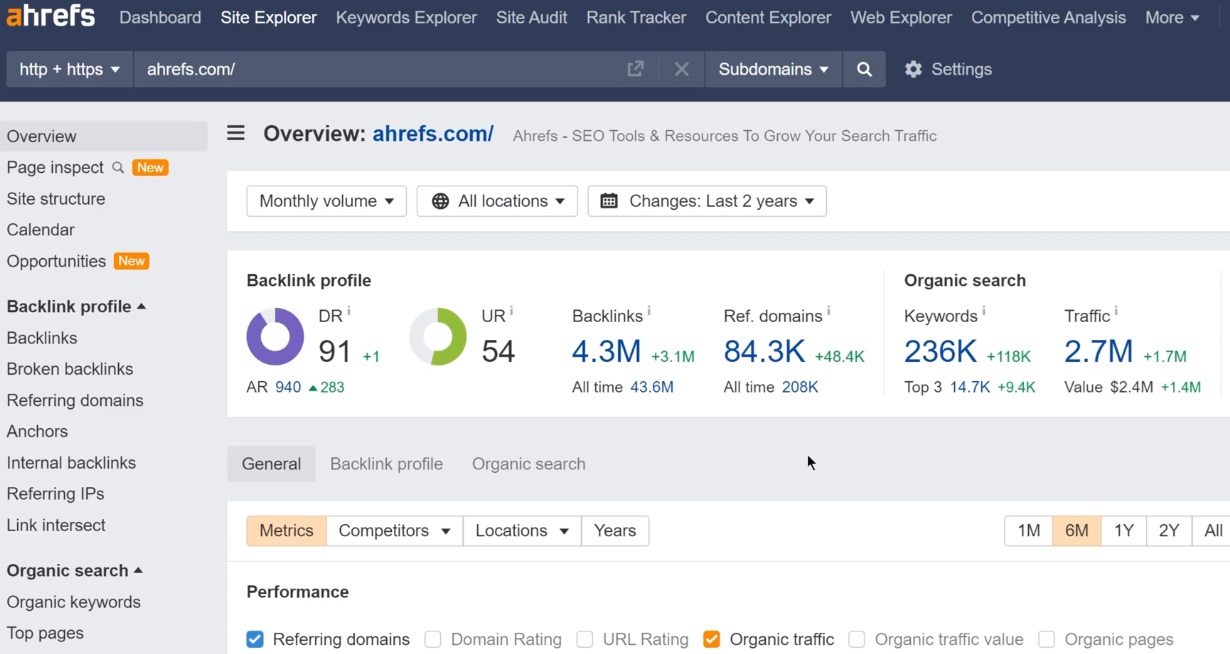
Another vital aspect of continuous monitoring is utilizing analytics tools. Tools like Google Analytics, SEMrush, or Ahrefs can provide invaluable insights into how your website is performing. Here’s how to make the most of these tools:
- Traffic Analysis: Assess which pages are receiving the most visits and where users are dropping off. These insights can guide your improvement strategies.
- Keyword Performance: Monitor how your targeted keywords are ranking over time. Adjust your content strategy based on keyword performance shifts.
- User Behavior: Analyze bounce rates and average session durations to understand user engagement. High bounce rates may indicate that your content needs refinement.
A website specializing in fitness found that the pages with the highest bounce rates were due to misleading titles. By aligning content more closely with user expectations, they improved their session duration by 50%.
By implementing these best practices—updating your website content regularly and utilizing analytics tools for ongoing assessment—you can ensure your SEO efforts remain effective and continue to drive success over time.

Conclusion
Recap of Benefits
As we wrap up our discussion on SEO rating analysis, it’s essential to recap the myriad benefits of implementing effective SEO strategies. From our journey, we’ve seen that a solid SEO rating can lead to:
- Increased Visibility: A well-optimized site climbs the ranks in search engine results, making it easier for potential customers to find you.
- Enhanced User Experience: Fast loading speeds and mobile-friendly designs keep visitors engaged and encourage them to explore further.
- Higher Conversion Rates: By optimizing content and ensuring it aligns with user intent, businesses can see a significant uptick in conversions.
- Sustained Growth: Regular content updates and thorough analysis mean businesses stay competitive in their audience’s ever-evolving landscape.
For example, an e-commerce site that effectively identified gaps in its SEO strategy could transform its traffic and sales numbers, proving that these optimization efforts pay off substantially.
Next Steps for Implementing SEO Rating Analysis
Moving forward, the next steps for implementing SEO rating analysis should be straightforward yet impactful:
- Conduct an Initial SEO Audit: Use free tools like Google Analytics and SEMrush to assess your current website performance.
- Set Clear Goals: Define what you want to achieve, whether it’s increasing traffic, improving conversion rates, or enhancing user engagement.
- Develop an Action Plan: Based on your audit results, outline actionable steps for content optimization, keyword integration, and mobile-friendliness.
- Monitor Progress Regularly: Schedule periodic reviews to assess the effectiveness of implemented changes and adapt your strategies accordingly.
A local bookstore recently followed these steps and, after just a few months of consistent effort, saw their online sales double.
By embracing these proactive measures, businesses can successfully navigate their SEO journeys, drive continuous improvement, and ultimately unlock their website’s full potential. The road to enhanced SEO and online success is paved with thoughtful analysis and strategic actions.