
Introduction
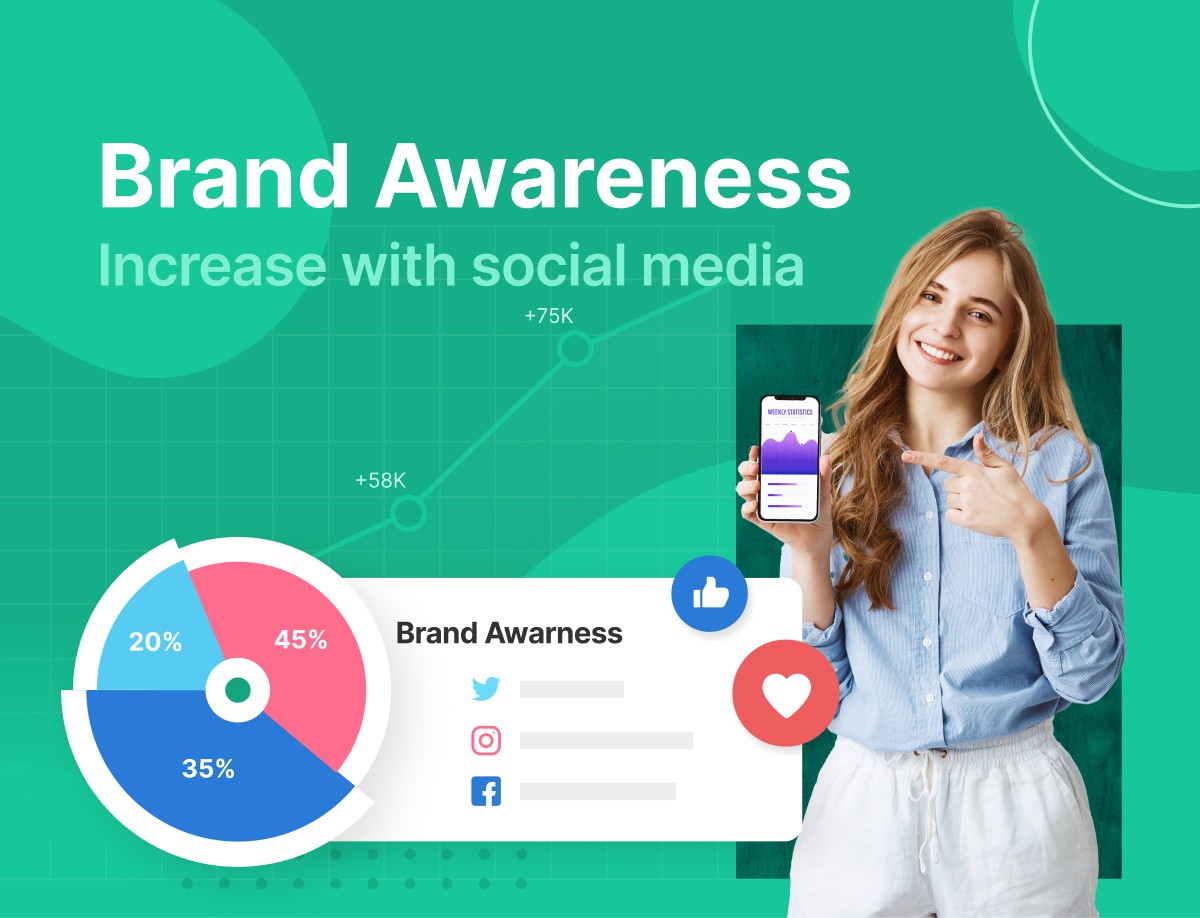
In today’s interconnected world, social media marketing has become an essential component of any successful business strategy. With billions of active users across various platforms, brands have unprecedented access to their target audiences. Social media isn’t just a trend; it’s a powerful tool that can drive engagement, increase brand awareness, and ultimately boost sales.
The Digital Playground
Having personally navigated the intricacies of social media marketing for several small businesses, one key takeaway is that it requires both creativity and strategy. Companies are no longer just competing with each other; they’re vying for the attention of users who constantly scroll through their feeds. This requires a concrete plan that resonates with audiences and stands out amidst the noise.
Consider how traditional marketing methods have changed, where advertisements were often a one-way communication channel. Social media allows for real-time interactions, meaning audiences can voice their opinions, ask questions, and provide feedback instantly. This interactivity transforms the marketing landscape, making it more dynamic and engaging than ever before.
Social Media’s Vast Reach
When crafting a social media marketing strategy, it’s vital to understand the reach and influence of various platforms. Here’s a quick breakdown:
- Facebook : Over 2.8 billion active users, great for community engagement and advertising.
- Instagram : Highly visual platform ideal for brands that can leverage stunning visuals and stories.
- Twitter : Known for its fast-paced nature, perfect for real-time updates and engagement.
- LinkedIn : The go-to platform for B2B marketing and networking.
These platforms provide unique benefits that cater to different audiences. Thus, understanding where your customers are is crucial for building a successful social media presence.
As we navigate the intricacies of social media marketing in this blog, the upcoming sections will delve deeper into strategies, content creation, advertising, and how to effectively measure success. Let’s dive in!
Understanding Social Media Marketing
As we delve deeper into social media marketing, it’s essential to grasp its nuances and recognize its transformative impact on how brands and customers interact. The very foundation of social media marketing lies in its ability to connect, engage, and convert audiences, making it a pivotal element for any business today.
Benefits of Social Media Marketing
The advantages of social media marketing are multifaceted. Reflecting on my experiences with various clients, I’ve witnessed firsthand how leveraging these platforms can yield significant results. Here are some key benefits:
- Enhanced Brand Awareness : A robust social media presence can help businesses reach new audiences and extend their brand’s visibility. For instance, a simple post could go viral, reaching thousands more than initially anticipated.
- Increased Website Traffic : Directing traffic from social media to a business site is crucial. Create compelling posts that encourage followers to visit your website for promotions or new products.
- Improved Customer Engagement : Social media provides a space for two-way communication. Responding to comments or messages promptly builds trust and fosters deeper relationships with customers.
- Cost-Effective Marketing : Compared to traditional methods, social media campaigns often require less budget while providing measurable results.
Overview of Social Media Platforms
Each social media platform has its own unique characteristics and user demographics, making them suitable for different marketing strategies. Here’s a brief overview:
| Platform | Unique Features | Best For |
|---|---|---|
| Versatile for ads and community building | General outreach and engagement | |
| Focus on visuals, great for brands via images | Younger demographics, lifestyle brands | |
| Fast-paced updates, trending topics | Real-time engagement and news | |
| Professional networking | B2B marketing and thought leadership | |
| TikTok | Short, creative videos | Younger audiences, viral trends |
Understanding the strengths and placements of each platform can exponentially enhance your social media marketing effectiveness. This is crucial as businesses aim to connect meaningfully with their audience. In the following sections, we’ll explore how to create a strong and effective social media strategy that harnesses these insights.
Creating a Strong Social Media Strategy
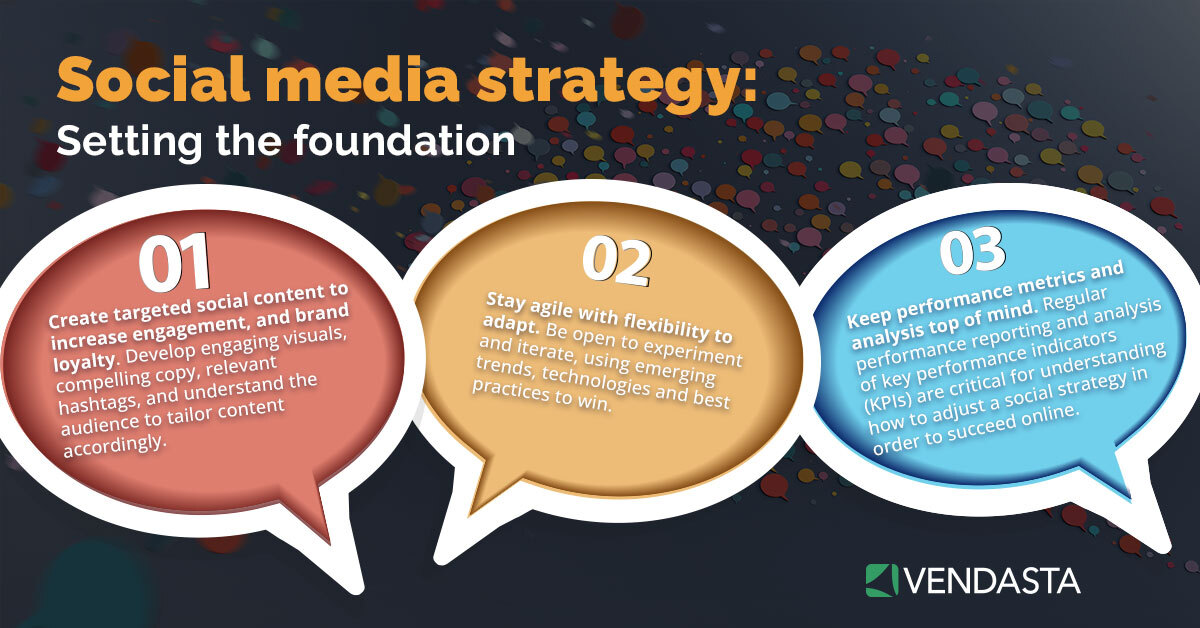
To harness the power of social media effectively, businesses must create a comprehensive strategy tailored to their unique objectives and audience. This framework not only guides content creation but also ensures consistent messaging across platforms.
Setting Clear Goals
Before diving into social media marketing, it’s essential to set clear, measurable goals. This allows brands to track progress and adjust their strategies as needed. From my experience, many businesses fail to define their goals upfront, leading to scattered efforts with little tangible results. Here are common objectives that businesses often pursue in their social media efforts:
- Increase Brand Awareness : Aim for a specific percentage increase in followers or engagement levels over a set timeframe.
- Generate Leads : Define how many leads you want to acquire through your social media channels each month.
- Boost Website Traffic : Target an increase in website visits directly from your social media platforms.
- Enhance Customer Engagement : Set a goal for a number of likes, shares, or comments per post to strengthen community interaction.
By establishing these goals, businesses can create focused content that resonates with their audience.
Identifying Target Audience
Understanding the target audience is a critical aspect of any social media strategy. Know who your ideal customers are to tailor content that speaks directly to their needs and preferences. This involves diving deep into various factors, including:
- Demographics : Age, gender, location, and income level play a significant role in defining your audience.
- Interests and Behaviors : What does your ideal customer enjoy? Are they passionate about sustainability, technology, or fitness?
- Pain Points : What challenges do they face that your product or service can solve?
Utilizing tools like customer surveys or social media insights can help refine this understanding.
Once businesses pinpoint their audience, they can tailor messaging and content in a way that feels personal and relevant, driving higher levels of engagement. In the next section, we will explore effective content creation strategies that align with these strategic goals and audience insights.
Implementing Effective Content Creation
With a solid strategy and clear goals in place, the next vital step is crafting compelling content that resonates with the target audience. Content is the heart of social media marketing, as it reflects a brand’s personality and engages users.
Types of Content for Social Media
There is a diverse range of content types that businesses can leverage to engage their audience effectively. Based on my experience, incorporating a variety of formats keeps the feed dynamic and appealing. Here are some popular content types:
- Images : Eye-catching visuals can convey messages quickly. High-quality images of products or behind-the-scenes shots humanize a brand.
- Videos : Engaging and informative videos tend to capture interest more than other formats. Live videos or tutorials are popular for showcasing products in action.
- Stories : Platforms like Instagram and Facebook have opened the door for story content, which offers a glimpse of daily operations, special promotions, or user-generated content.
- Infographics : Visual representations of data make complex information easier to digest and shareable.
- Polls and Quizzes : Engaging users with interactive content encourages participation and can be a fun way to gather insights about preferences.
Best Practices for Engaging Content
Creating content is only half the battle; ensuring it effectively engages the audience is where the real challenge lies. Here are some best practices to consider:
- Know Your Brand Voice : Maintaining a consistent tone and style reinforces brand identity. Whether humorous, authoritative, or friendly, find what fits.
- Prioritize Quality Over Quantity : Focus on delivering valuable content rather than churning out posts. Quality resonates more deeply with followers.
- Encourage Interaction : Include calls-to-action that prompt your audience to comment, share, or participate. For instance, asking questions can stimulate discussion and engagement.
- Utilize Hashtags Wisely : Hashtags can amplify reach but should be relevant and not overused. Employ a mix of trending and niche-specific hashtags.
By integrating these content types and best practices, businesses can foster meaningful connections with their audience and enhance overall engagement. Next, we’ll explore how to utilize social media advertising to boost visibility and reach new customers.
Utilizing Social Media Advertising
With engaging content established, the next step in elevating social media marketing efforts is the strategic use of social media advertising. Paid promotions can significantly enhance visibility, allowing brands to reach wider audiences beyond their organic reach. Two giants in the advertising space are Facebook and Instagram, each offering unique advantages.
Facebook Ads
Facebook remains one of the most powerful platforms for social media advertising, thanks to its extensive user base and robust targeting options. Having run Facebook ads for various clients, I can attest to their effectiveness in generating leads and boosting sales. Here are some noteworthy features:
- Targeting Capabilities : You can target demographics like age, location, interests, and behaviors. For example, if a client sells eco-friendly products, ads can specifically target users interested in sustainability.
- Ad Formats : Facebook offers diverse ad formats – from single-image ads to carousel ads featuring multiple products. With this variety, brands can choose the format that best showcases their offerings.
- Cost-Effective Options : You can control your budget with options for daily or lifetime spending limits, making it accessible for both small businesses and larger brands.
Instagram Ads
Instagram, as a visually-driven platform, provides a unique opportunity for brands to tell their stories through compelling imagery and videos. As someone who enjoys crafting Instagram campaigns, I’ve seen the power of visually striking ads firsthand. Key benefits include:
- Visual Appeal : Instagram ads can take the form of photos, videos, or stories, making them perfect for brands with visually appealing products or services. A well-composed image can capture attention instantly.
- User Engagement : Because Instagram emphasizes interaction, ads can encourage users to like, comment, or share, amplifying your message through organic reach.
- Shoppable Posts : With features that allow users to shop directly from the ad, brands can create a seamless customer journey that boosts conversions.
By effectively harnessing Facebook and Instagram ads, businesses can elevate their social media presence, engage potential customers, and drive sales. The next section will address how to engage with followers and build lasting relationships to complement advertising efforts.

Engaging with Followers and Building Relationships
After investing in advertising and creating captivating content, the next crucial step is fostering genuine engagement with followers. Building strong relationships with the audience enhances loyalty and encourages organic growth. Engaging with followers is not just about pushing sales; it’s about creating a community around the brand.
Responding to Comments and Messages
One of the simplest yet most effective ways to engage is by promptly responding to comments and messages. Having managed social media accounts, I’ve learned that timely interaction can significantly influence followers’ perception of a brand. Here are some tips:
- Show Genuine Interest : When followers leave comments, whether praise or criticism, respond thoughtfully. A “thank you” for positive feedback or an assurance in response to a concern can go a long way.
- Embrace Feedback : Constructive criticism is a gift. Responding positively to feedback not only helps refine your approach but also demonstrates that you value customer opinions.
- Create Conversations : Encourage dialogue by asking follow-up questions. For example, if a follower shares their experience, ask them to elaborate or share tips of their own. This two-way interaction fosters community.
Hosting Giveaways and Contests
Another effective strategy for engaging followers is hosting giveaways and contests. These not only excite your audience but also encourage sharing and brand visibility. Based on practical experience, here are some best practices for successful contests:
- Set Clear Rules : Clearly outline the steps to enter, whether it’s liking a post, tagging friends, or sharing content. Simplicity encourages participation.
- Choose Relevant Prizes : Select prizes that resonate with your audience. For businesses in the beauty industry, offering a popular product or gift card can attract attention.
- Promote the Contest : Use all available channels to promote the giveaway. Encourage participants to share the contest with their own followers to amplify reach.
By actively engaging with followers and hosting fun, interactive events, brands can cultivate loyal communities that not only support the business but also advocate for it. As we move into the final section, we’ll explore how to analyze and measure success in your social media marketing efforts.
Analyzing and Measuring Success
Having actively engaged with followers and driven growth through strategic social media marketing, the final step is to analyze and measure success. This part is crucial as it enables businesses to understand what works, what doesn’t, and how to refine future efforts.
Key Metrics to Track
When it comes to measuring social media success, several key performance indicators (KPIs) should be prioritized. From my experience, focusing on the right metrics has greatly improved campaign outcomes. Here are some essential KPIs to keep an eye on:
- Engagement Rate : This encompasses likes, shares, comments, and overall interaction with posts. A high engagement rate indicates that your content resonates with the audience.
- Reach and Impressions : While reach shows how many unique users have seen your content, impressions reflect the total number of times your content appeared in users’ feeds. Both metrics help gauge overall visibility.
- Follower Growth Rate : Rather than just tracking total followers, monitor the rate of growth. This will inform how effective your content and campaigns are at attracting new audiences.
- Click-Through Rate (CTR) : If you’re directing users to your website, tracking how many clicks result from your social media posts is critical in measuring conversion effectiveness.
Tools for Analyzing Social Media Performance
There are various tools available to help track these metrics efficiently. As someone who has leveraged different platforms, here are some favorites:
- Google Analytics : Excellent for tracking website traffic from social media campaigns, allowing insights into user behavior once they land on your site.
- Hootsuite : This all-in-one platform enables you to manage multiple social media accounts, schedule posts, and track engagement metrics effortlessly.
- Sprout Social : A robust analytics tool that provides detailed reports on engagement, reach, and performance across various social media channels.
- Facebook Insights : This built-in tool provides comprehensive metrics on engagement, demographics, and the effectiveness of individual posts.
By diligently tracking these key metrics and utilizing excellent analytical tools, brands can fine-tune their strategies and ensure continual growth and engagement. As we conclude this journey through social media marketing, remember that success lies in understanding your audience, creating valuable content, and continually evolving with the landscape.