

Understanding SEO Keywords
What are SEO Keywords?
SEO keywords are specific words or phrases that users input into search engines when looking for information. These keywords are crucial because they connect the searcher’s intent with the content available online. For example, if someone types “best running shoes for flat feet,” they are seeking targeted information that addresses their specific needs.
In the digital landscape, identifying the right SEO keywords can significantly impact your website’s visibility. Think of it like a roadmap; choosing the right direction can lead traffic to your site or leave you lost in the vastness of the internet.
Importance of Keywords in SEO
The significance of keywords in SEO cannot be overstated. Keywords guide the search engines to understand what your content is about, which in turn influences your ranking. Here’s why they matter:
- Traffic Generation : Targeted keywords help attract the right audience, increasing organic traffic.
- Content Relevance : By using specific keywords, you ensure your content aligns with what users are searching for.
- Competitive Advantage : Understanding keyword trends keeps you ahead of competitors.
For example, a local bakery that optimizes for the keyword “gluten-free pastries” can effectively reach customers looking for those specific products. In essence, keywords are the bridge that connects user intent with well-crafted content, making them vital for a successful SEO strategy.
Types of Keywords for SEO
Short-Tail Keywords
Short-tail keywords are typically one to three words long. They are broad in nature and often generate a high volume of searches, but come with fierce competition. For example, keywords like “shoes” or “pizza” attract a broad audience, but they might not effectively capture the specific needs of individual searchers.
When Sarah, a local shoe retailer, optimized her website for “shoes,” she found herself competing against large e-commerce giants.
Long-Tail Keywords
In contrast, long-tail keywords consist of three or more words and cater to more specific searches. They attract a smaller, but more targeted audience, which often leads to higher conversion rates. For instance, instead of just “shoes,” Sarah could use “best running shoes for flat feet.”
Here are key benefits of long-tail keywords:
- Lower Competition : Easier to rank for due to specificity.
- Higher Conversion Rates : Attract users likely ready to purchase.
When Sarah switched to using long-tail keywords, her website traffic increased, and her sales began to reflect this focused strategy.
LSI Keywords
Latent Semantic Indexing (LSI) keywords are contextually related terms that help search engines understand the content better. They aren’t synonyms, but they provide additional context. For example, if your primary keyword is “baking,” LSI keywords could include “cake recipes,” “oven temperatures,” or “baking techniques.”
Utilizing LSI keywords enriches content and enhances SEO by:
- Adding depth: Making the content more comprehensive.
- Improving rankings: Offering more relevance to search queries.
By incorporating short-tail, long-tail, and LSI keywords, websites can effectively improve overall SEO strategy and reach a wider audience while maintaining focus on specific needs.

Keyword Research Techniques
Using Keyword Research Tools
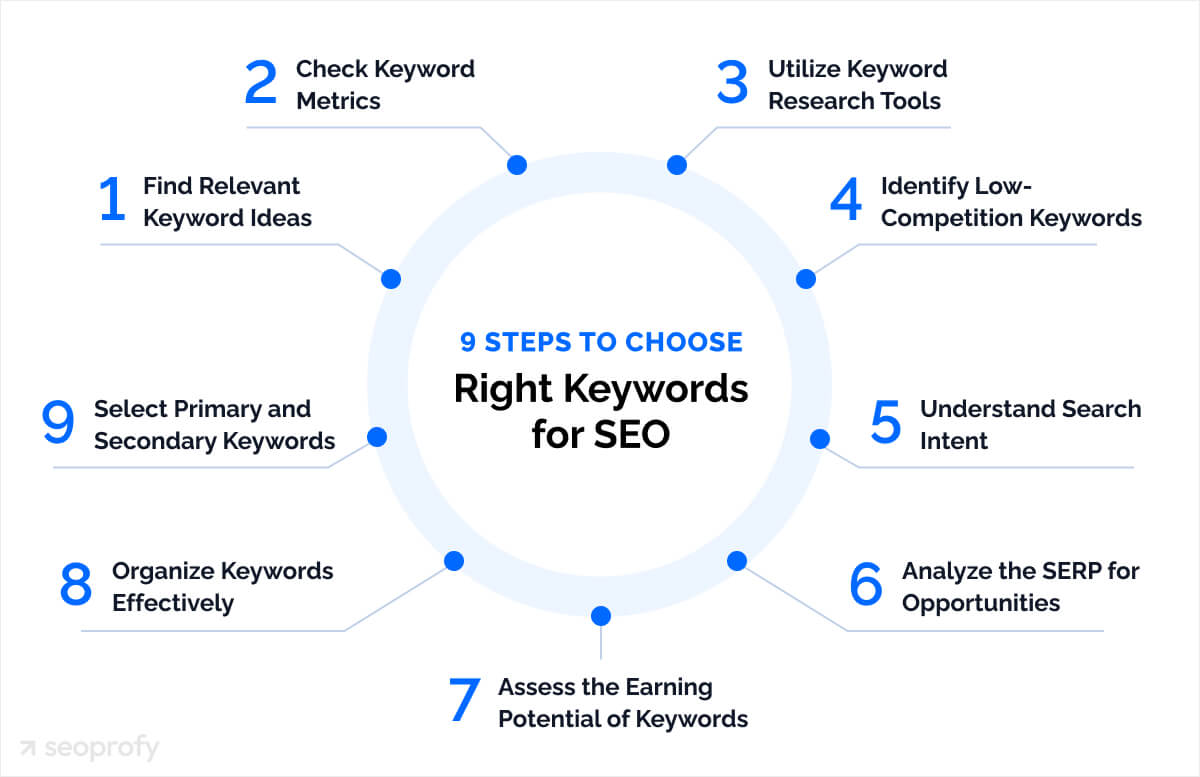
Once you’ve grasped the types of keywords, the next step is conducting effective keyword research. Utilizing keyword research tools can make this process easier and more insightful. Tools like Google Keyword Planner, SEMrush, and Ahrefs provide valuable data, such as search volume, competition level, and related keywords.
For example, when John, a digital marketer, started using these tools, he discovered several hidden gem keywords with good traffic potential but low competition. Here’s what to look for when using these tools:
- Search Volume : How many people are searching for the term?
- CPC (Cost Per Click) : Indicates commercial intent.
- Competition : The level of difficulty in ranking for that keyword.
Analyzing Keyword Competition
Understanding your competition is also pivotal in keyword research. By analyzing which keywords competitors rank for, you can uncover opportunities and gaps in your own strategy. Tools like MOZ can help you gain insights into their top pages and which keywords drive their traffic.
- Look for gaps : Are there keywords they aren’t targeting? This can lead to a unique advantage for your content.
- Consider their content quality : Evaluate what makes their content rank.
Discovering Search Intent
Ultimately, the success of your keyword strategy hinges on understanding search intent. Are users looking for information, making a purchase, or seeking local services? For instance, when analyzing the keyword “best coffee maker,” it’s crucial to differentiate between users who want to read reviews and those ready to purchase.
To discover search intent:
- Analyze SERPs : Check the types of content that rank for your keywords. Are they blog posts, product listings, or videos?
- Use modifiers : Keywords with modifiers like “best,” “buy,” or “near me” can give clues about user intent.
By employing these keyword research techniques, you can create a data-driven strategy that aligns closely with what your audience is truly searching for.

Implementing Keywords on Your Website
On-Page Optimization Strategies
After identifying and researching your keywords, the next logical step is implementing them effectively on your website. One of the key aspects of this is on-page optimization. This involves strategically placing keywords throughout your web pages to improve search engine visibility.
For instance, Emily, a food blogger, saw a significant increase in her traffic when she updated her on-page elements. Here are some effective strategies to consider:
- Header Tags (H1, H2, H3) : Incorporating keywords in your headings helps both readers and search engines understand the main topics of your content.
- Image Alt Text : Adding descriptive alt text to images that includes relevant keywords can enhance your SEO.
- URL Structure : Clean, keyword-rich URLs are easier for search engines and users to interpret.
Incorporating Keywords in Content
When creating content, the proper incorporation of keywords is essential. It enhances relevance without sacrificing readability. Here are best practices for keyword use in your content:
- Natural Flow : Keywords should fit seamlessly into sentences; avoid keyword stuffing.
- Content Variety : Use synonyms or variations of your primary keywords to maintain a natural tone.
- Quality Over Quantity : Aim for high-quality, informative content that provides value to readers.
Meta Tags and Descriptions
Lastly, meta tags and descriptions play a crucial role in SEO. These elements help search engines and users understand the content of your pages before clicking through.
- Title Tags : Include your primary keyword while keeping it engaging to attract clicks.
- Meta Descriptions : Write compelling, keyword-rich descriptions that summarize the content and entice users to learn more.
For example, when Michael optimized his bakery’s website, his click-through rate improved dramatically by enhancing his meta descriptions. By focusing on these implementation strategies, you can ensure that your keywords work hard for your SEO, effectively boosting your online presence.
Monitoring and Adjusting Keyword Strategy
Tracking Keyword Performance
Once keywords are implemented on your website, the next crucial phase is monitoring their performance. Tracking how your selected keywords are doing can reveal what’s working and what requires adjustment. For instance, Jenny, a travel blogger, utilized Google Analytics to assess which keywords were driving the most organic traffic to her site.
Here are some essential metrics to track:
- Organic Traffic : Measure how much traffic specific keywords are bringing.
- Ranking Positions : Check regularly where your keywords rank in search engine results.
- Click-Through Rates (CTR) : Analyze the percentage of users clicking on your site after searching for your keywords.
Adapting to Algorithm Changes
Search algorithms are constantly evolving, and so should your keyword strategy. Google’s updates can significantly impact rankings, sometimes overnight. For example, when a major algorithm change occurred, David, a small business owner, adjusted his approach by focusing on user intent rather than merely keyword volume.
To adapt, consider:
- Staying Informed : Follow SEO news sources to stay updated on algorithm changes.
- Testing Content Formats : Experiment with different types of content like videos or infographics to see what resonates better.
Refining Keyword Strategy
Refining your keyword strategy is an ongoing process. Based on the data collected, make necessary adjustments to improve SEO performance. This could involve adding new long-tail keywords that have emerged or even replacing underperforming keywords.
- Regular Audits : Conduct periodic reviews of your keyword strategy to ensure its relevance.
- Customer Feedback : Engage with your audience to understand their changing needs and preferences.
By proactively monitoring performance, adapting to changes, and refining your strategy, your site will remain competitive and continue to grow in visibility. This flexible approach not only boosts rankings but also enhances overall user satisfaction and engagement.
Local SEO Keywords
Importance of Local Keywords
As businesses increasingly operate in a digital landscape, optimizing for local SEO becomes paramount. Local keywords are essential for attracting customers within your geographic area. When looking for products or services, many consumers append location-specific terms to their searches. For example, instead of simply searching for “pizza,” they might type “best pizza near me” or “pizza delivery in [City Name].”
Jessica, the owner of a cozy coffee shop, saw a significant boost in foot traffic after she optimized her online presence for local keywords. By focusing on terms like “coffee shop in downtown [City Name],” she connected with that local audience effectively. The importance of local keywords can be summed up as:
- Targeting Local Audience : Attracts customers who are ready to purchase nearby.
- Improving Online Visibility : Increases chances of appearing in both search results and local listings.
- Building Community Connections : Enhances brand trust among local customers.
Optimizing for Local Search
To optimize for local search effectively, businesses must adopt a few key strategies.
- Google My Business : Set up and optimize your Google My Business profile with accurate information, including address, phone number, and hours of operation.
- Localized Content : Create relevant content that speaks to local events or news, incorporating local keywords naturally within the text.
- NAP Consistency : Ensure your Name, Address, and Phone number are consistent across all platforms and listings.
For instance, when a new antique store in town focused on these strategies, they quickly became a go-to spot for local collectors. By harnessing the power of local SEO keywords and optimizing your online presence, you can cultivate a loyal customer base and enhance visibility within your community.
Mobile SEO Keywords
Mobile-Friendly Keywords
With more users browsing on mobile devices than ever before, focusing on mobile-friendly keywords has never been more critical. These keywords are often shorter phrases that align with the quick, on-the-go search behavior of mobile users. For example, instead of typing out “best coffee shops in my area,” a mobile user might search simply for “best coffee.”
Take Michael, a local café owner, who adjusted his keyword strategy to include more mobile-friendly phrases. By optimizing for keywords like “coffee near me” and “drive-thru coffee,” he attracted a considerable amount of foot traffic from passersby. Here are some tips for selecting mobile-friendly keywords:
- Focus on Shorter Phrases : Cater to the quick nature of mobile searches.
- Use Questions : Many mobile searches are question-based, such as “where can I buy lunch near me?”
- Think Local : Incorporate local terms to capture nearby searches effectively.
Voice Search Optimization
Voice search is another trend reshaping the landscape of mobile SEO. With the advent of virtual assistants like Siri, Google Assistant, and Alexa, optimizing for voice search means using natural language keywords. Users tend to ask questions in a conversational manner, so your keyword strategy should reflect this.
For example, instead of targeting “best running shoes,” consider optimizing for “what are the best running shoes?” Sarah, a fitness influencer, saw an increase in her content’s reach when she tailored her blog posts to cater to voice search queries. Key strategies for voice search optimization include:
- Incorporate Long-Tail Keywords : These often mimic the way people speak.
- Focus on FAQs : Create content that answers common questions in your niche.
- Use Schema Markup : Implementing schema can help search engines understand your content better.
By integrating mobile-friendly keywords and optimizing for voice search, businesses can boost their visibility and engage effectively with an increasingly mobile audience, ensuring they stay relevant in a fast-evolving digital world.
Measuring SEO Keyword Success
Key Metrics to Track
Once your keyword strategy is established, measuring its success is crucial for ongoing improvement. There are several key metrics you should track to evaluate how well your keywords are performing. For example, when Tom, a digital marketing consultant, analyzed his keywords, he focused on several vital metrics:
- Organic Traffic : This indicates how many visitors arrived at your site via search engines due to specific keywords.
- Keyword Rankings : Monitoring the position of your keywords in search results can reveal trends over time.
- Click-Through Rate (CTR) : This metric shows how many people clicked on your link versus how many saw it in the search results.
- Conversion Rate : Ultimately, tracking how many visitors took desired actions (like making a purchase) informs you about the effectiveness of your chosen keywords.
Interpreting Analytics Data
Once you’ve collected metrics, interpreting that data is the next step. Analytics tools like Google Analytics can provide detailed insights on keyword performance. For instance, when Rachel optimized her e-commerce site, she observed that some keywords had high traffic but low conversion rates.
This led her to refine her keyword strategy further. Here are some tips for interpreting analytics data:
- Identify Trends : Look for patterns over time—are some keywords consistently driving traffic?
- Assess User Behavior : Analyze time on page and bounce rate to understand how visitors engage with your content.
- Experiment and Adapt : Use the insights gained to test new keyword variations and approaches.
By measuring and interpreting your SEO keyword success, you can make informed decisions to enhance visibility and drive greater engagement, ultimately leading to improved business outcomes.
Advanced SEO Keyword Strategies
Semantic SEO
As search engines evolve, the importance of Semantic SEO has become increasingly evident. This strategy focuses not just on individual keywords but on the context and meaning behind user search queries. By using related terms and phrases, you can create content that better meets the intent of searchers. For example, when Mike, a content strategist, shifted his approach to include synonyms and variations for “home gardening,” he saw a significant uptick in organic traffic.
Here’s how to implement Semantic SEO effectively:
- Use Related Keywords : Include synonyms and phrases related to your primary keywords.
- FAQs and Rich Snippets : Create content that answers commonly asked questions to capture featured snippets.
- Internal Linking : Link to related content within your website to create a robust context around your target topics.
Keyword Mapping
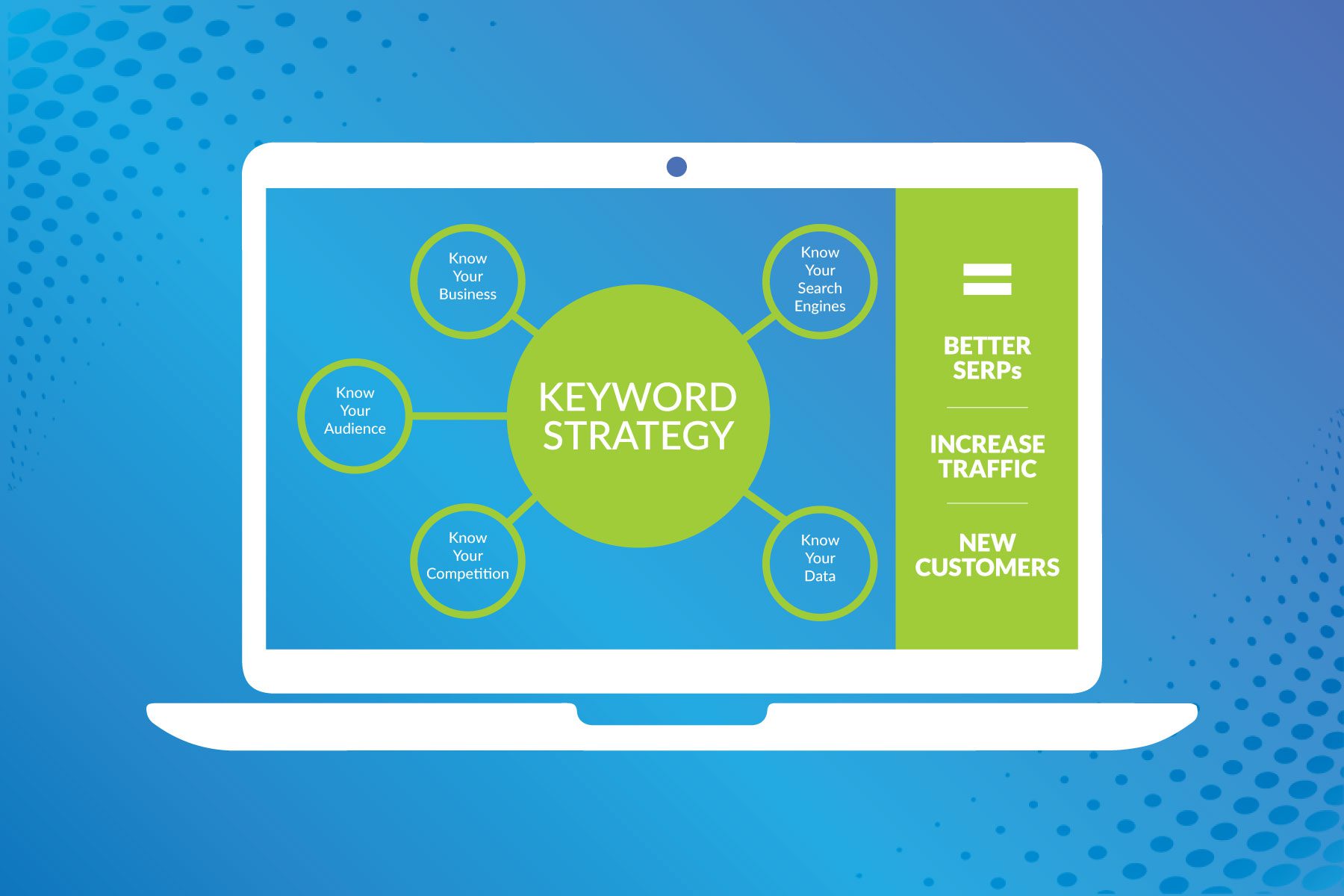
Keyword mapping is an organized approach to assigning specific keywords to specific pages on your website. This ensures that each page is optimized for distinct terms, helping to avoid keyword cannibalization. For instance, when Laura, an e-commerce manager, created a keyword map, she found that her product pages ranked better because each one targeted a unique keyword set.
To effectively map your keywords:
- Identify Keyword Themes : Group similar keywords.
- Assign Keywords to Pages : Match each keyword group to the most relevant page.
- Review Regularly : Continuously refine your mapping to align with changing trends.
User-Generated Content
Lastly, user-generated content (UGC) is a powerful tool for enhancing your SEO keyword strategy. Not only does it generate fresh content, but it also introduces new keywords that you might not have considered. For example, when a local gym encouraged members to share their fitness journeys online, it produced a wealth of relevant content, including keywords that attracted new visitors.
To leverage UGC effectively:
- Encourage Reviews : Request feedback and testimonials from satisfied customers.
- Create Community Spaces : Foster forums or social media groups where users can discuss and share.
- Highlight Stories : Feature user stories on your website to engage visitors and improve SEO.
By integrating these advanced strategies—Semantic SEO, keyword mapping, and user-generated content—you can create a more proactive and dynamic keyword approach that enhances visibility and engagement on your website.

Conclusion
Recap of Key Points
As we’ve explored throughout this article, the journey of mastering SEO keywords is multi-faceted and crucial for online success. From understanding the various types of keywords—short-tail, long-tail, and LSI—to implementing effective strategies like semantic SEO and keyword mapping, each element plays a significant role in providing targeted content that resonates with your audience.
Key points include:
- Keyword Research : Use tools and analyze competition to identify the right keywords.
- On-Page Optimization : Implement keywords strategically within your website’s content and meta tags.
- Continuous Monitoring : Track performance and adapt to changes in user behavior and search engine algorithms.
Each of these steps contributes to a comprehensive SEO strategy that drives organic traffic.
Future of SEO Keywords
Looking ahead, the future of SEO keywords is likely to be shaped by the growing influence of voice search and mobile optimization. With the rise of smart speakers and mobile browsing, the focus will shift increasingly towards more conversational and contextual keywords.
Also, the integration of artificial intelligence and machine learning may help search engines better understand user intent, meaning businesses will need to adapt their strategies accordingly. The push for high-quality, user-generated content will continue to amplify the importance of engaging with audiences directly.
By embracing these trends and constantly evolving your keyword strategy, you can stay ahead in the competitive digital landscape, ensuring that your content meets the needs of your audience now and in the future.