
Introduction to SEO
What is SEO?
Search Engine Optimization, or SEO, is a multifaceted digital marketing strategy designed to enhance a website’s visibility on search engines like Google. In simpler terms, it’s the art and science of increasing organic traffic to a website through various techniques aimed at improving its ranking in search engine results pages (SERPs).
Imagine having a stunning website with incredible content, but no one can find it! That’s where SEO comes to the rescue. It involves actions such as keyword optimization, content creation, and link building, all working harmoniously to ensure your website appears on the first page of search results.
Importance of SEO for beginners
For beginners navigating the digital world, understanding SEO is crucial. Here’s why:
- Visibility: The higher your site ranks on search engines, the more visible it becomes to potential users.
- Credibility: Users tend to trust websites that appear at the top of the search results.
- Traffic: Effective SEO strategies can lead to significant increases in organic traffic, translating to potential customers.
- Cost Efficiency: Unlike paid advertising, the results from SEO are long-lasting and can yield significant ROI over time.
For instance, when I started my first blog, I struggled to attract visitors. It wasn’t until I began implementing SEO strategies, like optimizing my content and including relevant keywords, that I saw my traffic soar. It’s a game-changer for anyone looking to establish an online presence.

Understanding Search Engines
How search engines work
To truly appreciate the power of SEO, one must first understand how search engines work. At their core, search engines like Google act as highly sophisticated matchmakers, connecting users with the information they seek. They accomplish this through three primary steps:
- Crawling: Search engines deploy bots, often referred to as spiders or crawlers, to scour the internet. They navigate links from one page to another, gathering data about the content on each site.
- Indexing: Once the crawlers collect the information, the search engine indexes it, storing the data in a vast database. This index is like a massive library, allowing for quick retrieval when needed.
- Ranking: When a user inputs a query, the search engine sifts through its index, determining which pages best match the search intent. Various factors, including relevance and authority, help decide the page’s position in the search results.
Different search engine algorithms
Search engines rely on complex algorithms to assess pages and determine their rankings. Each algorithm is unique and is continuously updated to improve the user experience. Here are some notable algorithms:
- Google’s PageRank: This algorithm evaluates the quality and quantity of links to a webpage, ultimately impacting its authority.
- Hummingbird: Designed to understand search intent better, this algorithm focuses on semantics and context rather than just keywords.
- Panda and Penguin: These algorithms target low-quality content and spammy link practices, respectively. They emphasize the importance of offering valuable, trustworthy information.
Understanding these concepts can empower beginners to implement more effective SEO strategies, knowing how to align their content with search engine requirements.
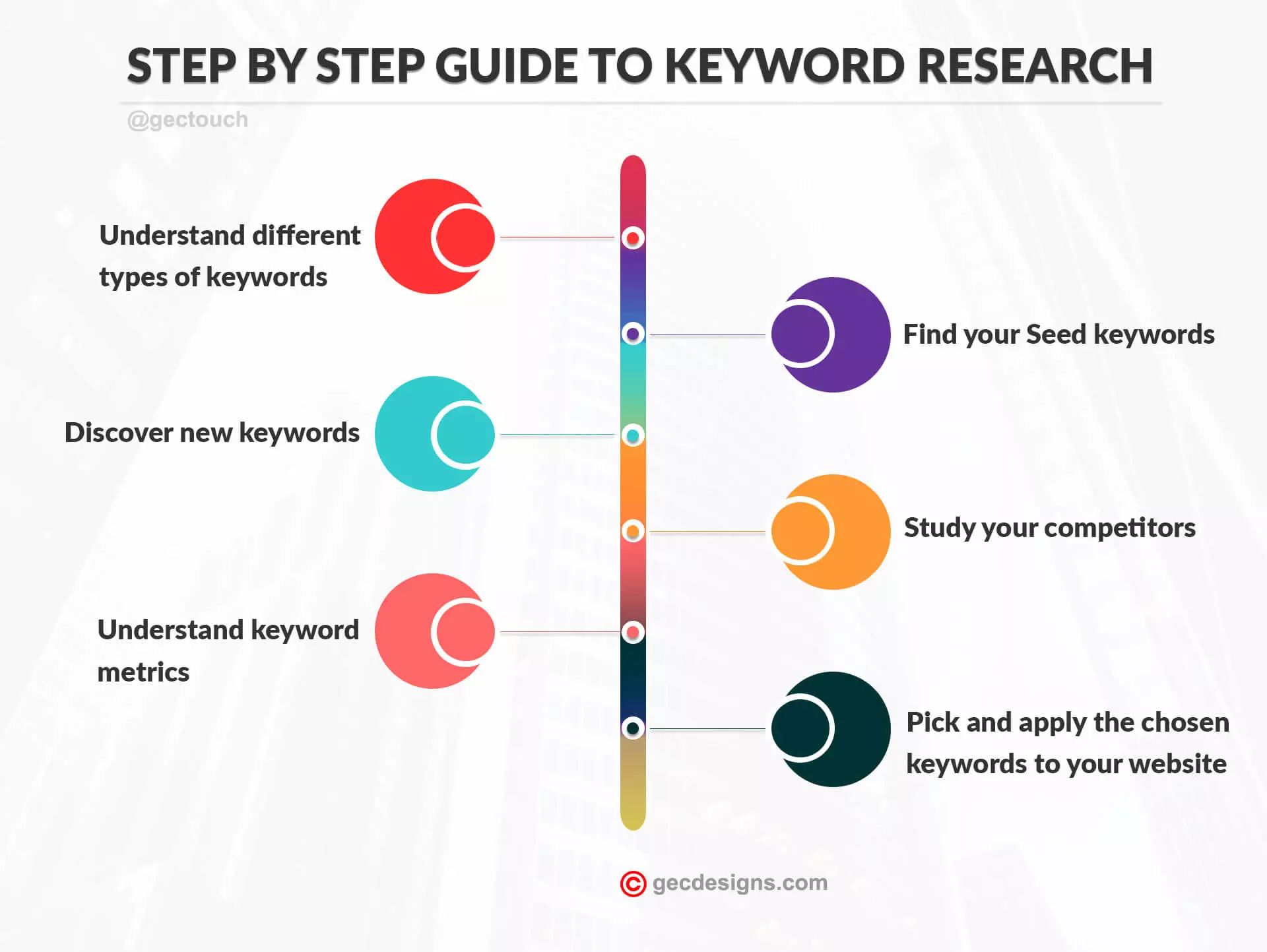
Keyword Research
Importance of keywords in SEO
Transitioning from understanding search engines, it’s crucial to recognize the role of keywords in SEO. Think of keywords as the bridge between what users are searching for and what your content offers. They are the specific phrases and terms that potential visitors enter into search engines, making them vital for driving relevant traffic to your site.
- Relevance: Choosing the right keywords ensures your content aligns with what users are actually looking for, increasing the likelihood of clicks.
- Visibility: Well-researched keywords can help your website rank higher on SERPs, making it more visible to searchers.
- Targeted Traffic: Using specific keywords can attract visitors who are more likely to convert into customers or subscribers.
For instance, when I was launching my online cooking class, I invested time in keyword research. By targeting phrases like “easy recipes for beginners,” I was able to attract a specific audience genuinely interested in my content.
Tools for keyword research
Now that the importance of keywords is clear, utilizing the right tools can elevate your keyword research. Here are a few popular options:
- Google Keyword Planner: Ideal for discovering new keywords and getting insights into search volume and competition.
- Ahrefs: A comprehensive tool that provides keyword ideas, along with SEO difficulty ratings to help prioritize your efforts.
- Ubersuggest: Great for beginners, this tool offers keyword suggestions and competitive analysis tailored to your niche.
Using these tools, you can identify high-potential keywords that not only align with your content but also give you a competitive edge in the digital landscape.
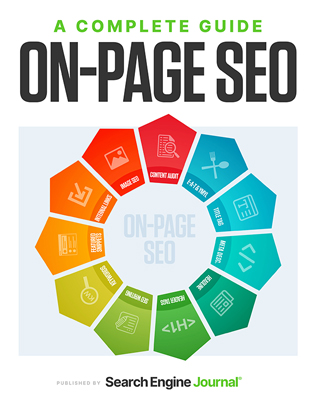
On-Page SEO
Optimizing website content
After diving into keyword research, the next critical step is optimizing your website content. On-page SEO involves adjusting various elements within your site to improve its search engine visibility and user experience. Here are a few key optimization strategies:
- Keyword Placement: Integrate your target keywords naturally in key areas such as titles, headings, and throughout the body content. Avoid keyword stuffing; instead, focus on readability.
- Engaging Headlines: Craft compelling headlines that not only include keywords but also captivate your audience’s attention. A well-written title can significantly increase click-through rates.
- Quality Content: Aim for high-quality, informative content that provides real value to readers. This encourages longer page visits, reduces bounce rates, and fosters returns from visitors.
I remember when I revamped my blog posts with these strategies. Instead of focusing solely on keywords, I prioritized creating engaging narratives and answers to common questions, making my content more appealing and relevant.
Understanding meta tags and descriptions
Meta tags and descriptions play a pivotal role in On-Page SEO too. These are HTML elements that provide search engines and users with a preview of what your page contains.
- Meta Title: This is the title that appears on the SERPs and should include primary keywords.
- Meta Description: Though not a ranking factor, a well-crafted meta description encourages users to click on your link. It should succinctly describe the page’s content and include relevant keywords.
For example, when crafting meta descriptions, I focus on making them compelling with a clear call to action, which has consistently improved my click-through rates. By optimizing both the content and meta elements, websites can drive qualified traffic, ensuring that visitors find what they’re searching for.

Off-Page SEO
Importance of backlinks
Following on from optimizing your website’s content, it’s time to discuss Off-Page SEO, which focuses predominantly on building your site’s authority beyond its internal structure. One of the most significant components of Off-Page SEO is backlinks. But why are they so important?
- Authority: Backlinks act as endorsements from other websites. When reputable sites link to yours, it signals to search engines that your content is trustworthy and valuable.
- Traffic: Quality backlinks can drive referral traffic directly to your site. This means that not only do you gain credibility, but you also attract visitors who are genuinely interested in what you offer.
I learned the significance of backlinks firsthand during my journey. In the early days of my blog, I neglected this aspect. However, after strategically seeking backlinks, my site’s visibility and traffic began to surge remarkably.
Strategies for building quality backlinks
Now that you understand their importance, here are some effective strategies for building quality backlinks:
- Guest Blogging: Write articles for other blogs in your niche. In return, you get a link back to your site, boosting both traffic and authority.
- Create Link-Worthy Content: Invest time in creating high-quality, informative content such as infographics, research reports, or comprehensive guides that others naturally want to link to.
- Networking: Build relationships within your industry. Attend conferences, participate in forums, and engage with other content creators to foster connections that can lead to backlinks.
- Broken Link Building: Identify broken links on other websites and offer your content as a replacement. This helps the site owner fix their link while providing you with a valuable backlink.
Incorporating these strategies into your SEO plan can significantly enhance your site’s authority and search engine ranking, making Off-Page SEO crucial for long-term success.
Technical SEO
Website speed and performance optimization
As we transition from Off-Page SEO, it’s essential to delve into Technical SEO, a realm that may not always be as visible but plays a key role in your site’s performance. One of the foremost aspects of Technical SEO is optimizing website speed.
Why is this critical?
- User Experience: Users often abandon websites that take too long to load. Research suggests that a mere one-second delay can lead to a significant drop in conversions.
- Search Engine Rankings: Google considers site speed as a ranking factor. A faster website can improve your chances of ranking higher on the SERPs.
When I first launched my website, I noticed it loaded slowly due to large images and unnecessary plugins. Implementing a CDN (Content Delivery Network) and optimizing images drastically improved loading times, resulting in happier users and increased traffic.
Mobile optimization for SEO
In addition to speed, mobile optimization is increasingly vital in today’s digital landscape. With a growing number of users accessing websites from mobile devices, ensuring that your site is mobile-friendly is non-negotiable.
Here are some key considerations:
- Responsive Design: A responsive site automatically adjusts to fit different screen sizes. This improves user experience across all devices.
- Mobile Page Speed: Just like desktop users, mobile users expect quick loading times. Optimize images and leverage browser caching to enhance performance on mobile.
- Touchscreen Usability: Ensure that buttons are easily clickable and that your design accommodates touch navigation.
For example, after redesigning my blog with a mobile-first approach, I noticed an uptick in mobile visitors and engagement rates. By focusing on these technical aspects, you’re laying the foundation for a site that not only ranks well but also provides a seamless user experience across all devices.

Content Marketing for SEO
Creating high-quality content
Building on the importance of Technical SEO, let’s explore the role of content marketing in boosting your SEO efforts. High-quality content is the backbone of any successful SEO strategy. But what exactly does “high-quality” mean? Here’s what to consider:
- Relevance: Your content should address the needs and interests of your target audience. This keeps readers engaged and encourages them to share your work.
- Unique Insights: Original thoughts or unique perspectives help set your content apart from others. Share personal anecdotes or case studies that resonate with your audience.
- Thoroughness: Aim to provide in-depth information that answers readers’ questions comprehensively. Longer, detailed posts tend to perform better in search rankings.
When I started focusing on content quality, I saw a shift in reader engagement. My guide on effective time management became a go-to resource, attracting organic traffic consistently.
Utilizing different content formats
In addition to crafting high-quality written content, diversifying your content formats can further enhance your SEO efforts. Here are some formats to consider:
- Videos: Engaging videos can boost user retention and attract backlinks. Platforms like YouTube are also search engines in their own right.
- Infographics: These visual aids can simplify complex information, making it easier for users to digest. They are also highly shareable, which can lead to organic backlinks.
- Podcasts: As the popularity of audio content grows, starting a podcast can help reach a broader audience and build brand authority.
By experimenting with different content formats, you not only cater to varied audience preferences but also increase your chances of being discovered across multiple platforms. Ultimately, effectively integrating content marketing with your SEO strategy can create a powerful synergy that boosts your online presence.
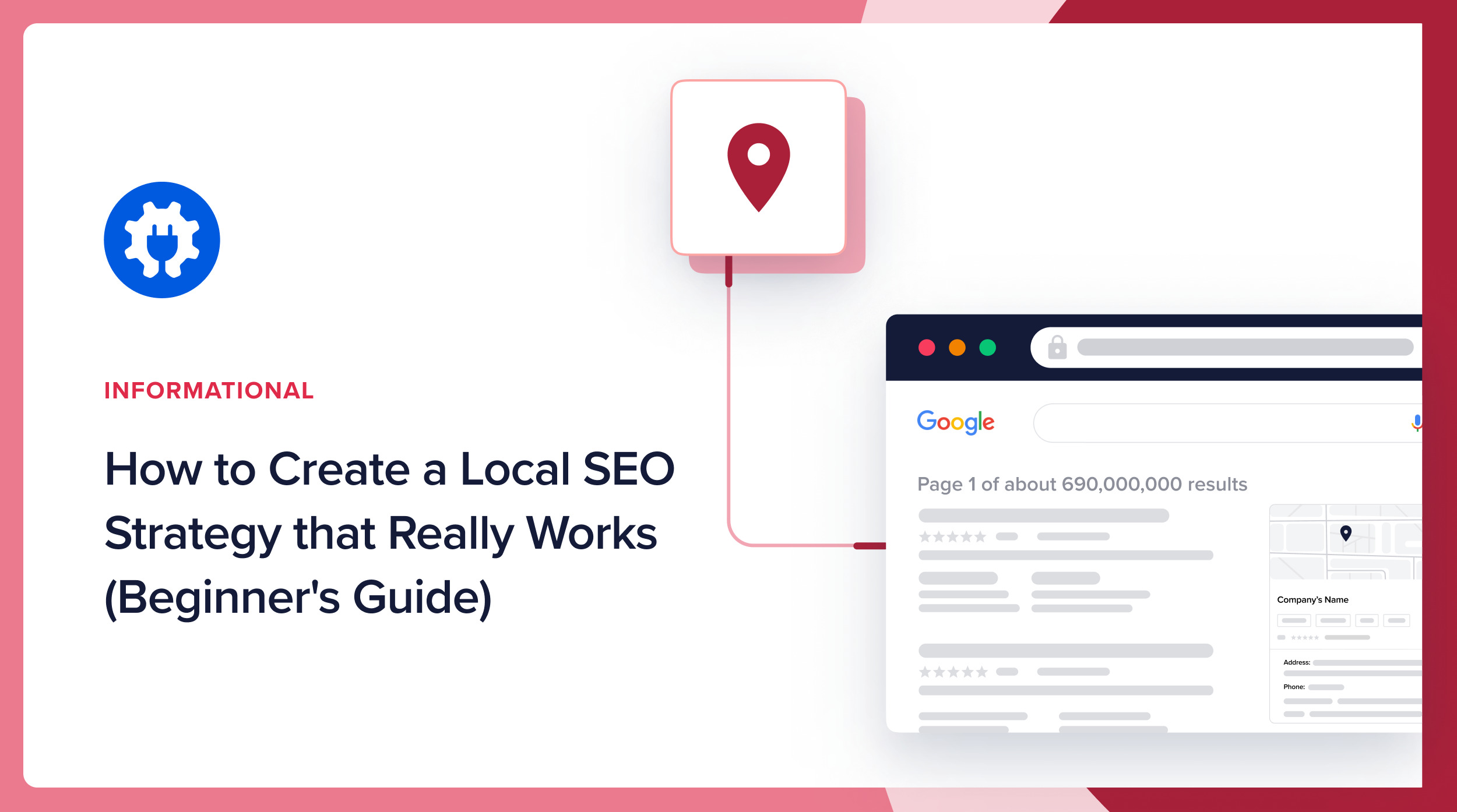
Local SEO
Optimizing for local search
Transitioning from broader content strategies, let’s zero in on Local SEO, an essential tactic for businesses aiming to attract nearby customers. Optimizing for local search is all about ensuring your business can be found when potential customers in your area search for relevant services.
Here’s how to get started:
- Google My Business: Claiming and optimizing your Google My Business listing is critical. Ensure your business name, address, and phone number (NAP) are accurate and up to date.
- Local Keywords: Incorporate local keywords in your content, such as your city or neighborhood. For instance, use phrases like “best coffee shop in Brooklyn” within your site’s content.
- Customer Reviews: Encourage satisfied customers to leave positive reviews. Not only do reviews enhance credibility, but they also influence local search rankings.
When I first optimized my local bakery’s Google My Business profile, I saw a significant increase in foot traffic as more people discovered us through online searches.
Benefits of local SEO for businesses
The advantages of local SEO extend beyond just visibility. Here are some key benefits:
- Increased Foot Traffic: Local optimization can drive more customers to your physical store, particularly in service-based industries.
- Higher Conversion Rates: Local searches typically indicate strong intent. Users actively looking for services near them are more likely to convert into customers.
- Cost-Effective Marketing: Local SEO provides a high return on investment compared to traditional advertising methods. It helps target your ideal audience effectively.
My bakery continues to thrive due to increased visibility and the loyalty of local customers who discovered us online. Incorporating Local SEO into your marketing strategy can significantly enhance your business’s reach and profitability, ensuring you connect with those who matter most in your community.
Measuring SEO Success
Key SEO metrics to track
With a solid understanding of Local SEO under our belts, it’s time to focus on measuring the success of your overall SEO efforts. This is where tracking key SEO metrics becomes vital. Understanding how well your strategies are performing allows you to make informed decisions for continuous improvement.
Here are some essential metrics to monitor:
- Organic Traffic: This indicates the number of visitors coming to your site through search engines. An upward trend suggests your SEO strategies are effective.
- Bounce Rate: This metric tells you the percentage of visitors who leave your site after viewing only one page. A high bounce rate may indicate that your content isn’t engaging enough or that your website’s user experience is lacking.
- Conversion Rate: Tracking how many visitors complete desired actions (like signing up or purchasing) gives insight into the effectiveness of your site and content.
When I analyzed these metrics after implementing a new SEO strategy, I found that my organic traffic doubled, and my bounce rate significantly decreased, indicating improved content quality and engagement.
Using Google Analytics for SEO analysis
Google Analytics is a powerful tool for analyzing your SEO performance. Here’s how to leverage it:
- Set Up Goals: Establish goals based on what you want your visitors to accomplish on your site. This could be signing up for a newsletter or making a purchase.
- Traffic Sources: Evaluate where your traffic is coming from. This breakdown helps you identify which campaigns and keywords are performing the best.
- Landing Pages: Analyze the performance of specific pages. Which ones are attracting the most organic traffic? Use this data to replicate successful strategies across other pages.
With these insights, you can refine your SEO tactics, ensuring your strategies align with your goals and adapt to the ever-changing digital landscape. Using Google Analytics to track these metrics has been instrumental in guiding my own SEO decisions, leading to ongoing growth and success.