
Introduction
Importance of Content Marketing
In today’s digital age, content marketing stands as a crucial pillar for businesses looking to forge connections with their audience. This strategic approach not only helps in brand visibility but also plays an essential role in building trust and credibility. Content marketing involves creating and distributing valuable, consistent, and relevant content to attract and engage a clearly defined audience.
For instance, a local coffee shop might utilize content marketing by sharing stories about their sourcing practices, offering brewing tips, or featuring customer testimonials on their website and social media platforms. This not only draws in potential customers looking for high-quality coffee but also fosters a community around shared interests.
Some key benefits of content marketing include:
- Increased Brand Awareness : Quality content can captivate and inform potential customers about your brand.
- Higher Engagement Rates : Valuable and shareable content leads to more interactions, whether through comments or social media shares.
- Cost-Effectiveness : Compared to traditional marketing channels, content marketing often yields a higher ROI.
Defining Strategic Content Marketing
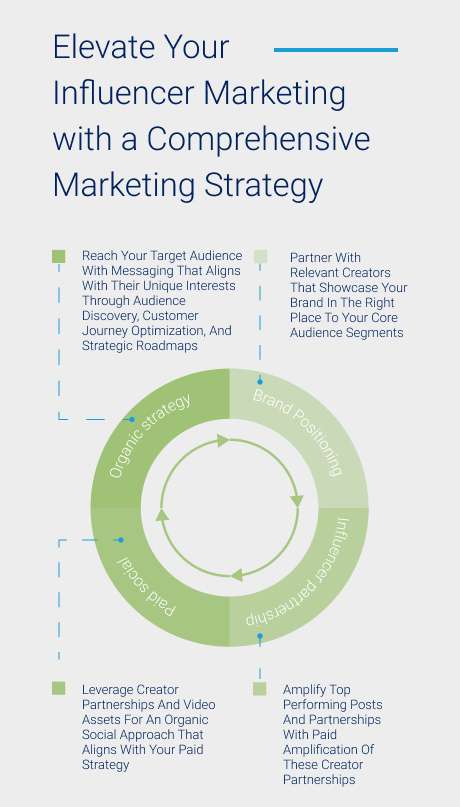
Strategic content marketing extends beyond simply producing content. It’s about creating a roadmap that outlines the type of content to produce, the channels for distribution, and the goals behind each piece.
Consider it as a guided journey where every step is taken with purpose. Key components of strategic content marketing include:
- Audience Analysis : Understanding who your audience is and what they value.
- Content Themes : Deciding on overarching themes that align with both brand identity and audience interests.
- Distribution Strategy : Planning how and where the content will be shared to maximize reach and engagement.
By adopting a strategic approach to content marketing, brands can ensure that their efforts are not only effective but also sustainable in the long run. This is where companies can truly differentiate themselves in a crowded marketplace.

Understanding Your Cheshire Brand
Brand Identity
To craft a successful content marketing strategy, understanding your brand identity is paramount. This encompasses the core values, mission, and personality that define your business. Think of your brand as a person—what are its characteristics, its voice, and its story?
For instance, take a Cheshire-based artisanal cheese maker. Their brand identity might emphasize quality craftsmanship, local sourcing, and a commitment to sustainability. This identity should shine through every piece of content they create, from social media posts to blog articles.
Some elements to consider when defining brand identity include:
- Mission Statement : What drives your business?
- Core Values : What principles guide your decisions and actions?
- Visual Elements : How do your logo, colors, and website design reflect your brand’s character?
Target Audience Analysis
Once the brand identity is established, the next step is to conduct a thorough target audience analysis. Knowing who your audience is can significantly enhance the effectiveness of your content marketing efforts.
Imagine you’re marketing that artisanal cheese. Who are the ideal customers? Are they foodies, families, or health-conscious individuals?
Key factors to analyze include:
- Demographics : Age, gender, income level, and location.
- Psychographics : Interests, lifestyle choices, and purchasing behavior.
- Pain Points : What challenges does your audience face that your product can solve?
One effective method for gathering this information is through surveys or social media polls. By engaging directly with potential customers, you can gain insights that will inform your content strategy and ensure it resonates with those you aim to attract.
By harmonizing your brand identity with a clear understanding of your target audience, businesses can create compelling content that strikes a chord and drives engagement.
Developing a Content Strategy
Setting Clear Objectives
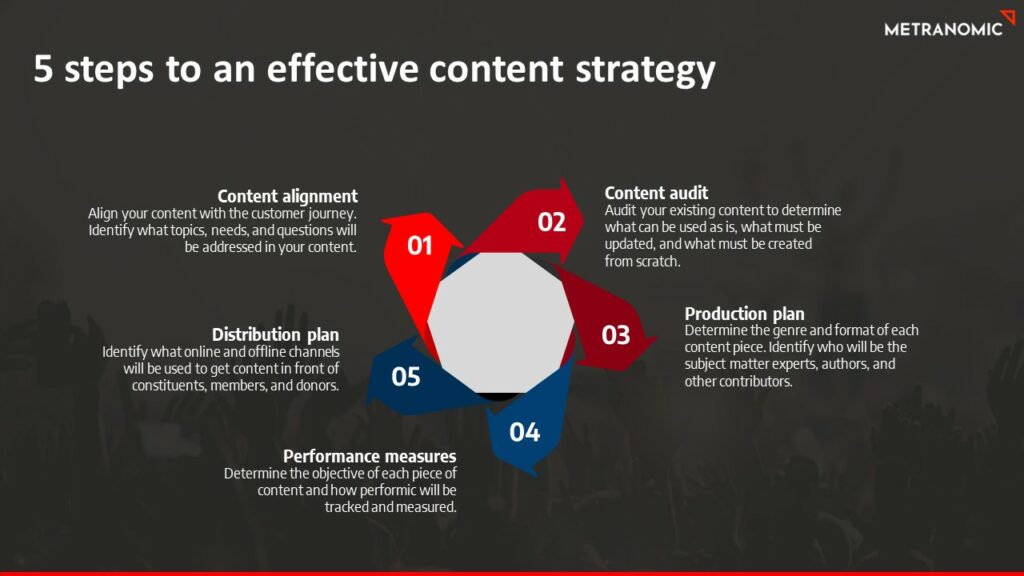
With a solid understanding of your brand identity and target audience, the next step is to develop a content strategy that aligns with your business goals. Setting clear objectives is crucial, as these goals will serve as the guiding light for your content creation efforts.
For example, a Cheshire-based bakery may set objectives such as:
- Increase Website Traffic : Aim for a specific percentage increase in unique visitors each month.
- Boost Social Media Engagement : Set a goal for likes, shares, and comments on posts for specific campaigns.
- Generate Leads : Establish a target number of sign-ups for a newsletter or downloadable eBook.
Think of these objectives as stepping stones to successful content marketing—each one leading you closer to achieving broader business ambitions. When writing down your goals, it’s helpful to use the SMART framework, ensuring your objectives are Specific, Measurable, Achievable, Relevant, and Time-bound.
Creating a Content Calendar
Once the objectives are set, the next task is to create a content calendar. This tool acts as a blueprint for when and where content will be published, helping to maintain consistency and keep the team organized.
Consider this like planning a road trip; you need to know your route, rest stops, and fuel up before you hit the road!
Key components to include in your content calendar are:
- Content Types : Define what types of content you’ll create (blogs, videos, infographics, etc.).
- Publishing Dates : Schedule when each piece of content will be released.
- Promotion Strategies : Outline how you’ll share or promote each piece across channels.
A simple table format can work wonders for this calendar.
| Date | Content Type | Topic/Title | Promotion Channels |
|---|---|---|---|
| 01/10/2023 | Blog Post | Benefits of Artisan Cheese | Instagram, Facebook |
| 05/10/2023 | Infographic | Cheese Pairing Guide | Pinterest, Website |
By establishing a content calendar, brands can streamline their content efforts, ensuring that each piece is strategically timed and aligned with the overarching goals. This structured approach not only saves time but also enhances the effectiveness of content outreach.

Creating Engaging Content
Writing Compelling Copy
Now that you have a content strategy and calendar in place, it’s time to dive into creating engaging content. The first step in this process is writing compelling copy. Effective copy grabs attention, holds interest, and prompts action—whether that’s reading a blog post, signing up for a newsletter, or making a purchase.
To achieve this, consider incorporating techniques such as:
- Storytelling : Share anecdotes that resonate with your audience. For example, a Cheshire chocolatier might recount the journey of sourcing local cocoa beans to create their signature truffles.
- Emotional Appeal : Tap into feelings. Whether it’s nostalgia or joy, evoking emotion can create a deeper connection.
- Clear Call to Action : Each piece of content should guide the reader on their next step. For example, phrases like “Learn more” or “Explore our products” can effectively encourage engagement.
Additionally, using active voice instead of passive voice can make your writing more dynamic. For instance, saying “Our team crafts delicious pastries” is more compelling than “Delicious pastries are crafted by our team.”
Visual Content Creation
While compelling copy is vital, visual content plays an equally crucial role in engagement. Humans are highly visual creatures, and incorporating images, videos, and infographics can dramatically enhance the appeal of your content.
Consider these strategies for effective visual content creation:
- High-Quality Images : Invest in professional photography to showcase products or services. For the Cheshire chocolatier, images of beautifully crafted chocolates could be mouth-watering and irresistible.
- Infographics : These can simplify complex information into easily digestible visuals. For example, an infographic highlighting the benefits of dark chocolate can attract attention while educating potential customers.
- Videos : Create short how-to videos or behind-the-scenes footage. A quick video tour of the chocolate-making process can be engaging and informative.
Combining compelling copy with striking visuals creates a balanced content strategy that captivates and engages your audience. By investing time in both areas, brands can cultivate a more dynamic presence that resonates with consumers.

Leveraging Social Media for Brand Promotion
Social Media Platforms Overview
As businesses develop engaging content, leveraging social media becomes an essential component of brand promotion. Social media platforms serve as powerful channels to connect with audiences, share content, and foster community engagement.
Each platform offers unique features and demographics suited for different marketing strategies. Here’s a brief overview of popular platforms:
- Facebook : Ideal for community building and sharing longer content. Perfect for storytelling and engaging with followers through posts and ads.
- Instagram : Great for visually-driven content. Businesses in food, fashion, or beauty can showcase products through high-quality images and stories.
- Twitter : Excellent for real-time engagement and updates. Brands can interact with customers directly and share quick announcements.
- LinkedIn : Primarily for B2B marketing, great for establishing thought leadership and connecting with other professionals.
- TikTok : Increasingly popular for brands targeting younger audiences, it focuses on short-form, entertaining videos that can quickly go viral.
Understanding the strengths of these platforms is crucial in choosing the right channels for your brand.
Strategies for Effective Social Media Marketing
To maximize the impact of social media marketing, brands need to implement strategic approaches that align with their objectives. Here are a few effective strategies:
- Content Diversification : Mix up your posts with a combination of images, videos, polls, and stories. This keeps the content fresh and caters to different audience preferences.
- User-Generated Content : Encourage your customers to share their experiences with your brand. A local bakery could create a hashtag for customers to post their favorite baked goods, creating community engagement.
- Regular Posting Schedule : Consistency is key. Use scheduling tools like Buffer or Hootsuite to maintain a steady stream of content without overwhelming your team.
- Engage Actively : Respond to comments and messages promptly. This personal touch builds trust and rapport with followers.
By understanding social media platforms and adopting effective marketing strategies, brands can enhance their online presence, foster customer loyalty, and drive meaningful engagement that translates into business growth.
Measuring Content Marketing Success
Key Performance Indicators
With a robust content strategy in place and social media efforts underway, it’s crucial to assess the effectiveness of your marketing initiatives. Measuring content marketing success relies on Key Performance Indicators (KPIs) that provide tangible insights into your efforts.
Some important KPIs to consider include:
- Website Traffic : Track the number of visitors to your website, focusing on page views, unique visits, and the sources of your traffic.
- Engagement Rates : Monitor likes, shares, comments, and interactions on social media posts to gauge audience interest.
- Conversion Rates : Measure the percentage of visitors who take desired actions, such as signing up for a newsletter or making a purchase.
- Bounce Rate : Analyze the percentage of visitors who leave your site after viewing only one page. A high bounce rate may indicate that the content isn’t resonating with your audience.
For example, a Cheshire artisan bakery might see a spike in website traffic following a successful blog post on seasonal recipes. Tracking these KPIs helps refine future content and identify what resonates with your audience.
Analyzing Metrics and Data
After identifying your KPIs, the next step is to analyze the metrics and data collected. Regularly reviewing these insights allows brands to adapt their strategies effectively.
Consider using tools like Google Analytics, social media insights, or specialized marketing dashboards to visualize performance data. Here are some key areas to focus on:
- Content Performance : Analyze which pieces receive the most traffic or engagement. This helps identify trending topics and successful formats.
- Audience Behavior : Understand user behavior on your site, such as which pages keep visitors engaged longer or lead to conversions.
- A/B Testing : Compare different content pieces or marketing strategies to identify what works best. For example, testing two different headlines on a blog post can provide valuable insights into audience preferences.
By consistently measuring and analyzing these metrics, businesses can refine their content marketing strategies, ensuring they connect more effectively with their audiences and achieve desired outcomes. It’s about being agile and responsive to what the data tells you.
Collaborating with Influencers
Identifying Suitable Influencers
As brands look to amplify their message and expand their reach, collaborating with influencers can be a game changer. However, the key to a successful influencer partnership lies in identifying suitable influencers who truly align with your brand values and target audience.
Start by considering the following criteria:
- Relevance : Look for influencers whose content resonates with your brand. A local food influencer might be ideal for a Cheshire-based chocolate shop because they share a passion for culinary delights.
- Engagement Rate : Beyond follower count, check how actively the influencer engages their audience. A smaller account with a highly engaged community can often be more powerful than a larger account with minimal interaction.
- Authenticity : Choose influencers whose style and messaging feel genuine. Followers can spot inauthenticity and are more likely to trust recommendations from influencers who truly love your product.
Using tools like BuzzSumo or Upfluence can help streamline the process of finding and vetting influencers effectively.
Building Long-Term Partnerships
Once you have identified suitable influencers, the next step is to develop long-term partnerships. These relationships can lead to continued brand exposure and a deeper connection with the audience.
Consider these strategies for building lasting influencer partnerships:
- Clear Expectations : Set expectations from the beginning. Discuss deliverables, timelines, and compensation to ensure everyone is on the same page.
- Provide Creative Freedom : Allow influencers creative control over how they present your brand. This not only enhances authenticity but also helps the content feel more organic.
- Maintain Open Communication : Regularly check in with your influencers for feedback and suggestions. This open dialogue can enhance collaboration and strengthen the partnership.
- Celebrate Success Together : Acknowledge and celebrate milestones achieved through the partnership, whether it’s a successful campaign or increased engagement. Recognizing each other’s contributions fosters goodwill and motivation to continue collaborating.
By focusing on identifying suitable influencers and nurturing long-term partnerships, brands can leverage the power of influencer marketing to reach new audiences and drive meaningful engagement. This mutually beneficial approach can lead to authentic marketing that feels less like advertising and more like genuine recommendations.

Implementing SEO Strategies
Optimizing Content for Search Engines
As brands collaborate with influencers and produce engaging content, it’s essential to implement SEO strategies to ensure that this content reaches a broader audience. Optimizing content for search engines is crucial for improving visibility and driving organic traffic to your website.
To optimize your content effectively, consider the following techniques:
- Meta Tags : Craft descriptive and keyword-rich title tags and meta descriptions. These elements help search engines understand the content while enticing users to click through.
- Headings and Subheadings : Use headings (H1, H2, H3) appropriately to structure your content. This not only enhances readability for users but also helps search engines crawl your pages effectively.
- Image Optimization : Use alt tags for images that accurately describe their content and include relevant keywords. This helps search engines index your images and can improve visibility in image search results.
- Mobile Responsiveness : Ensure your website is mobile-friendly. A significant portion of users accesses content via mobile devices, and search engines prioritize responsive designs in their rankings.
For example, a Cheshire bakery can enhance its online presence by optimizing its blog posts about seasonal pastries, ensuring that they’re easily discoverable by those searching for delightful treats.
Utilizing Keywords Effectively
Keywords are the cornerstone of any successful SEO strategy. By incorporating the right keywords into your content, you can significantly improve your chances of ranking higher in search engine results.
Here’s how to utilize keywords effectively:
- Keyword Research : Use tools like Google Keyword Planner or SEMrush to identify relevant keywords that potential customers are searching for. Focus on long-tail keywords, which are often less competitive and more specific, like “artisan chocolate in Cheshire.”
- Natural Integration : Avoid keyword stuffing. Instead, seamlessly weave keywords into the content so they fit naturally within the context. This improves readability and aligns with search engines’ focus on user experience.
- Content Variety : Create diverse content around primary keywords. This could include blogs, infographics, and videos, all targeting the same keyword theme but in different formats.
By optimizing content for search engines and utilizing keywords effectively, brands can enhance their online visibility, attract the right audience, and ultimately drive more engagement. This strategic approach sets the stage for long-term success in an increasingly digital marketplace.