

Introduction
What is White Label Email Marketing?
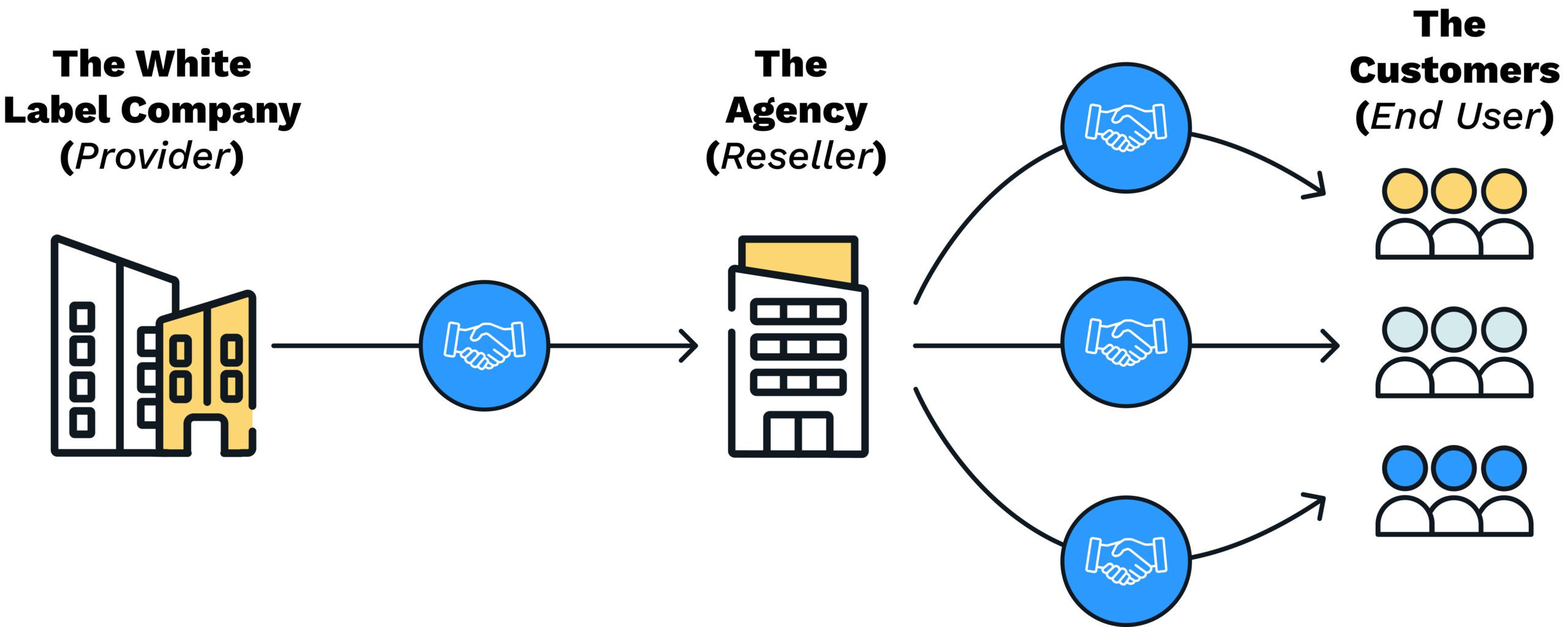
White label email marketing refers to a service provided by a marketing platform that offers the capability for businesses to send emails under their own brand name, while the underlying technology and infrastructure are managed by a third party. This allows companies, especially agencies, to leverage advanced email marketing tools without having to build or maintain the infrastructure themselves.
Imagine a small marketing agency that wants to offer email marketing services. Instead of investing heavily in software development, they can simply rebrand an existing platform. This way, they deliver quality services to clients while focusing on what truly matters: strategy and creativity.
Importance of Email Marketing
Email marketing remains a vital tool for businesses in today’s digital age. Here’s why:
- Direct Communication : Emails allow businesses to communicate directly with their audience, bypassing the noise of social media.
- Cost-Effective : Compared to other marketing channels, email marketing often yields a higher return on investment (ROI).
- Personalization : Tailoring messages to individual subscribers helps build stronger connections.
Incorporating white label solutions not only enhances these advantages but also amplifies the brand’s reach and effectiveness in connecting with its target audience.

Advantages of White Label Email Marketing Platforms
Cost-Effectiveness
One of the standout benefits of white label email marketing platforms is their cost-effectiveness. For many businesses, especially startups and small agencies, budget constraints are a reality. By choosing a white label solution, they can save on the expenses associated with developing and maintaining their own email marketing software.
Consider this scenario: a marketing agency might face hefty costs when building an in-house platform. However, opting for a white label service means:
- Reduced Development Costs : Save on hiring developers and investing in tech infrastructure.
- Lower Operational Expenses : Minimize maintenance and support costs.
- Subscription Models : Access to tiered pricing plans, allowing budgets to align with business growth.
Customization Options
Customization is another compelling advantage. With white label email marketing platforms, businesses can tailor the look, feel, and functionality of their email campaigns to resonate with their brand identity. This level of personalization fosters a stronger connection with subscribers.
Some customization features to consider include:
- Branding Elements : Use your logo, color schemes, and fonts for consistency.
- Template Designs : Choose from a variety of templates that can be modified to fit specific campaigns.
- Dynamic Content : Implement personalized elements based on subscriber behavior.
In doing so, businesses not only enhance their credibility but also create memorable experiences for their audience.
Increased Brand Visibility
Consistent Branding
In the crowded digital marketplace, standing out is crucial, and increased brand visibility is one of the major advantages of using white label email marketing platforms. One way to achieve this is through consistent branding. When businesses engage with their audience via email, maintaining a uniform brand image across all communications is essential.
For instance, consider a fashion retailer using a white label platform. By customizing their email campaigns to reflect their unique style—colors, fonts, and tone—they create a cohesive experience for subscribers. This continuity reinforces their brand identity, leading to:
- Recognizability : Subscribers can instantly identify emails based on familiar visual elements.
- Professionalism : Consistency conveys professionalism, making audiences more likely to engage.
Customer Trust
Brand visibility significantly contributes to customer trust. When consumers see familiar branding frequently, it cultivates a sense of reliability. A well-designed email that aligns with a brand’s core values and messaging can establish a deeper connection with subscribers.
Some elements that enhance trust include:
- Quality Content : Regularly providing valuable information positions the brand as an industry authority.
- Clear Calls to Action : Encouraging straightforward next steps builds confidence in the purchasing process.
As audiences perceive the brand as trustworthy, they are more likely to engage, leading to increased conversions and loyalty.

Time-Saving Features
Automated Campaigns
One of the most attractive features of white label email marketing platforms is their time-saving capabilities, particularly through automated campaigns. Automation allows businesses to set up email sequences that run without the need for constant oversight.
Imagine a travel agency that wishes to promote seasonal vacation packages. Instead of manually sending out updates, they can create an automated campaign to deliver timed messages to subscribers. This includes:
- Welcome Series : Automatically sending a warm welcome email and follow-ups to new subscribers.
- Abandoned Cart Emails : Reminding customers about items left in their carts, nudging them towards a purchase.
- Engagement Triggers : Sending emails based on subscriber behavior, like downloading a guide or clicking on a link.
These automation tools can drastically reduce the workload, allowing teams to focus on strategy and creativity rather than repetitive tasks.
Personalized Emails
In addition to automation, personalizing emails can save time while maximizing impact. White label platforms often provide tools that enable marketers to segment their audiences and tailor content accordingly.
For example, a bookstore can craft different messages for fiction and non-fiction readers—delivering recommendations based on past purchases. Key benefits of personalized emails include:
- Higher Engagement Rates : Recipients are more likely to open and act on content that resonates with their interests.
- Efficient Content Creation : The ability to use templates and pre-set variables streamlines the email creation process.
By combining automation with personalization, businesses can efficiently nurture their relationships with subscribers, ultimately leading to improved conversion rates and customer satisfaction.

Analytics and Reporting Capabilities
Performance Tracking
In the world of email marketing, understanding the effectiveness of campaigns is crucial, and that’s where robust analytics and reporting capabilities come into play. White label email marketing platforms offer comprehensive performance tracking features that provide businesses with valuable metrics to measure their success and areas for improvement.
Imagine launching a new product campaign. Instead of guessing its impact, a business can track:
- Open Rates : Monitoring how many subscribers opened the email.
- Click-Through Rates (CTR) : Understanding how many engaged with the content inside.
- Conversion Rates : Evaluating how many recipients took the desired action, like making a purchase.
These insights help marketers adjust their strategies in real time and make informed decisions for future campaigns.
Data-Driven Insights
Beyond just tracking performance, white label platforms typically provide data-driven insights that can shape marketing strategies. With the right analytics tools, businesses can uncover trends and patterns in recipient behavior, which can be instrumental in enhancing overall effectiveness.
For example, by analyzing data such as:
- Subscriber Preferences : Learning what type of content resonates most based on engagement.
- Optimal Send Times : Determining when audiences are most likely to open and interact with emails.
Having access to these insights allows businesses to refine their messaging, improve targeting, and ultimately create higher-performing campaigns. By leveraging analytics, companies not only enhance their current strategies but also set a solid foundation for future successes.

Scalability and Flexibility
Adapting to Growth
One of the standout features of white label email marketing platforms is their scalability and flexibility, which are essential for businesses experiencing growth. As companies expand their reach and customer base, their marketing needs can change dramatically. White label services allow for easy adaptation to these shifts without missing a beat.
For instance, imagine a tech startup that experiences a sudden surge in subscribers after a successful product launch. With a scalable email marketing system, they can effortlessly increase their email volume and campaigns. Key aspects include:
- Resource Management : Companies can adjust their plans based on the number of subscribers or emails sent.
- Integration Capabilities : Easily incorporating new tools and features that align with evolving business goals.
This adaptability ensures that businesses remain responsive to growth without compromising the quality and effectiveness of their campaigns.
Targeted Campaigns
Flexibility also allows for the implementation of highly targeted campaigns. With detailed segmentation options available through white label platforms, businesses can tailor their messaging for different audience segments.
For example, a fitness company might create specialized email campaigns for:
- New Members : Welcoming them with tips and resources.
- Inactive Subscribers : Sending re-engagement emails to win them back.
- Niche Audiences : Promoting specific classes or products based on previous interests.
By delivering relevant content to each group, businesses can significantly enhance engagement and conversion rates. This targeted approach means that as a company grows, its email marketing efforts can evolve along with its customer base, ensuring continued relevance and effectiveness.
Client Management and Support
Customer Service
Effective client management and support are crucial components of utilizing white label email marketing platforms. One of the key areas that distinguish these platforms is their commitment to robust customer service. For businesses managing multiple clients, having responsive support can make all the difference in delivering a seamless experience.
Picture a digital marketing agency that’s juggling campaign launches for numerous clients at once. When questions arise about campaign performance or platform features, prompt customer service can be invaluable. Key benefits include:
- Real-Time Assistance : Support teams that can provide immediate answers to queries, enhancing workflow efficiency.
- Dedicated Account Managers : Personalized guidance for agencies that may need extra help navigating complex features.
- Resource Libraries : Access to tutorials, guides, and FAQs that simplify the learning process.
Having strong customer service in place empowers businesses to focus on their core activities while ensuring their clients are well taken care of.
Technical Assistance
In addition to customer support, technical assistance plays a vital role in the client experience. White label platforms must ensure their users can effectively utilize their features without encountering frustrating roadblocks.
For example, a marketing team may run into issues while integrating their email platform with a CRM. Reliable technical assistance typically includes:
- 24/7 Support : Access to help at any time, minimizing downtime.
- Setup and Integration Guidance : Expert advice on connecting various tools for a streamlined process.
- Troubleshooting Resources : Quick solutions for common technical problems.
When businesses have access to solid technical support, it not only alleviates stress but also fosters a sense of confidence in using the platform. This ultimately leads to more successful campaigns and satisfied clients.
Integrations with Other Marketing Tools
Seamless Workflow
Another significant advantage of white label email marketing platforms is their ability to integrate with various other marketing tools. This integration fosters a seamless workflow that increases efficiency and collaboration across different marketing functions.
Imagine a scenario where a content team is creating engaging blogs while the email marketing team prepares their campaign. With smooth integrations, they can leverage data from content engagement directly in their email campaigns. Key elements include:
- CRM Integration : Syncing customer data ensures that email communications are personalized and targeted.
- Social Media Connectors : Automatically sharing email campaign results on social platforms broadens reach.
- E-commerce Platforms : Infusing purchase data to create tailored promotions based on customer behavior.
This coherence means that marketers can focus on creativity rather than scrambling to manage disparate systems.
Enhancing Marketing Efforts
Additionally, integrating with marketing tools enhances overall marketing efforts. By accessing a consolidated view of various marketing channels, businesses can pinpoint actions that yield the best results.
For example, an online retailer might track which email campaigns led to the highest conversion rates and adjust their paid ads accordingly. Benefits include:
- Comprehensive Analytics : Gaining insights from multiple touchpoints leads to more informed decision-making.
- Consistent Messaging : Maintaining a unified brand voice across all platforms strengthens brand identity.
- Improved Lead Nurturing : Using marketing automation triggers based on user behavior increases engagement rates.
By harnessing the power of integrations, businesses create a more cohesive strategy that enhances their marketing efforts, making every interaction count.

Security and Compliance Features
Data Protection
In today’s digital landscape, security is paramount, especially when it comes to managing customer data. White label email marketing platforms prioritize data protection, ensuring that businesses can confidently manage their subscribers’ information. This attention to security not only safeguards user data but also enhances a brand’s reputation.
For instance, consider an e-commerce business that collects sensitive information like credit card details and personal addresses. A reliable email marketing platform will incorporate robust data protection measures, such as:
- Encryption : Protecting data in transit and at rest to prevent unauthorized access.
- Secure Access : Utilizing multi-factor authentication to ensure that only authorized personnel can access sensitive information.
- Regular Security Audits : Conducting assessments to identify and mitigate potential vulnerabilities.
These measures help foster trust among subscribers, making them feel safer sharing their information.
Compliance Measures
Beyond data protection, compliance with regulations such as GDPR and CAN-SPAM is essential in email marketing. White label platforms typically come equipped with features that ensure compliance with these laws, thus protecting businesses from potential legal issues.
Key compliance measures include:
- Opt-In Mechanisms : Ensuring that subscribers give explicit consent before receiving emails.
- Easy Unsubscribe Options : Providing a straightforward way for users to opt out of communications.
- Data Processing Agreements : Outlining how subscriber data will be handled and protected.
By prioritizing both security and compliance, businesses can confidently execute their email marketing strategies, knowing they are protecting their subscribers and minimizing legal risks.
Case Studies: Successful Implementations
Real-Life Examples
To truly understand the impact of white label email marketing platforms, it’s enlightening to look at real-life examples of businesses that have successfully implemented these solutions. Take, for instance, a mid-sized health and wellness e-commerce company that began using a white label email marketing platform to streamline its customer communications.
After launching a targeted campaign focused on its new product line, they utilized advanced automation features to segment their audience based on past purchases. This allowed them to send personalized emails that resonated with individual customer interests.
Another example is a digital marketing agency that offered email services through a white label solution. By rebranding the platform, they efficiently delivered campaigns for several clients while maintaining a cohesive identity across all communications.
Positive Results
The results from these implementations speak volumes. The health and wellness company saw a:
- 30% Increase in Open Rates : Personalized emails captured their audience’s attention, encouraging more opens.
- 25% Growth in Sales : A tailored approach translated into higher conversion rates.
Meanwhile, the digital marketing agency reported:
- Improved Client Retention : Consistently delivering high-quality email campaigns helped build stronger relationships with their clients.
- Time Savings : Automation and efficient workflows allowed the agency to focus on strategy rather than manual tasks.
These success stories highlight how white label email marketing solutions can lead to significant improvements in engagement, sales, and client satisfaction.

Conclusion
Future Trends
As the landscape of email marketing continues to evolve, several exciting trends are shaping the future of white label email marketing platforms. Artificial intelligence (AI) and machine learning are at the forefront, enabling businesses to predict consumer behavior and personalize emails like never before. Imagine receiving an email that feels tailor-made based on your past interactions—this level of personalization is soon becoming the norm.
Other emerging trends include:
- Interactive Content : Incorporating elements like polls and quizzes within emails to boost engagement.
- Video Integration : Using videos to enhance storytelling and captivate audiences right in their inboxes.
- Enhanced Analytics : Real-time insights that allow marketers to adjust campaigns instantly, maximizing impact.
Final Thoughts
In conclusion, white label email marketing platforms offer a myriad of advantages, from cost-effectiveness to enhanced security and scalability. By leveraging these solutions, businesses can not only streamline their email marketing efforts but also cultivate stronger relationships with their subscribers.
As companies adapt to the changing digital landscape, investing in robust email marketing platforms will be essential. The future holds significant potential for those who can embrace these tools and trends. Ultimately, businesses that prioritize effective email strategies will likely see improved engagement, loyalty, and growth in an increasingly competitive marketplace.