

Understanding SEO
Definition of SEO
Search Engine Optimization, commonly known as SEO, is the art and science of enhancing a website‘s visibility on search engines like Google, Bing, and Yahoo. At its core, SEO involves making strategic adjustments to a website’s content and structure to ensure it ranks higher in search results.
Imagine you own a quaint cupcake shop. If someone types “best cupcakes near me” in Google, you want your shop to be among the first suggestions displayed. By implementing SEO techniques, you increase the likelihood of your shop appearing in those valuable top spots, thus driving more visitors to your site and ultimately, your store.
Importance of SEO for Websites
The significance of SEO for websites cannot be overstated. Here are some essential reasons:
- Increased Visibility: SEO helps your website appear at the top of search results, guiding more traffic to your pages.
- Credibility and Trust: Higher rankings typically imply greater credibility. Users are more likely to trust sites that appear on the first page.
- Cost-Effective Marketing: Unlike paid ads, organic traffic featuring good SEO is free and sustainable, making it an economical choice for long-term growth.
- User Experience Improvement: SEO isn’t just about search engines; it focuses on enhancing the user experience, which can lead to higher engagement and conversion rates.
By prioritizing SEO, businesses can create a robust digital presence that translates into more leads and sales.
How Search Engines Work
Overview of Search Engine Algorithms
Understanding how search engines work is crucial for mastering SEO. At the heart of this process are search engine algorithms—complex sets of rules and calculations that determine the relevance and ranking of web pages. Think of algorithms as the secret sauce that search engines use to select the best content for each query.
For instance, when a user searches for “homemade pizza recipes,” the search engine’s algorithm analyzes countless pages to deliver the most relevant results. Key factors in this process include:
- Content Quality: Well-written, informative articles perform better.
- User Engagement: Pages that attract clicks and keep readers engaged can rank higher.
- Backlinks: Links from other reputable sites signal trustworthiness.
Understanding the Role of Keywords
Keywords are at the forefront of SEO. These are the specific terms and phrases users type into search engines when looking for information.
When optimizing a website, it’s important to identify the right keywords. Using our homemade pizza example, relevant keywords might include:
- “easy homemade pizza,”
- “best pizza dough recipe,”
- “pizza sauce from scratch.”
Incorporating these keywords naturally into your content helps the search engine understand its relevance to user queries.
By aligning your content with the right keywords and understanding how algorithms work, you can significantly enhance your website’s visibility in search engine results.
On-Page SEO Tactics
Optimizing Meta Tags
Having grasped how search engines operate, it’s time to delve into practical On-Page SEO tactics that can enhance your website’s performance. One of the first areas to focus on is optimizing meta tags. These tags provide succinct information about your page and are often the first impression users have in search results.
- Title Tag: This is the clickable headline for a given result. Aim for under 60 characters and incorporate your main keyword. For example, instead of “Welcome to Our Site,” opt for “Delicious Homemade Pizza Recipes – Easy & Quick.”
- Meta Description: This is a brief summary of your content, typically between 150-160 characters. A compelling description encourages clicks. For instance, “Discover easy homemade pizza recipes that your family will love! Perfect crust techniques and delicious toppings await.”
Creating Quality Content
Once your meta tags are optimized, the next step is to focus on creating quality content. Quality content fosters engagement and keeps visitors returning to your site.
Consider the following tips:
- Be Informative: Your content should thoroughly address the topic. For pizza recipes, include tips for cooking times, ingredient substitutions, and personal anecdotes about your own pizza nights.
- Use Visuals: Incorporate images or videos where necessary. A mouthwatering photo of a fresh pizza out of the oven can spark interest immediately.
- Engage with Your Audience: Ask questions, encourage comments, and be responsive. This interaction builds community and loyalty.
By combining well-optimized meta tags with high-quality content, you create a strong foundation for successful On-Page SEO that resonates with both search engines and users.
Off-Page SEO Strategies
Building Backlinks
Having covered On-Page SEO tactics, it’s essential to move on to Off-Page SEO strategies that can boost your website’s authority and visibility. One of the most effective methods is building backlinks. Backlinks are links from other websites pointing to your site, and they serve as a vote of confidence in your content.
To successfully build backlinks, consider the following approaches:
- Guest Blogging: Write informative articles for other blogs in your niche. This not only provides exposure but also allows you to include a link back to your site.
- Reach Out for Collaborations: Networking with influencers or other businesses can lead to mutual backlinks. For example, if you have a pizza blog, collaborating with a food delivery service for a recipe post could be beneficial.
- Resource Pages: Seek out websites that compile resources on pizza-making or food blogs. Request to be included as a reference.
Importance of Social Media for SEO
Equally vital to Off-Page SEO is harnessing the power of social media. While social media may not directly influence search rankings, it amplifies your content’s reach and visibility.
- Promotes Sharing: When quality content is shared on social media, it can attract a wider audience, leading to more backlinks and increased traffic.
- Brand Awareness: A strong social media presence often enhances brand recognition. Users who see your content multiple times are more likely to visit your site.
- Engage with Your Audience: Regular interactions on platforms like Instagram or Facebook provide valuable insights into your audience’s interests and preferences, allowing you to tailor your content accordingly.
By focusing on building backlinks and effectively leveraging social media, you can significantly enhance your Off-Page SEO strategy, driving more traffic and authority to your website.
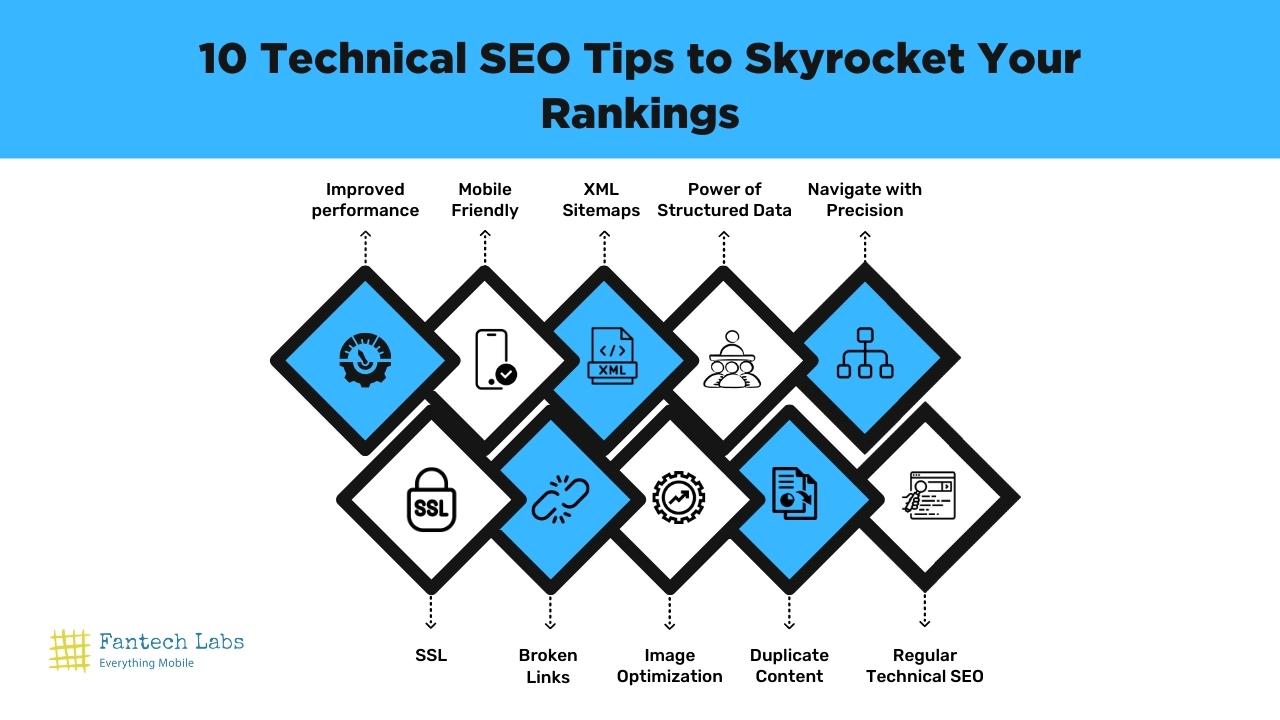
Technical SEO Elements
Website Speed Optimization
Now that we’ve explored Off-Page SEO strategies, let’s dive into Technical SEO elements that play a crucial role in improving user experience and search rankings. One of the foremost considerations is website speed optimization. Imagine eagerly clicking on a link, only to face a long loading time—frustrating, right? According to studies, a delay of just a few seconds can lead to significant increases in bounce rates, impacting your site’s performance.
To optimize your website’s speed, consider these strategies:
- Image Compression: Large image files can slow down a website. Use tools like TinyPNG or ImageOptim to compress images without losing quality.
- Minimize HTTP Requests: Reduce the number of elements on your page that require HTTP requests, such as scripts, stylesheets, and images.
- Leverage Browser Caching: Enabling caching allows returning visitors to load pages faster, as elements are stored in their browser.
Mobile-Friendly Design
Another essential element is ensuring your site has a mobile-friendly design. With a large number of users accessing the web via smartphones, having a responsive design is no longer optional—it’s imperative.
Consider the following best practices for a mobile-friendly site:
- Responsive Layout: Ensure your website automatically adjusts its layout based on the device being used. This includes readable fonts and properly sized images.
- Touch-Friendly Navigation: Make buttons and interactive elements larger and spaced out to facilitate easier navigation on smaller screens.
- Reduce Pop-ups: Intrusive pop-ups can frustrate mobile users. Aim for a clean design that enhances user experience instead.
Incorporating these Technical SEO elements—speed optimization and mobile-friendly design—can significantly enhance user satisfaction and improve your search engine rankings, ensuring your site is both functional and accessible to all visitors.

Measuring SEO Success
Utilizing Analytics Tools
Having implemented various SEO strategies, the next vital step is measuring their success. Utilizing analytics tools is essential for understanding how well your efforts are performing. Tools like Google Analytics and SEMrush provide valuable insights into your traffic sources, user behavior, and overall performance.
For example, Google Analytics allows you to track:
- Organic Traffic: See how many visitors are coming from search engines, which indicates the effectiveness of your SEO strategies.
- Bounce Rates: Monitor how many users leave your site after viewing only one page. A high bounce rate might suggest that your content isn’t resonating with your audience.
- User Behavior Flow: Analyze how users navigate through your site, offering insight into potential roadblocks they face.
Key Performance Indicators for SEO
In addition to utilizing analytics tools, identifying Key Performance Indicators (KPIs) is crucial to evaluate your SEO success accurately.
Consider focusing on these key metrics:
- Keyword Rankings: Track the positions of your targeted keywords to see how they fluctuate over time and whether your efforts are paying off.
- Conversion Rates: Measure how many visitors take desired actions—like signing up for a newsletter or making a purchase—indicating the effectiveness of both your content and optimization efforts.
- Page Load Time: Monitor how quickly your pages load, since faster sites tend to provide a better user experience, leading to increased engagement.
By actively utilizing analytics tools and focusing on critical KPIs, businesses can gain actionable insights that will inform their ongoing SEO strategies and drive continuous improvement. This systematic approach ensures that every optimization effort is rooted in data, ultimately enhancing overall success.

Evolving Trends in SEO
Voice Search Optimization
As we venture into the ever-changing landscape of SEO, one significant trend that has emerged is voice search optimization. With the rise of virtual assistants like Siri, Alexa, and Google Assistant, people are increasingly using their voices to conduct searches.
This shift requires a new approach to keywords. Here are some strategies to optimize for voice search:
- Natural Language: People often phrase questions differently when they speak compared to when they type. Instead of “best pizza delivery,” a voice search might look like “What’s the best pizza delivery near me?”
- Use of Long-Tail Keywords: Focus on longer, more conversational phrases that reflect how people naturally speak.
- Local SEO Importance: Voice searches frequently have local intent. Ensure your business information is accurate and optimized for local searches to capture this traffic.
Impact of Artificial Intelligence on SEO
Another evolving trend is the impact of artificial intelligence (AI) on SEO practices. AI technologies are transforming how search engines analyze and rank content.
For instance:
- Content Relevance: AI algorithms can analyze context and relevance on a deeper level. Ensuring high-quality, informative content that satisfies user intent becomes even more critical.
- Predictive Search Improvements: AI analyzes user behavior patterns to offer predictive search results, meaning businesses must stay updated with changing trends and what potential customers are looking for.
- Automation Tools: From automating social media posting to performing keyword research, AI-powered tools can help marketers streamline their efforts, allowing for more time to focus on strategy and creativity.
By actively adapting to trends like voice search optimization and embracing AI advancements, businesses can stay ahead of the curve in the competitive digital landscape. These shifts in user behavior and technology present opportunities for innovative strategies that enhance visibility and engagement.

Local SEO Optimization
Importance of Local Listings
Transitioning from the broader trends in SEO, let’s hone in on local SEO optimization, which is vital for businesses that serve their communities. Local listings are the backbone of local SEO, providing essential information about your business to potential customers searching for goods or services in their vicinity.
Think about it—when you need a pizza or a mechanic, you likely search for “pizza places near me” or “car repair nearby.” This is where local listings come into play. Here’s why they matter:
- Increased Visibility: Properly optimized local listings increase your chances of appearing in relevant searches, capturing local customers in the process.
- Consistent Information: Ensuring your name, address, and phone number (NAP) are consistent across multiple platforms establishes credibility and trust with users.
- Customer Reviews: Local listings often showcase reviews from customers, which can greatly influence potential customers’ decisions to choose your business over competitors.
Optimizing Google My Business
One of the most effective tools for local SEO is Google My Business (GMB). Optimizing your GMB listing is a straightforward process that can yield significant results.
Here’s how to do it effectively:
- Complete Your Profile: Fill out all sections, ensuring you include your business category, address, business hours, and contact information.
- Add Photos: Engaging images of your products or premises can attract attention and encourage clicks. Think of a mouthwatering picture of your pizza—it could make all the difference!
- Encourage Reviews: Invite satisfied customers to leave positive reviews on your GMB listing. Responding to reviews—both positive and negative—demonstrates excellent customer service.
By focusing on the importance of local listings and leveraging Google My Business, local businesses can build a solid online presence that attracts nearby customers and drives foot traffic. Local SEO is an essential piece of the digital marketing puzzle that should not be overlooked.

SEO Mistakes to Avoid
Keyword Stuffing
As we delve into the realm of effective SEO practices, it’s equally important to recognize and avoid common mistakes that can hinder your progress. One notorious pitfall is keyword stuffing—an outdated practice where a writer excessively incorporates keywords into their content in an attempt to manipulate search rankings.
Consider a website that sells artisanal pizza. Instead of naturally mentioning “homemade pizza” within the context of a recipe, they might end up inserting it multiple times in an awkward manner. The result?
- Poor User Experience: Readers will find the content unnatural and potentially stop engaging.
- Search Engine Penalties: Search engines have become highly sophisticated and can penalize sites for over-optimization, resulting in lower rankings.
A better approach is to focus on using keywords strategically within informative and valuable content.
Ignoring Mobile Optimization
Another critical mistake often made by businesses is ignoring mobile optimization. With a significant number of users browsing websites on their smartphones, having a responsive design is absolutely essential.
Think back to a time when you accessed a site that was hard to navigate on your phone—it’s frustrating! Here’s what can happen if you neglect this aspect:
- Loss of Traffic: Users are likely to leave your site if it doesn’t load properly on their mobile devices, leading to higher bounce rates.
- Lower Search Rankings: Google prioritizes mobile-friendly sites in its rankings, meaning a lack of optimization could hurt your visibility.
To avoid these pitfalls, make it a priority to focus on creating valuable content without overstuffing keywords and ensuring your website is fully optimized for mobile use. By learning from these mistakes, you can enhance your SEO strategy and improve user engagement across all platforms.
Conclusion
Recap of SEO Benefits
As we wrap up our comprehensive exploration of SEO, it’s essential to reflect on its many benefits. Implementing effective SEO strategies not only enhances your website’s visibility but also fosters meaningful connections with your target audience. Here’s a quick recap of the key benefits:
- Increased Organic Traffic: By optimizing for search engines, you drive more visitors to your site, improving leads and potential sales.
- Credibility and Trust: A higher ranking in search results lends credibility to your brand, making users more likely to engage with your content.
- Better User Experience: SEO practices focus on improving site structure and content quality, leading to a more enjoyable experience for visitors.
- Cost-Effective Marketing: Compared to traditional advertising, SEO can deliver long-term results without incurring ongoing costs.
Final Tips for Successful SEO Efforts
To amplify your SEO success, consider these final tips:
- Stay Updated: SEO is not static. Regularly follow industry changes and algorithm updates to remain relevant.
- Focus on Quality Content: Always prioritize providing valuable, informative content that satisfies your audience’s needs.
- Leverage Analytics: Use tools like Google Analytics to track your performance and adjust your strategies based on data insights.
- Engage with Your Audience: Encourage interaction through comments and social media to build a community around your brand.
By employing these strategies and recognizing the numerous benefits of SEO, you can lay a strong foundation for your website’s online presence, ensuring sustained growth and success in the digital landscape. Remember, effective SEO is a marathon, not a sprint, so stay committed and enjoy the journey!