
Understanding SEO Fundamentals
What is SEO?
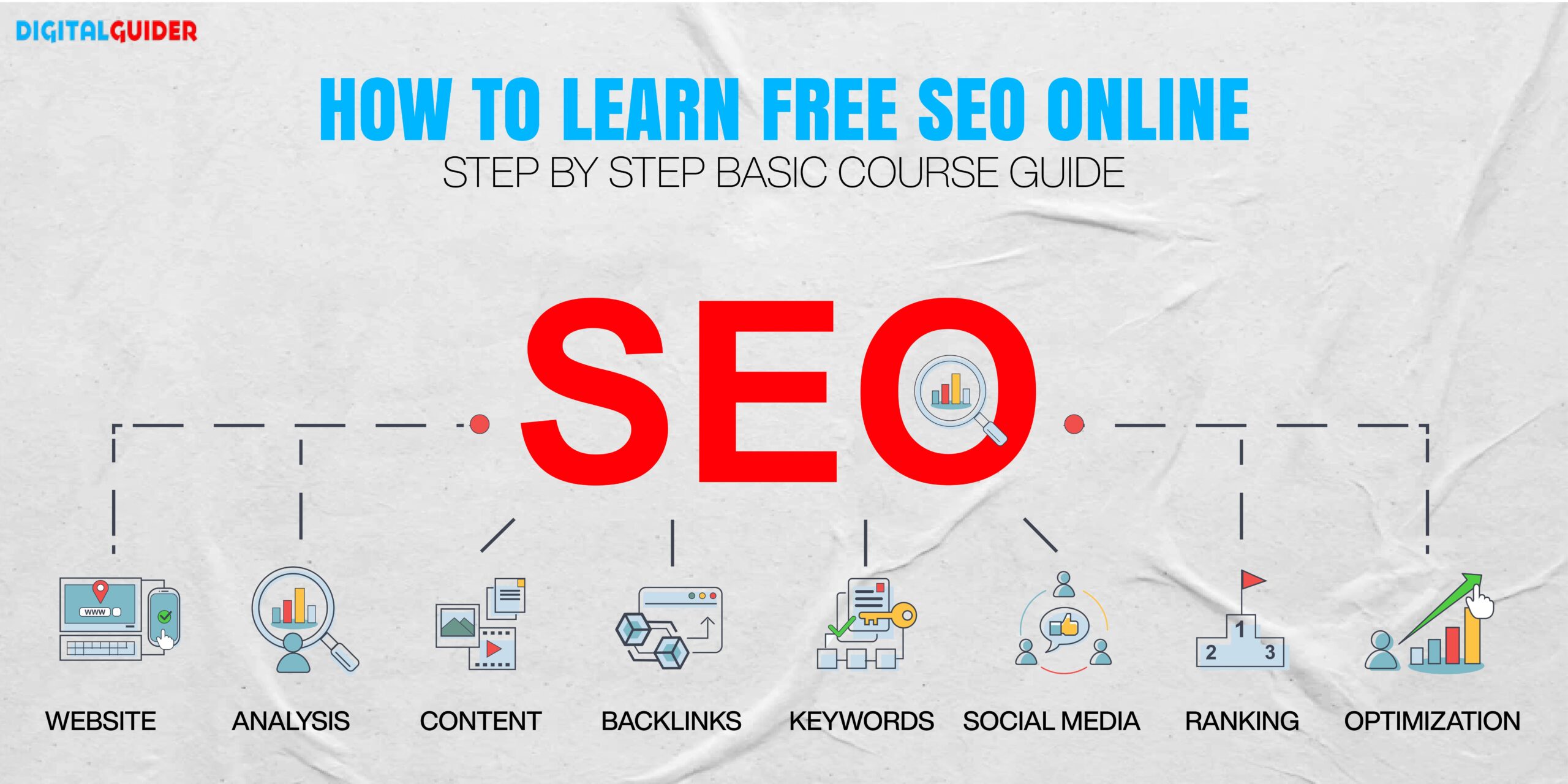
SEO, or <a href="https://redaezzat.me/seo/the-ultimate-guide-to-implementing-seo-strategies-for-increasing-website-traffic/”>Search Engine Optimization, is the art and science of enhancing a website’s visibility on search engines like Google, Bing, and Yahoo. The primary goal of SEO is to drive organic (non-paid) traffic to a site. Essentially, it’s about optimizing multiple aspects of a website to ensure that when potential customers search for relevant keywords, your site appears prominently in the search results.
A straightforward way to think about SEO is akin to “racking up points” on a game board. The more strategic actions you take to enhance your site’s authority and relevance, the higher your score, which translates to improved visibility in search results.
Why SEO is Important
One may wonder why SEO holds such significance in digital marketing.
Here are a few compelling reasons:
- Visibility and Branding : With millions of searches conducted daily, having a solid SEO strategy ensures that your website stands out.
- User Experience : Good SEO practices enhance user experience through faster load times and easy navigation.
- Trust and Credibility : Ranking high on search engines cultivates trust; users often associate top-ranking websites with authority.
Benefits of SEO for Businesses
The advantages of SEO extend far beyond just being a buzzword in marketing forums. Consider these benefits:
- Cost-Effectiveness : SEO is more affordable compared to traditional advertising, offering a higher return on investment.
- Long-Term Traffic : Unlike pay-per-click ads, SEO can lead to sustainable traffic even after initial investments lapse.
- Competitive Advantage : Companies that effectively leverage SEO strategies often outperform their competitors in online visibility.
In short, understanding SEO is not just beneficial—it’s essential for businesses looking to thrive in a competitive digital landscape.
Keyword Research and Analysis
Importance of Keywords in SEO
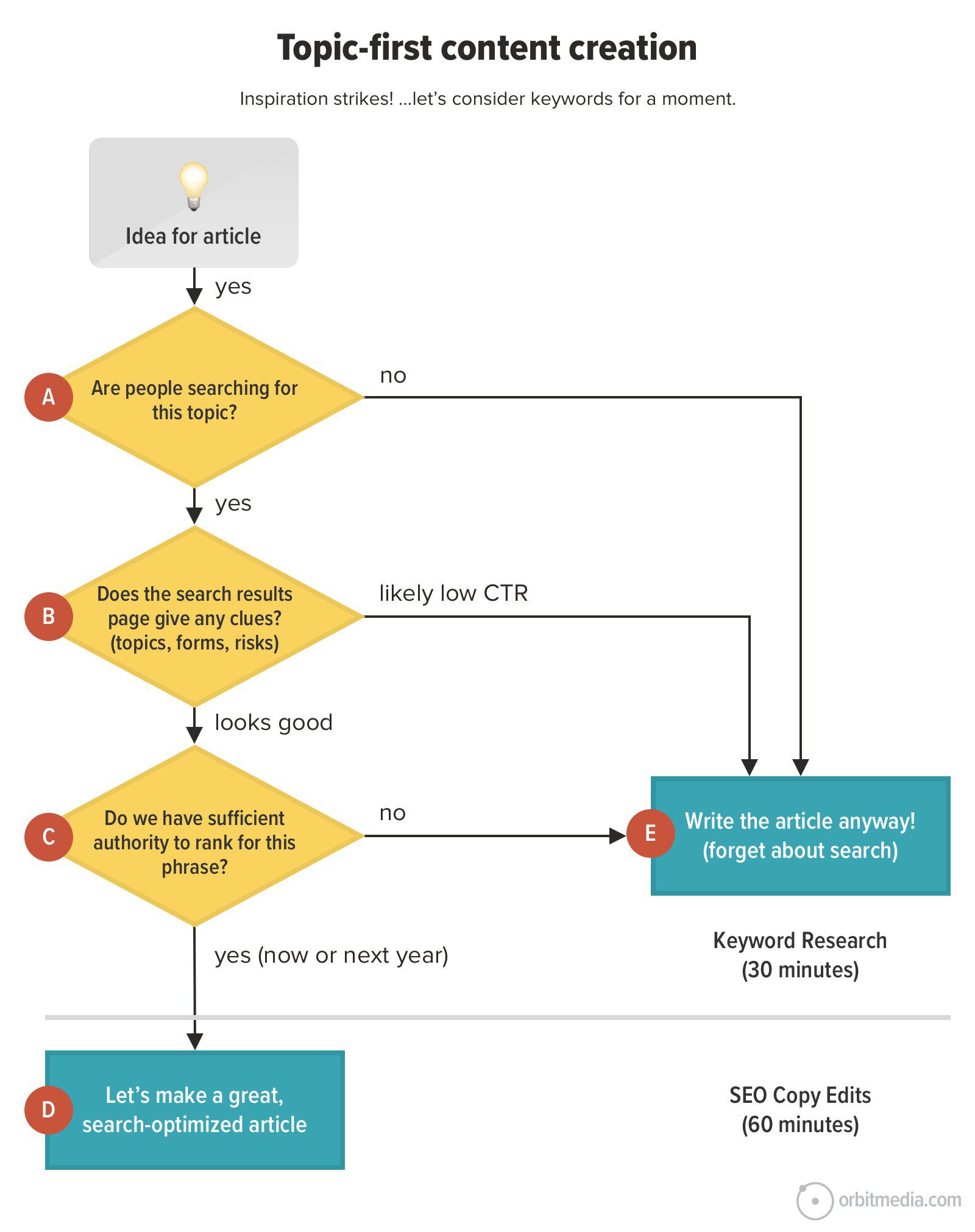
Now that we’ve laid the foundation with an understanding of SEO, let’s delve into one of its critical components: keywords. Keywords are the phrases and terms users type into search engines when seeking information. Think of keywords as the compass for your online content—they guide users straight to your website.
When chosen wisely, keywords can give your content focus and relevance. They help search engines understand what your pages are about and ensure that you’re effectively reaching your target audience. For instance, a local bakery in New York might thrive by optimizing their site for keywords like “best cupcakes in NYC” or “gluten-free desserts Brooklyn.”
Tools for Keyword Research
To uncover the right keywords, a variety of tools can assist you in your journey:
- Google Keyword Planner : A classic option that provides keyword ideas and search volume data.
- Ahrefs : This tool dives deeper into competition analysis and offers comprehensive keyword suggestions.
- SEMrush : A robust platform that not only helps in keyword research but also tracks your rankings.
Each of these tools provides valuable insights that can inform your content strategy.
Analyzing Keyword Competition and Volume
Once you have a list of potential keywords, the next step is analyzing their competition and search volume.
Here’s why this matters:
- Search Volume : This indicates how many searches a keyword receives. Higher search volumes can mean greater potential traffic.
- Competition : Assessing how many other websites are targeting the same keywords can help you gauge the difficulty of ranking for them.
Utilizing the tools mentioned, you can create an ideal balance of low competition keywords with decent search volume, leading to improved SEO performance. By strategically focusing on the right keywords, you’re setting your foundation for successful content that attracts the right audience!
On-Page SEO Optimization
Title Tags and Meta Descriptions
Having completed keyword research and analysis, it’s time to put that knowledge into action with on-page SEO optimization. A crucial aspect of this is creating compelling title tags and meta descriptions.
- Title Tags : Think of the title tag as a shop window. It’s the first thing users see in search results, and it encourages clicks. A good title tag should be under 60 characters, include your primary keyword, and be captivating. For instance, instead of a basic title like “Cupcakes,” try “Delicious Gluten-Free Cupcakes in NYC!”
- Meta Descriptions : Similarly, meta descriptions provide a brief summary of your page. While they don’t directly impact rankings, they influence click-through rates. Aim for around 155 characters and make it engaging.
URL Structure
Next, consider your URL structure. Clean and descriptive URLs make it easier for both users and search engines to understand the content of your pages. For example, a URL like “www.bakery.com/gluten-free-cupcakes” is more effective than “www.bakery.com/page123.” Short, descriptive URLs improve user experience and can positively impact SEO.
Content Optimization for SEO
Lastly, let’s talk about content optimization. Quality content is vital for SEO, but it’s not just about the words you use—it’s also about structure and readability.
- Use Headings : Headings (H1, H2, H3) break up your content, making it easier to digest.
- Incorporate Keywords : Naturally include primary and secondary keywords throughout your content—especially in the first 100 words.
- Engagement : Good content answers reader questions, solving their problems and keeping them engaged.
By focusing on these on-page SEO elements, you’ll enhance your site’s visibility and ensure a better user experience, setting the stage for greater traffic and conversions.

Technical SEO
Site Speed and Performance
With on-page elements optimized, it’s time to dive into the technical side of SEO. One of the most critical factors is site speed and performance. Users today expect websites to load quickly—ideally within three seconds! If your page takes longer than that, you risk losing visitors and potential customers.
To boost your site speed, consider the following:
- Optimize Images : Large images can slow down your site. Use tools like TinyPNG to compress images without losing quality.
- Minimize Redirects : Each redirect adds load time, so keep them to a minimum.
- Use a Content Delivery Network (CDN) : A CDN can deliver your content from servers closer to your users, speeding up the process.
Mobile-Friendliness
In addition to speed, mobile-friendliness is essential. With increasing numbers of users accessing the web via smartphones, ensuring your site looks and functions well on mobile devices is no longer optional—it’s a necessity.
You can check your website’s mobile compatibility using Google’s Mobile-Friendly Test. Here are some tips to improve mobile usability:
- Responsive Design : Ensure your site adjusts seamlessly to different screen sizes.
- Touch-Friendly Buttons : Make sure your buttons are easy to tap without accidental clicks.
Structured Data Markup
Lastly, let’s discuss structured data markup. Implementing this schema helps search engines better understand your content and context. It can enhance your search result listings with rich snippets, which draw users’ attention.
For instance, adding structured data for a recipe page could result in displaying cooking times and ratings directly in the search results. This not only increases visibility but can also lead to higher click-through rates.
By focusing on these technical SEO aspects, you’re laying a strong foundation that supports all your efforts in optimizing for search engine success!

Off-Page SEO Strategies
Link Building Techniques
Now that your technical aspects are in place, it’s time to amplify your efforts with off-page SEO strategies. One of the most effective methods is link building. Quality backlinks from authoritative sites signal to search engines that your content is trustworthy and valuable. Here are some proven link-building techniques:
- Resource Pages : Reach out to websites in your niche that feature resource lists and request to be included.
- Skyscraper Technique : Find popular content in your industry, create something even better, and then promote it to those who linked to the original piece.
- Broken Link Building : Identify broken links on relevant websites and offer your content as a replacement.
Social Media and SEO
Next, let’s explore the relationship between social media and SEO. While social media signals do not directly impact search rankings, an active presence can drive traffic to your site and enhance brand awareness.
Consider these strategies:
- Share Quality Content : Post your blog articles, infographics, and updates on various platforms like Facebook, Twitter, and LinkedIn.
- Engage with Your Audience : Respond to comments and participate in discussions to foster community and drive traffic back to your site.
Guest Blogging for SEO
Lastly, guest blogging remains a powerful strategy for boosting SEO. By writing quality articles for other websites, you can gain backlinks and expose your expertise to new audiences. When approaching potential sites for guest posts:
- Research : Ensure their audience aligns with yours and that they have a strong search presence.
- Provide Value : Focus on writing informative, high-quality content that offers genuine value to the host site’s readers.
Utilizing these off-page SEO strategies will enhance your overall visibility and authority in your niche, paving the way for increased traffic and conversion opportunities!
Local SEO Tactics
Optimizing Google My Business
Having discussed off-page strategies, let’s shift our focus to local SEO tactics. If you’re a local business, optimizing your Google My Business (GMB) profile is a game-changer. This free tool helps you manage how your business appears on Google Search and Maps. Start by:
- Claiming Your Listing : If you haven’t claimed it yet, do so! Ensure all contact information is accurate.
- Complete Your Profile : Add your business hours, photos, services offered, and a detailed description that includes relevant keywords.
- Post Updates : Use the GMB feature to share announcements, promotions, or events. It keeps your customers informed and engaged.
Local Citations and Listings
Next up are local citations and listings. Having your business name, address, and phone number consistent across various online platforms is crucial.
- List in Local Directories : Get listed in directories like Yelp, Yellow Pages, and niche-specific sites.
- Consistency Matter : Ensure that your NAP (Name, Address, Phone Number) is consistent everywhere. This boosts your credibility and helps search engines trust your business info.
Customer Reviews and Ratings
Finally, let’s talk about customer reviews and ratings. They play an enormous role in local SEO and influence potential customers’ decisions. Encourage happy customers to leave positive reviews on your GMB profile or Yelp.
- Respond to Reviews : Take time to thank customers for positive feedback and address any negative feedback constructively. This engagement shows that you value customer opinions.
Implementing these local SEO tactics will strengthen your online presence in your community, driving more traffic to your business and fostering customer loyalty.
Measuring SEO Success
Setting KPIs for SEO
With your local SEO tactics established, it’s crucial to measure the effectiveness of your efforts. The best way to do this is by setting Key Performance Indicators (KPIs) to gauge your SEO success. KPIs act as benchmarks for your SEO strategies, helping you assess what’s working and what isn’t. Consider these essential KPIs:
- Organic Traffic : The most straightforward metric, tracking how many visitors arrive at your website through organic search.
- Bounce Rate : This indicates the percentage of visitors who leave after viewing only one page. A high bounce rate may suggest that your content isn’t meeting user expectations.
- Conversion Rate : Measure how many visitors complete a desired action (like making a purchase or signing up for a newsletter) as a direct result of your SEO efforts.
Google Analytics for SEO Analysis
Now that you’ve set your KPIs, Google Analytics becomes your best friend for SEO analysis. This powerful tool allows you to dive deep into your website’s performance:
- Traffic Sources : Identify where your visitors are coming from. Is it organic search, social media, or referrals?
- User Behavior : Analyze how visitors interact with your site. Are they spending time on specific pages or quickly bouncing off?
Tracking SEO Performance Over Time
Finally, it’s important to track your SEO performance over time. Regularly revisiting your KPIs and Analytics data allows you to make informed adjustments to your strategy.
- Monthly Reports : Create monthly reports to track changes in traffic, rankings, and conversions. This habit keeps you informed and adaptable.
- Cross-Reference with Google Search Console : Use this tool to analyze search queries that lead users to your site and monitor your site’s overall health.
By measuring your SEO success effectively, you can refine your strategies to ensure that your efforts yield the best possible results over time. This ongoing analysis will keep your SEO game strong and relevant!
SEO Updates and Trends
Latest Algorithm Changes
As we continue to navigate the ever-evolving landscape of SEO, staying updated on the latest algorithm changes is crucial for maintaining your ranking. Search engines like Google regularly tweak their algorithms to enhance the user experience and deliver more relevant search results. For instance, the recent updates might emphasize factors like content quality, user experience, and mobile optimization.
To stay ahead:
- Follow SEO Blogs : Websites like Moz, Search Engine Journal, and Google’s own blog provide valuable insights into updates.
- Engage with the Community : Join SEO forums and groups where professionals discuss changes and share experiences.
Voice Search Optimization
With the rise of smart speakers and voice-activated devices, optimizing for voice search has never been more important. When consumers use voice search, they tend to ask questions in a more conversational tone. This shift means your content should adapt.
Consider these tips:
- Focus on Long-Tail Keywords : These usually mirror the natural language used in voice queries.
- Answer Questions Quickly : Structure your content to provide clear and concise answers to common queries.
Video SEO Strategies
Lastly, we cannot ignore the growing importance of video content. Video SEO strategies are vital, as platforms like YouTube have become major search engines themselves.
To optimize your videos:
- Use Descriptive Titles : Ensure your videos have engaging and keyword-rich titles to attract viewers.
- Add Transcripts : Including transcripts can improve accessibility and provide more text for search engines to crawl.
- Engage with Viewers : Encourage comments and shares to boost engagement, which is a key ranking factor.
By staying informed about these updates and trends in SEO, you’ll be better equipped to adjust your strategies and continuously improve your online presence. Adaptation is key in this dynamic digital landscape!

Creating an SEO Content Strategy
Importance of Content in SEO
Having discussed the latest SEO trends, it’s essential to turn our focus towards creating an effective SEO content strategy. Content is King, as many say, and it holds integral value in SEO. Quality content not only engages your audience but also helps search engines understand what your pages are about. When optimized properly, content can significantly improve your rankings on search engine results pages (SERPs), driving more organic traffic to your site.
For example, consider how a well-researched blog post can attract backlinks from other reputable sites, enhancing your authority.
Types of Content That Drive SEO
Different types of content can have unique impacts on your SEO efforts:
- Blog Posts : Regularly publishing informative and engaging blog posts can keep your audience returning for more.
- Infographics : Visual content is shareable and often gets linked back, boosting your SEO.
- Videos : As discussed, video content is increasingly popular, engaging users and increasing time spent on your site.
- How-To Guides and Resources : These types of content position your brand as an authority and are often sought after by users.
Content Calendar and Planning
To consistently produce high-quality content, implementing a content calendar is a must. A content calendar helps you plan your topics, posting schedule, and promotional strategies in advance.
- Set Goals : Determine what you want to achieve: increased traffic, engagement, or conversions?
- Assign Themes and Topics : Organize your content around specific themes relevant to your audience.
- Track Performance : Regularly review your posted content to assess what resonates with your audience and refine your approach.
By focusing on an SEO content strategy, you can boost your website’s visibility, engage your audience, and convert visitors into loyal customers. Planning and consistency are the keys to long-term success!
Implementing an E-commerce SEO Strategy
Product Page Optimization
As we transition into discussing e-commerce, implementing a solid SEO strategy for your online store is crucial to driving sales and attracting the right audience. One of the first steps is optimizing your product pages. These are your frontlines of conversion, so every detail counts.
To optimize product pages:
- High-Quality Images : Utilize clear, high-resolution images and include multiple angles. Consider adding videos for a better user experience.
- Clear Calls to Action (CTAs) : Use engaging CTAs, like “Buy Now” or “Add to Cart,” to guide the customer toward purchase.
SEO for Product Descriptions
Next, let’s focus on product descriptions. Effective product descriptions are essential for SEO and can dramatically impact your sales. Here’s how to craft them:
- Incorporate Relevant Keywords : Include primary and secondary keywords naturally within the text to help customers find your products through search.
- Highlight Unique Features : Provide detailed information about what sets your product apart. Consider format options like bullet points for clarity.
- User Experience : Make descriptions engaging and relatable to address potential customer concerns.
E-commerce SEO Tools and Platforms
Lastly, utilizing the right tools can streamline your e-commerce SEO efforts. Various platforms offer valuable resources:
- SEMrush : This tool offers comprehensive analytics to track your keyword performance and competitor strategies.
- Google Search Console : Monitor your site’s performance, identify issues, and see how Google indexes your pages.
- Ahrefs : Use Ahrefs for in-depth backlink analysis and keyword research specifically tailored for e-commerce.
By implementing an e-commerce SEO strategy that focuses on product page optimization, crafting compelling product descriptions, and leveraging the right tools, you can enhance your site’s visibility, drive traffic, and ultimately boost your sales!