

Understanding SEO Page Check
Importance of SEO Optimization
In today’s digital landscape, having an online presence is crucial for any business or individual. With millions of websites vying for attention, standing out can be a monumental challenge. This is where SEO optimization comes into play.
To put it simply, search engine optimization (SEO) refers to the strategies and practices that improve the visibility of a website in search engine results. When a website is optimized effectively, it increases the likelihood of attracting organic traffic, which can result in higher sales or engagement.
Consider a small bakery that started an online ordering system. Initially, no one could find their website on Google. After implementing SEO strategies, they optimized their site, ensuring it ranked highly for keywords like “fresh bread delivery” and “local bakery.” As a result, they saw a significant increase in site visitors and, ultimately, more orders.
Here are a few reasons why SEO optimization is vital:
- Increased Visibility: Enhanced presence on search engines leads to more clicks and engagement.
- Cost-Effectiveness: Compared to other marketing methods, SEO brings visitors to your site organically without the need for paid advertising.
- Credibility and Trust: Higher-ranked sites are often viewed as more trustworthy by users.
- User Experience: Good SEO often results in better website design, which enhances user experience.
What is SEO Page Check?
SEO Page Check is an evaluation process that aims to assess how well a particular webpage is optimized for search engines. This systematic approach involves analyzing various elements of a webpage to identify areas that need improvement. It acts like a health check for your web page, ensuring that all the crucial aspects contributing to its visibility are in top shape.
Imagine you have a website for a local gym. With SEO Page Check, you can examine features like meta tags, content quality, and multimedia usage. This process highlights:
- Meta Tags Optimization: Are the title and description tags relevant and compelling?
- Content Quality Assessment: Is the content valuable, unique, and engaging for users?
- Image and Multimedia Optimization: Are images correctly tagged, and is their size optimized for speed?
Through an SEO Page Check, website owners can discover not just where they’re performing well, but also where there’s room for growth. It’s akin to getting a roadmap of your site’s strengths and weaknesses regarding search engine performance.
Overall, an SEO Page Check is an indispensable tool for anyone looking to elevate their online presence. By continuously evaluating and optimizing web pages, individuals and businesses can stay competitive in their respective markets.
Key Elements of SEO Page Check
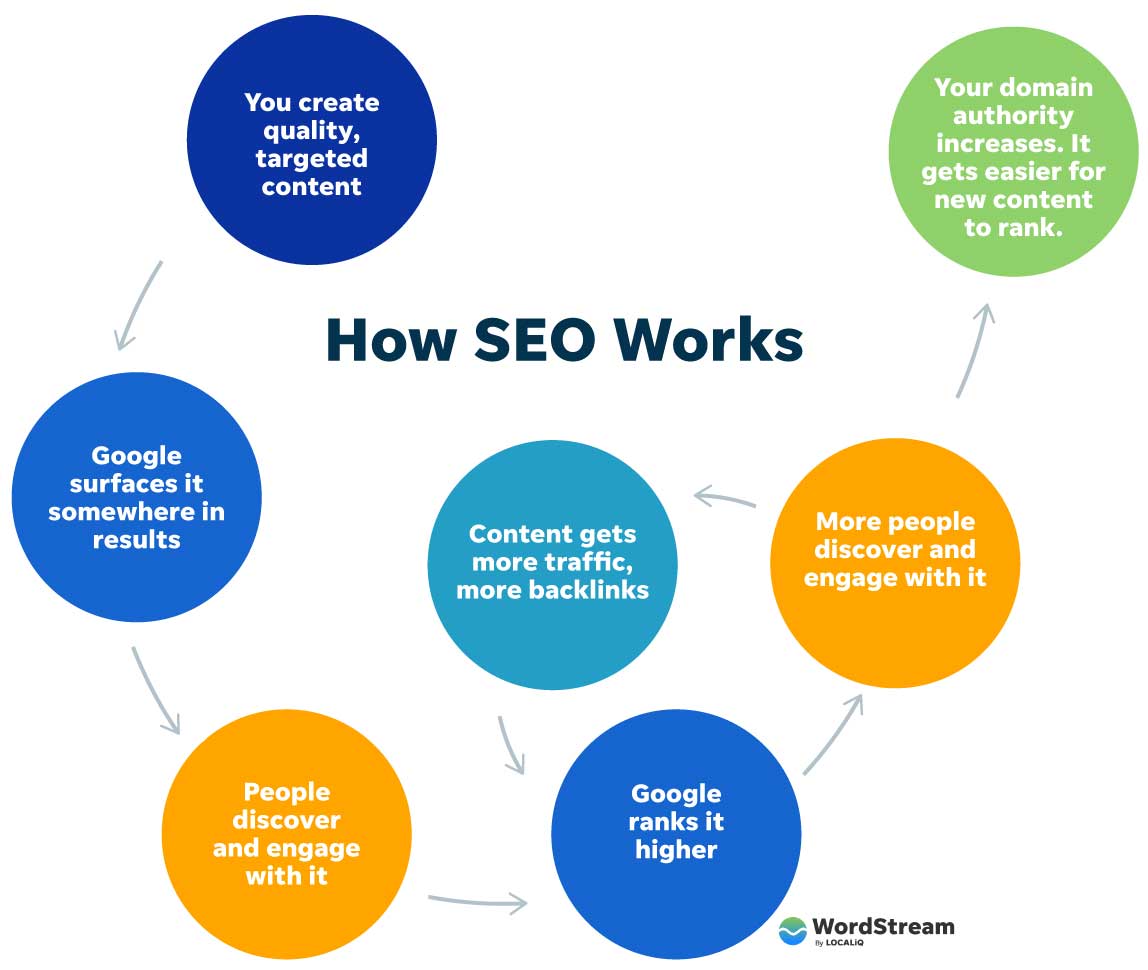
As we dive deeper into the SEO Page Check, it’s essential to highlight the key elements that contribute to a page’s overall performance. Each component plays a significant role in ensuring your content not only reaches your target audience but also resonates with them.
Meta Tags Optimization
Let’s start with meta tags—these small snippets of text describe a webpage’s content. Although they do not directly influence search engine rankings, they are critical in improving your site’s click-through rates from search results. Think of meta tags as the first impression a visitor gets of your webpage.
When optimizing meta tags, focus on the following:
- Title Tag: This is the headline that appears in search results. Ideally, it should be around 60 characters and include the primary keyword.
- Meta Description: This brief description summarizes the page’s content. Keep it under 160 characters, making it engaging and keyword-friendly.
- Header Tags (H1, H2, etc.): Use these to structure your content hierarchy. The H1 tag should contain the primary keyword and reflect the main topic of the page.
A personal experience is a great way to illustrate this. A blogger friend experimented with her meta tags and saw her click-through rate double after tweaking her title and description for better engagement.
Content Quality Assessment
Next up is content quality assessment, a cornerstone of any successful SEO strategy. Quality content is engaging and provides real value to the reader. It’s essential to conduct a thorough assessment of your content regularly.
Here are some aspects to evaluate:
- Relevance: Ensure the content answers the questions your target audience is asking.
- Originality: Plagiarized content can harm your reputation. Offering unique insights keeps readers coming back.
- Length and Structure: Longer, well-structured content tends to perform better. Aim for content that is at least 1,000 words, organized with headers and lists.
For instance, a friend of mine, who runs a travel blog, increased her page views significantly after she enriched her posts with accompanying data and personal anecdotes. Her readers found the content not only informative but relatable, leading to increased engagement.
Image and Multimedia Optimization
Lastly, let’s talk about image and multimedia optimization. In today’s visually-driven web, images and videos can significantly enhance user engagement. However, without proper optimization, they can also hinder a site’s performance.
To optimize images and multimedia, consider the following:
- File Names: Use descriptive, keyword-rich file names for images.
- Alt Text: This text helps search engines understand the content of the images. Ensure that it accurately describes the image in relation to the page content.
- Compression: Large files can slow down your page loading speed. Use image compression tools to reduce file sizes without sacrificing quality.
A local restaurant I once visited updated their website images using these methods. By labeling their photos with keywords related to their menu items, they saw an uptick in organic searches, as people looking for gluten-free options found their site more easily.
In summary, mastering these key elements—meta tags, content quality, and multimedia optimization—is essential for an effective SEO Page Check. By implementing these strategies, you can significantly enhance your site’s visibility and engagement.

Tools for SEO Page Check
Now that we’ve explored the key elements of an effective SEO Page Check, it’s time to talk about some powerful tools that can aid you in this process. These tools provide invaluable insights and allow you to fine-tune your site for optimal performance.
Google Search Console
First on the list is Google Search Console. This free tool provided by Google is essential for any website owner. It helps you monitor, maintain, and troubleshoot your site’s presence in Google Search results.
Using Google Search Console, you can:
- Analyze Performance: See which queries bring users to your site and track click-through rates.
- Check Indexing Status: Ensure that Google can index your pages effectively.
- Monitor Mobile Usability: With mobile-friendly design being a significant ranking factor, this feature helps in identifying usability issues on mobile devices.
For instance, a small e-commerce store I know used Google Search Console to discover that a large number of users were searching for a product that wasn’t correctly indexed. Once they fixed the indexing issue, their traffic increased dramatically, leading to higher sales.
SEMrush
Next up is SEMrush, a versatile tool designed for both SEO and content marketing. Although it’s a paid tool, many find the investment worth it due to its extensive features.
With SEMrush, you can:
- Conduct Keyword Research: Discover keywords that competitors are ranking for and use this data to enhance your content strategy.
- Perform Site Audits: Identify critical issues affecting your web pages, such as broken links, missed alt tags, and optimization suggestions.
- Track Backlinks: Monitor your website’s backlinks, as the quality and quantity of backlinks play a significant role in SEO rankings.
I remember when a friend was struggling to rank for specific keywords in her health blog. By utilizing SEMrush to analyze her competitors, she learned which keywords to target, significantly improving her content strategy and organic traffic over time.
Moz Pro
Finally, we have Moz Pro, another powerful SEO tool trusted by many professionals. Moz Pro offers a comprehensive set of tools designed to enhance your website’s SEO efforts.
Features of Moz Pro include:
- Site Audits: Automatically scan your site to identify potential SEO issues and get recommendations on how to fix them.
- Page Optimization: Provide insights for improving individual pages based on specific keywords, helping you optimize content appropriately.
- Rank Tracking: Keep track of where your website stands with different keywords over time, allowing you to measure the effectiveness of your SEO efforts.
A colleague in digital marketing once shared a success story using Moz Pro. By regularly running audits and following optimization recommendations, their client’s website climbed the rankings for multiple key terms, resulting in a notable increase in organic traffic.
In conclusion, leveraging these powerful tools—Google Search Console, SEMrush, and Moz Pro—can enhance your SEO Page Check significantly. Each of them offers unique insights that can empower you to optimize your website effectively, leading to better visibility, increased traffic, and ultimately, greater success in your online endeavors.

Tips for Optimizing Your Content
With a solid understanding of essential tools for SEO Page Check under your belt, the next step is to learn how to optimize your content effectively. Implementing practical strategies will not only enhance your website’s visibility but also improve user experience. Let’s explore some actionable tips that can lead to better SEO performance.
Keyword Research and Placement
Keyword research forms the backbone of effective SEO. It’s the process of identifying the terms and phrases that potential visitors are searching for related to your content. Once you have your keywords, how you incorporate them into your content is crucial.
Here are some steps for effective keyword research and placement:
- Utilize Tools: Tools like Google Keyword Planner or SEMrush can help you identify popular keywords in your niche. Look for keywords with good search volume but manageable competition.
- Focus on Long-Tail Keywords: These are longer, more specific phrases. For example, “best gluten-free bread recipes” instead of just “bread.” They often have lower competition and higher conversion rates.
- Strategic Placement:
- Include your primary keyword in the title, H1 tags, and the first paragraph.
- Use variations of your keyword throughout the content without keyword stuffing.
A friend of mine, a travel blogger, saw a significant boost in her blog traffic after focusing on long-tail keywords related to her niche. Instead of competing with broader terms, she targeted more specific ones, attracting a more targeted audience.
On-Page SEO Techniques
On-page SEO techniques revolve around optimizing individual pages to rank better and earn more relevant traffic. Here are some key practices:
- Title Tags and Meta Descriptions: Craft compelling, keyword-rich title tags and meta descriptions. This helps search engines understand your content and entices users to click.
- Header Tags: Use header tags (H1, H2, H3) to structure your content. This not only improves readability but also helps search engines understand the hierarchy of your content.
- Internal Linking: Link to other relevant pages or articles on your site. This keeps users engaged and helps search engines crawl your site more effectively.
Consider a local restaurant’s website that I came across. They used clear and attractive title tags along with internal links that guided visitors to their menus, special promotions, and blog articles. As a result, users spent more time on the site, ultimately leading to increased reservations.
Mobile-Friendly Design Considerations
In an era where mobile usage has surged, ensuring your site is mobile-friendly is essential. Google prioritizes mobile-first indexing, meaning it evaluates the mobile version of your site before the desktop version.
Here are some tips for optimizing your site for mobile devices:
- Responsive Design: Ensure your website adjusts seamlessly to various screen sizes. Responsive design creates a better user experience, keeping visitors on your site longer.
- Fast Loading Speeds: Mobile users are impatient. Optimize images and use caching techniques to enhance your site’s loading speed.
- Clear Navigation: Simplify navigation for mobile users. Large buttons, easily clickable links, and a clean layout improve usability on smaller screens.
For example, a local bakery revamped its website, focusing on mobile optimization. They made their menu easily accessible on mobile devices, resulting in a notable increase in online orders, especially from customers on the go.
In summary, mastering keyword research and placement, implementing effective on-page SEO techniques, and ensuring a mobile-friendly design are crucial steps in optimizing your content. By taking these measures, you’ll boost your chances of ranking higher in search engine results and providing a better experience for your visitors.
Measuring Success: SEO Page Check Metrics
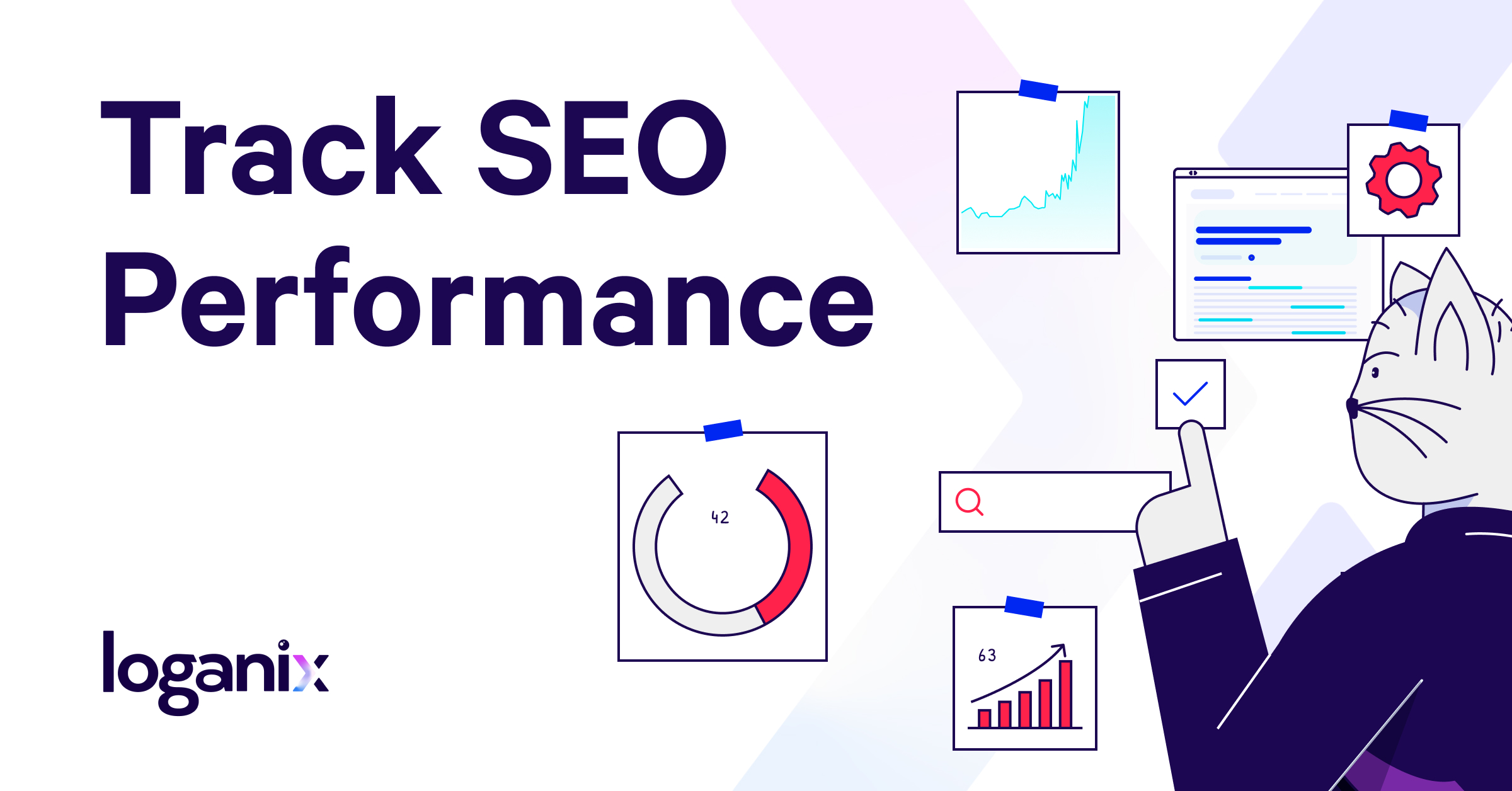
As you implement various strategies to optimize your content, it’s vital to measure your success through specific metrics. These metrics provide insights into how well your SEO efforts are performing. A comprehensive SEO Page Check involves analyzing organic traffic growth, keyword ranking improvements, and user engagement metrics. Let’s explore each of these in detail.
Organic Traffic Growth
Organic traffic growth is one of the most straightforward indicators of your success in SEO. It represents the number of visitors who land on your website through unpaid search results. Tracking this metric helps you understand how effective your SEO and content strategies are.
Here are some ways to monitor organic traffic growth:
- Google Analytics: Use this tool to track the number of visitors coming from search engines over time. Look for trends in traffic to assess the effectiveness of your SEO efforts.
- Set Goals: Establish specific traffic targets based on your content updates or campaigns. This gives you a benchmark to measure growth against.
For instance, a friend who operates a photography website documented his organic traffic growth month by month after regularly posting optimized content. After six months, he observed a staggering 50% increase in visitors, translating into more inquiries for his services.
Keyword Ranking Improvements
Next, let’s discuss keyword ranking improvements. This metric evaluates how well your website ranks for specific keywords over time. Achieving high rankings for targeted keywords correlates closely with increased organic traffic. Here’s how to track this metric:
- Rank Tracking Tools: Tools like SEMrush and Moz Pro can help monitor your keyword rankings regularly. You can see fluctuations and trends over time.
- Reports: Create reports to analyze which keywords are performing well and which need further optimization.
A local gym created a focused strategy around certain keywords related to fitness classes. Just a few weeks after implementing SEO tactics, they ranked on the first page of Google for several key phrases. The gym owner used rank tracking tools to confirm that consistent focus on optimizing these keywords significantly improved site visits.
User Engagement Metrics
Lastly, user engagement metrics give you insights into how effectively visitors are interacting with your website. High engagement levels often indicate quality content and a good user experience, both of which are critical for retention and ranking. Key metrics include:
- Bounce Rate: A high bounce rate can indicate that visitors are not finding what they’re looking for, whereas a low bounce rate suggests they are engaging with your content.
- Average Session Duration: This measures how long users stay on your site. Longer sessions typically mean users are consuming your content and finding it valuable.
- Pages Per Session: This metric shows how many pages users view during a single visit. More pages indicate deeper engagement with your site.
A personal anecdote involves an online magazine that I used to contribute to. After conducting an SEO Page Check and optimizing their content, they noticed significant improvements in user engagement metrics. Their bounce rate dropped significantly as readers began exploring multiple articles on various topics, which boosted overall traffic!
In conclusion, measuring SEO success through organic traffic growth, keyword ranking improvements, and user engagement metrics is essential. These metrics not only reflect the effectiveness of your optimization efforts but also guide future strategies, ensuring you continue to improve your website’s performance in a competitive digital landscape. By regularly assessing these metrics, you’re setting up a framework for continued growth and success in your SEO journey.