

Overview of Google’s Latest SEO Updates
Introduction to Google’s Algorithm Changes
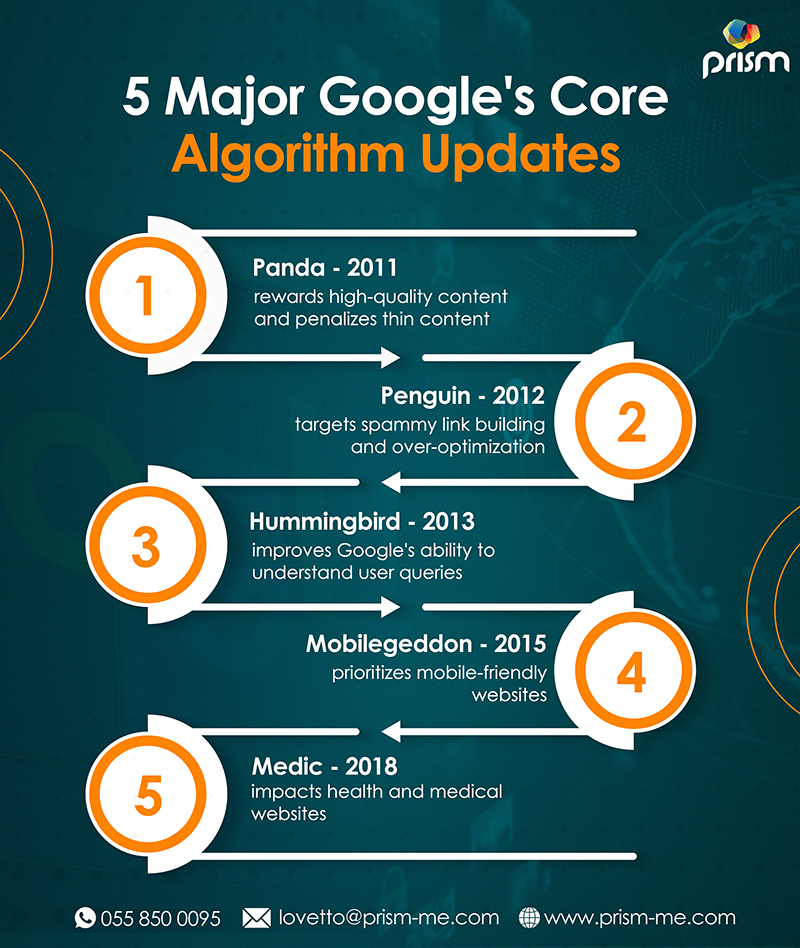
With the ever-evolving landscape of digital marketing, staying updated on Google’s algorithm changes is crucial for any website owner or SEO specialist. Google continuously refines its search algorithms to enhance user experience, making adjustments that can dramatically affect how websites rank in search results. For instance, the recent focus on improving page experience underscores Google’s commitment to delivering valuable content in a user-friendly manner.
These updates are often rolled out several times a year, each targeting different aspects of search engine optimization. The shifts may feel overwhelming, but they also offer valuable opportunities to refine strategies and improve website visibility. It’s like being at a constantly changing carnival; once you think you’ve found the best ride, a new, thrilling attraction opens up.
Impact on Search Engine Rankings
The impact of Google’s updates on search engine rankings can be profound. Many website owners have experienced fluctuations, sometimes seeing significant drops in traffic. In fact, here are some potential outcomes following a major update:
- Positive Result : Websites that prioritize quality content and excellent user experience may see a boost in their rankings.
- Negative Consequence : Sites that neglect mobile optimization or have slow loading times may suffer decreased visibility.
- No Change : Some businesses might notice no alteration in their rankings, depending on their current SEO practices and alignment with Google’s guidelines.
For example, following the introduction of the Core Web Vitals update, several businesses that invested in site speed and mobile-friendliness reported an uptick in organic traffic. Conversely, others that ignored these signals saw their ranking positions sink.
In summary, understanding Google’s algorithm changes is not just about adapting to new rules; it’s about aligning your website’s performance with user expectations. The continuing evolution of SEO is akin to a game of chess, where anticipating moves and strategizing accordingly is key to achieving long-term success. By staying informed and adapting to these updates, businesses can navigate the complexities of search engine rankings and secure their place in the digital arena.

Core Updates from Google
Page Experience Update
With the introduction of the Page Experience Update, Google emphasizes the importance of how users perceive their interaction with websites. Factors like loading speed, interactivity, and visual stability now play a significant role in how sites rank. For example, a site that loads quickly and provides seamless navigation is likely to perform better in search results.
Core Web Vitals
Central to the Page Experience Update are the Core Web Vitals. These metrics measure essential aspects of user experience:
- Largest Contentful Paint (LCP) : This metric assesses loading performance. Ideal LCP times are under 2.5 seconds.
- First Input Delay (FID) : It gauges interactivity by measuring the delay between user interaction and browser response. Aim for an FID of less than 100 milliseconds.
- Cumulative Layout Shift (CLS) : This measures visual stability. A CLS score of less than 0.1 is considered good.
Implementing improvements based on these metrics can significantly enhance user engagement.
User Experience Signals
User experience signals extend beyond technical performance. Factors such as mobile usability, safe browsing, HTTPS security, and intrusive interstitials all contribute to the overall experience. Websites that focus on these aspects can cultivate visitor trust and satisfaction.
Mobile-First Indexing
In today’s mobile-centric world, Google has adopted mobile-first indexing, meaning it primarily uses the mobile version of a site for indexing and ranking. If your site is not mobile-friendly, now is the time to invest in a responsive design.
Mobile Optimization
Optimizing for mobile is not just about responsive design; it’s about ensuring quick loading times, easy navigation, and readable text without zooming. With more users accessing sites via mobile devices, neglecting this aspect can result in lost traffic.
Responsive Design
Responsive design ensures your site looks and functions well on various devices. It minimizes the need for separate mobile versions, streamlining your SEO efforts.
BERT Update
Another significant development is the BERT update, which utilizes advanced natural language processing to understand the context of searches better. This means that content relevance is more critical than ever.
Natural Language Processing
Natural language processing enables Google to interpret user queries effectively. This means content creators must focus on crafting natural, conversational content to match user intent.
Content Relevance
Ultimately, content relevance is the thread linking all these updates. By ensuring that your content is informative, relevant, and engaging, you can align with Google’s goals, fulfilling user needs while improving your search rankings. Emphasizing these core updates will pave the way for a successful and adaptive SEO strategy.

Content Optimization Strategies
Quality Content Creation
Creating quality content is the cornerstone of effective SEO. It’s not just about filling pages with keywords; rather, it’s about providing original, informative, and engaging material that resonates with your audience. Think of your website as a bookshelf; the more valuable and captivating your books, the more likely visitors will come back for more. For instance, when I revamped my blog with in-depth guides and visuals, my audience engagement skyrocketed.
E-A-T Principles
Google emphasizes E-A-T: Expertise, Authoritativeness, and Trustworthiness. These principles signify that your content should come from credible sources. To boost your E-A-T:
- Include author bios that highlight qualifications.
- Link to reputable sources that back up your claims.
- Regularly update content to ensure its accuracy.
User Intent
Understanding user intent is crucial. Are users looking for quick answers, in-depth articles, or product comparisons? Tailoring your content to meet these needs can significantly increase your relevance. For example, if users frequently search for “how-to” articles related to your products, consider creating a dedicated section on your site for these guides.
On-Page SEO Best Practices
On-page SEO encompasses several practices that optimize individual pages to rank higher. Here are some essentials:
- Use clear headings (H1, H2, H3) to structure content.
- Incorporate keywords naturally within the text.
- Utilize internal linking to guide users through related content.
Meta Tags Optimization
Meta tags, including title tags and meta descriptions, play a significant role in SEO. They are often the first impressions users get of your content on search engines. Make them concise, engaging, and keyword-rich to attract clicks.
Keyword Research
Conducting thorough keyword research helps identify what your audience is searching for. Tools like Google Keyword Planner and SEMrush can uncover high-volume, low-competition keywords.
Technical SEO Enhancements
Technical SEO ensures that your website meets the technical requirements of modern search engines. This includes:
- Ensuring your website is mobile-friendly.
- Implementing an XML sitemap for easier indexing.
- Monitoring for crawl errors regularly.
Site Speed
Site speed is a critical factor for both user experience and SEO. Slow-loading pages can lead to higher bounce rates. Use tools like Google PageSpeed Insights to identify bottlenecks and speed up your site.
Schema Markup
Finally, implement schema markup to provide search engines with additional context about your content. This can enhance your visibility in search results through rich snippets. Not only does it improve click-through rates, but it also enhances your overall authority in search rankings.
By systematically applying these content optimization strategies, website owners can improve their performance in search results and create a more engaging experience for their audience. Emphasizing quality, relevance, and technical soundness will set the foundation for long-term success and sustainable traffic growth.

Backlink Building in the Post-Update Era
Importance of Quality Backlinks
In the latest climate of SEO, the significance of quality backlinks cannot be overstated. Google views backlinks as votes of confidence from other sites, indicating that your content is credible and authoritative. A single high-quality backlink from a respected site can elevate your rankings significantly, while a host of low-quality links can have the opposite effect. Think of backlinks as endorsements; the more reputable the endorser, the better it reflects on you.
Link Building Strategies
Engaging in effective link building strategies is paramount to enhance your site’s SEO. Here are several strategies to consider:
- Research Competitors : Analyze backlinks from your competitors to identify potential opportunities.
- Create Shareable Content : High-quality, unique content naturally earns backlinks. Infographics, in-depth guides, and case studies can encourage sites to link to yours.
- Network within Your Niche : Building relationships with influencers and fellow bloggers can lead to collaborative opportunities that earn valuable links.
Guest Blogging
Guest blogging remains one of the most effective strategies for acquiring quality backlinks. By contributing informative articles to reputable blogs in your industry, you can:
- Showcase your expertise.
- Gain exposure to a wider audience.
- Include backlinks to your site, enhancing its authority.
Remember to choose blogs that align with your audience and ensure that your content adds real value.
Broken Link Building
Another resourceful technique is broken link building. This involves finding broken links on reputable websites and reaching out to the site owner with a suggestion to replace the broken link with one pointing to your relevant content.
A personal experience taught me the effectiveness of this strategy; while browsing a popular industry blog, I noted a broken link. I contacted the author, pointed out the issue, and suggested my own article as a replacement. They appreciated the insight and promptly added my link.
Disavow Tool and Penalty Recovery
In the post-update era, monitoring your backlink profile is imperative. If your site has accumulated low-quality or spammy backlinks, it could be penalized. Google provides the Disavow Tool, a handy feature that lets you disassociate your site from harmful links. If you’ve suffered a penalty, using this tool along with a recovery strategy can help restore your rankings.
By implementing these backlink building strategies and focusing on quality over quantity, you can solidify your website’s authority in a competitive online landscape. These approaches not only enhance your visibility but also build relationships within your industry, fostering growth and increased traffic over time.
Monitoring and Adapting to SEO Changes
SEO Audit Considerations
In a digital landscape defined by frequent algorithm updates, regular SEO audits are essential to ensure your website is performing optimally. An SEO audit serves as a comprehensive evaluation of your site’s health, revealing areas for improvement. When conducting an audit, consider the following:
- Technical SEO Issues : Check for issues related to site speed, mobile-friendliness, and crawl errors.
- Content Quality : Evaluate the relevance, quality, and freshness of your content. Outdated or thin content may hurt your rankings.
- Backlink Profile : Analyze your backlinks to ensure they remain high-quality and relevant.
Tools for Monitoring
A variety of tools can facilitate your SEO monitoring efforts. Popular options include:
- Google Analytics : Offers insights into traffic patterns, user behavior, and conversion rates.
- Google Search Console : Provides data on indexing status, search queries, and potential issues impacting performance.
- SEMrush and Ahrefs : These platforms deliver comprehensive analysis on keyword rankings, competition, and backlink profiles.
Personally, I’ve found Google Search Console invaluable for tracking how shifts in algorithms affect my site’s visibility.
Key Metrics to Track
Certain key metrics serve as indicators of your site’s performance:
- Organic Traffic : Monitor fluctuations in organic traffic to gauge the impact of updates.
- Bounce Rate : A high bounce rate may indicate that users aren’t finding what they expect.
- Conversion Rate : Tracking conversions helps measure the effectiveness of your content and can inform future strategies.
Adapting to Future Updates
Adapting to future SEO updates requires agility and foresight. Stay informed about upcoming changes through SEO news sites and online communities. By being proactive, you can adjust your strategies well in advance. For instance, after learning about the emphasis on Core Web Vitals, I quickly prioritized site speed improvements to maintain my site’s rankings.
Continuing Education
As SEO is constantly evolving, continuous education is crucial. Enroll in webinars, participate in online courses, or read up on the latest best practices. Forums and social media groups can also be excellent resources for shared knowledge and experiences.
Experimentation and Testing
Finally, never underestimate the power of experimentation. Test new strategies on a small scale—whether it’s trying different content formats or implementing new SEO techniques. Analyze the results and refine your approach based on what works.
By meticulously monitoring your website’s performance and remaining adaptable to changes, you can ensure long-term success in the ever-shifting realm of SEO. Embracing a mindset of continuous improvement will position you favorably against competitors in the digital space.
Conclusion
Recap of Key SEO Updates
As we wrap up our exploration of SEO in the context of recent updates, it’s crucial to highlight the major shifts that have reshaped how we approach digital marketing. Google’s focus on user experience has been pivotal, emphasizing factors like:
- Core Web Vitals : Ensuring your site loads quickly, is interactive, and maintains stability.
- E-A-T Principles : Prioritizing expertise, authoritativeness, and trustworthiness in content.
- Mobile-First Indexing : Adjusting to a search engine landscape where mobile usability reigns supreme.
These updates remind us that SEO is not static; it evolves in response to user needs and technology. For instance, after implementing a site redesign focused on mobile optimization, I saw a remarkable improvement in both user engagement and search rankings.
Strategies for Long-Term Success
To thrive in this dynamic environment, adopting strategies that promote long-term success is essential. Here are some key approaches:
- Prioritize Quality Over Quantity : Focus on creating high-quality, informative content that genuinely speaks to your audience’s needs. Regularly updating and ensuring relevance will keep your content fresh.
- Embrace Continuous Learning : Keep yourself informed about the latest trends, updates, and best practices in SEO. Engaging in ongoing education through courses, webinars, and industry forums can be tremendously beneficial.
- Analyze and Adapt : Regularly monitor your website’s performance and be prepared to adapt your strategies as needed. Use tools like Google Analytics and Search Console to track key metrics and understand audience behavior.
- Build Relationships : Networking within your industry can lead to valuable partnerships and guest blogging opportunities. Engaging with fellow professionals not only builds backlinks but also enriches your knowledge.
- Implement Technical SEO Practices : Regularly conduct SEO audits to identify and resolve technical issues that may hinder your website.
By synthesizing these updates and implementing them into your strategy, you’re not just reacting to change; you’re positioning your website as a trustworthy resource in the digital landscape. Remember, successful SEO isn’t just about rankings; it’s about creating a lasting connection with your audience that drives traffic and encourages retention. Let’s embrace the journey ahead, continually learning and adapting to navigate the exciting world of SEO!