
Introduction
Overview of SEO Audit Reports
In today’s digital landscape, ensuring that a website performs optimally is crucial for online success. SEO audit reports serve as detailed assessments that dissect various components of a website’s search engine optimization strategies. They provide insights into how well a website ranks against its competitors and identify areas needing improvement. An SEO audit encompasses technical SEO, on-page and off-page elements, keywords, and content relevancy, making it a comprehensive tool for marketers and business owners alike.
Think of an SEO audit report as a health check for your website. Just as one would visit a doctor for a check-up to spot any potential health issues, an SEO audit helps identify weaknesses before they impact your site’s performance.
Importance of Conducting SEO Audits
Conducting regular SEO audits is not just good practice; it’s essential for the longevity of a website. Here’s why:
- Visibility: Search engines are meticulous about the quality of content and technical health of websites. Regular audits help maintain and improve visibility.
- Competitiveness: The online space is crowded. An audit helps to discover strategies that your competitors might be employing effectively.
- User Experience: Enhancing website performance contributes to a better user experience, which can lead to higher conversion rates.
Without an SEO audit, businesses risk falling behind, losing potential traffic, and ultimately, revenue. Thus, making this an essential part of any digital marketing strategy.

Understanding SEO Audit Reports
What is an SEO Audit Report?
An SEO audit report is a comprehensive evaluation of a website’s search engine optimization efforts. It assesses various factors like site structure, content quality, and backlink profiles, helping website owners understand what works and what doesn’t. Essentially, it’s like a detailed roadmap outlining a website’s strengths and weaknesses in the digital realm.
For instance, when I first launched my blog, I was overwhelmed by all the SEO tools available. After conducting my first audit, I found gaps in my keyword usage and site speed that I hadn’t even noticed. This report was invaluable in steering my strategy in the right direction.
Benefits of SEO Audit Reports
The advantages of conducting an SEO audit are numerous:
- Improved Search Rankings: By identifying and fixing issues, websites can enhance their search engine ranking.
- Enhanced User Experience: Audits spotlight areas that can be optimized for better usability, making visitors more likely to stay and engage.
- Actionable Insights: An audit report provides specific recommendations, making it easier to create an actionable strategy for improvement.
Types of SEO Audit Reports
There are several types of SEO audit reports that cater to different needs:
- Technical SEO Audit: Focuses on backend elements such as site speed, mobile-friendliness, and SSL certification.
- On-Page SEO Audit: Analyzes content elements like keyword usage, meta tags, and internal linking strategies.
- Off-Page SEO Audit: Evaluates backlink profiles and assesses brand reputation online.
By understanding the various types of SEO audit reports available, businesses can select the most pertinent ones to refine their online presence effectively.
Components of an SEO Audit Report
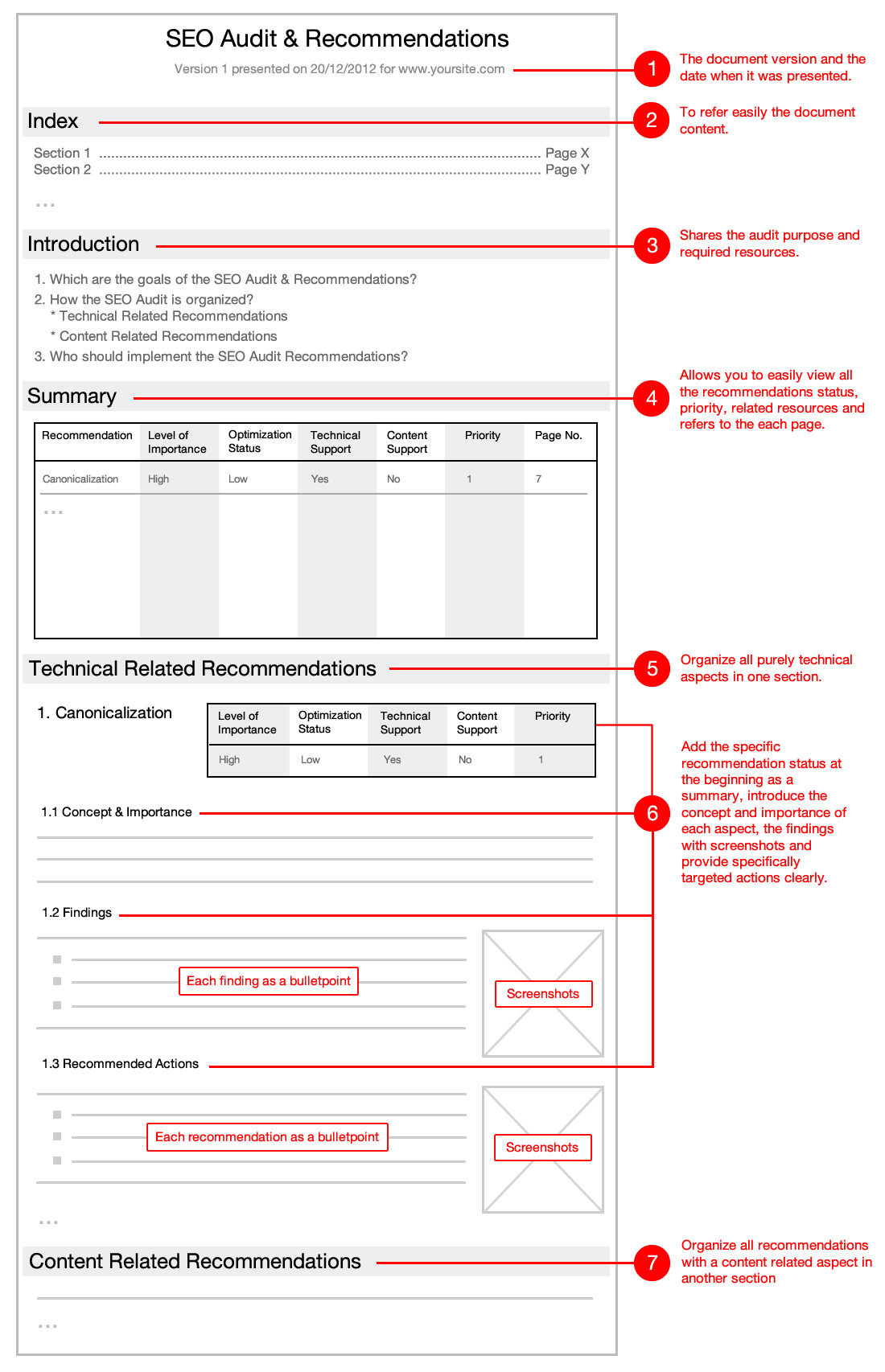
Technical SEO Analysis
The first crucial component of an SEO audit report is the Technical SEO Analysis. This section delves into the underpinnings of your website’s performance. It checks aspects such as site speed, mobile responsiveness, and the presence of SSL certificates. For example, after reviewing my site’s technical SEO, I discovered that my images were too large, significantly slowing down load times. Making those images more web-friendly boosted my speed by 30%, improving user satisfaction and search rankings.
On-Page SEO Assessment
Next comes the On-Page SEO Assessment, where the focus shifts to the content and structure of individual web pages. This part evaluates title tags, meta descriptions, headers, and keyword distribution. My first website suffered from keyword stuffing—trying to fit in too many keywords without natural flow. An effective audit helped me streamline content while still optimizing for search engines, leading to better engagement from my visitors.
Off-Page SEO Evaluation
The Off-Page SEO Evaluation examines external factors influencing your website’s authority and ranking, such as backlinks and social media presence. Quality backlinks from reputable sites can significantly boost your ranking. After receiving my SEO report, I realized my backlink profile was weak. Implementing a link-building strategy through guest posts allowed me to establish valuable connections and improve my site’s credibility.
Keywords and Content Review
Lastly, the Keywords and Content Review analyzes not only keyword effectiveness but also the relevance and quality of the content itself. It’s essential to ensure that the content aligns with user intent and offers real value. I found that some of my older blog posts weren’t resonating due to outdated information, prompting me to refresh them. Consequently, engaging content boosts not just rankings but also keeps readers coming back for more.
By looking comprehensively at these components, businesses can formulate a robust strategy geared toward achieving measurable results.

Tools for Conducting SEO Audits
Popular SEO Audit Tools
When it comes to conducting effective SEO audits, utilizing the right tools can make all the difference. There are several popular options available, each offering unique features that can cater to different needs. Here are a few worth exploring:
- Google Search Console: This free tool is essential for monitoring site performance, indexing status, and identifying technical issues.
- SEMrush: Renowned for its comprehensive suite of SEO features, SEMrush provides deep insights into site audits, keyword research, and competitive analysis.
- Ahrefs: A powerful backlink analysis tool, Ahrefs offers detailed reports on website performance, making it easy to spot opportunities for link building.
- Screaming Frog: This desktop application crawls websites and helps identify issues like broken links, duplicate content, and metadata problems.
During my early days of blogging, I leaned heavily on Google Search Console. It not only highlighted my site’s performance but also offered suggestions to enhance my SEO strategy.
How to Choose the Right Tool
Selecting the right SEO audit tool depends on several factors:
- Budget: Consider your budget, as some tools offer free versions while others require subscriptions.
- Specific Needs: Identify what you need most. Are you focusing on technical SEO, content analysis, or backlink metrics?
- User Interface: Look for a tool with an intuitive interface that allows you to navigate easily. This will save you time and headaches later on.
- Customer Support: Good customer support can be a lifesaver, especially when you’re trying to understand complex reports.
By carefully evaluating these elements, you can find an SEO audit tool that aligns with your goals and helps you improve your website’s performance efficiently.
Steps to Perform an SEO Audit
Pre-Audit Preparation
Before diving into the nitty-gritty of an SEO audit, preparation is key. This stage involves gathering the necessary tools and data to ensure a comprehensive analysis. Start by:
- Defining Goals: Clearly outline what you want to achieve with the audit. Are you focusing on improving rankings, increasing traffic, or enhancing user experience?
- Collecting Relevant Information: Assemble analytics data, search console reports, and previous audit results if available. This baseline will help highlight progress and areas needing attention.
When I first prepared for an audit, I made a checklist of crucial elements to focus on, which made the whole process smoother and more organized.
Website Crawling and Analysis
Once the preliminary steps are in place, it’s time to crawl your website. Using tools like Screaming Frog or SEMrush, scan your site to gather data on URLs, meta tags, and site structure. Pay special attention to:
- Broken Links
- Redirects
- Duplicate Content
This analysis paints a clear picture of your website’s technical health and helps pinpoint areas demanding immediate attention.
Identifying Issues and Opportunities
After the analysis, it’s time to sift through the data to uncover both issues and opportunities. Look for:
- Technical Issues: Check for crawl errors, missing meta tags, or slow page speeds.
- Content Gaps: Identify topics that align with user intent but are currently missing from your site.
I remember feeling overwhelmed when I first faced a lengthy list of issues. However, by categorizing them, I was able to prioritize and take focused action.
Creating Actionable Recommendations
The final step involves transforming your findings into actionable recommendations. This means not just listing problems but suggesting clear steps to resolve them, such as:
- Implementing Redirects for broken links.
- Optimizing Content for targeted keywords.
- Improving Page Speed by compressing images.
When I crafted recommendations for my own site, I ensured they were realistic and graded by priority. This tactical approach amplified the effectiveness of my SEO strategy, turning insights into measurable actions. By systematically following these steps, businesses can ensure their SEO efforts lead to tangible results.
Interpreting SEO Audit Reports
Understanding Audit Findings
After conducting a thorough SEO audit, the next step is to interpret the findings accurately. Audit reports can be packed with data, and understanding what that data means is critical. Take the time to review key metrics such as:
- Traffic Sources: Identify where visitors are coming from and which pages are performing best.
- Search Rankings: Examine keyword performance to understand which terms are driving traffic.
- Crawl Errors: Determine the technical issues that may be hindering search engine accessibility.
When I first received my SEO audit report, I was initially overwhelmed by the complex jargon. However, taking a moment to dissect the findings helped me uncover crucial insights that I could leverage to enhance my site’s performance.
Prioritizing SEO Fixes
With a clear understanding of your findings, it’s vital to prioritize SEO fixes based on potential impact and urgency. Here’s a simple framework:
- High Impact, Low Effort: Prioritize these fixes first.
- High Impact, High Effort: Plan these for later execution.
- Low Impact, Low Effort: Address these if time allows.
- Low Impact, High Effort: Often, these can be deprioritized.
Creating a prioritized list not only streamlines the process but also ensures that the most pressing issues receive attention first.
Setting SMART SEO Goals
Finally, it’s essential to translate these priorities into actionable goals using the SMART criteria—Specific, Measurable, Achievable, Relevant, and Time-bound. For example:
- Increase Organic Traffic by 25% in the next three months by optimizing underperforming content.
- Improve Page Load Speed to under 3 seconds within the next month to enhance user experience and reduce bounce rates.
By setting clear, achievable goals, you can effectively track progress and make informed decisions moving forward. Through interpreting your audit findings, prioritizing fixes, and establishing SMART goals, your SEO strategy becomes a dynamic, data-driven process, paving the way for sustained growth.

Implementing SEO Audit Recommendations
Technical Fixes
Once you’ve interpreted your SEO audit report and set actionable goals, the next logical step is to implement the recommendations. The first area to address often lies in Technical Fixes. This could involve:
- Repairing Broken Links: Use tools to identify and fix any broken links, enhancing both user experience and crawlability.
- Optimizing Site Speed: Compress images, leverage browser caching, and reduce server response times to improve load speed.
- Ensuring Mobile Optimization: With a growing number of users accessing the web via mobile devices, make sure your site is responsive and user-friendly on all screens.
When I focused on these technical fixes, my website’s load speed improved significantly, leading to lower bounce rates and higher user engagement.
On-Page Optimization
The next step is On-Page Optimization, which refines how your content interacts with search engines and users. Key actions include:
- Refreshing Title Tags and Meta Descriptions: Make sure they are keyword-rich and compelling to encourage clicks.
- Improving Header Tags: Use clear, logical headings to structure your content and improve readability.
- Enhancing Content Quality: Update old blog posts to include recent information and target relevant keywords more effectively.
I noticed that after optimizing these elements, my pages not only ranked better but also garnered more interest from readers.
Link Building Strategies
Lastly, focusing on Link Building Strategies can dramatically affect your website’s authority and search rankings. Here are a few tactics to consider:
- Guest Blogging: Write articles for reputable sites in your niche, creating relevant and quality backlinks to your site.
- Influencer Outreach: Collaborate with influencers who can share your content with their audience, potentially driving traffic and backlinks.
- Creating Shareable Content: Develop high-quality, informative infographics or articles that invite others to link back to your site naturally.
I experienced a major boost in my website’s credibility after employing these strategies, expanding my reach within the digital space. By diligently executing these recommendations, you can significantly enhance your website’s overall SEO performance and visibility.
Measuring and Monitoring SEO Performance
Key Performance Indicators (KPIs)
After implementing your SEO recommendations, measuring and monitoring your performance is crucial to understanding the effectiveness of your strategies. Key Performance Indicators (KPIs) serve as benchmarks that help gauge success. Some essential KPIs to track include:
- Organic Traffic: The number of visitors who come to your site through search engines.
- Bounce Rate: The percentage of visitors who leave after viewing only one page; a high bounce rate may indicate content issues.
- Conversion Rate: The percentage of visitors who complete desired actions, such as signing up for a newsletter or making a purchase.
In my journey, I found that monitoring organic traffic closely helped me pinpoint which strategies were yielding the best results, guiding my future efforts.
Tracking Progress Over Time
Consistency is key when it comes to SEO performance tracking. Utilize tools like Google Analytics and Search Console to monitor your KPIs regularly. Set up a schedule—weekly, monthly, or quarterly—to review the data:
- Create Regular Reports: Summarize performance metrics and identify trends.
- Compare Against Historical Data: See how current performance stacks up against previous periods.
Tracking progress allows you to see the real impact of your SEO efforts over time, making it easier to identify both successes and areas needing adjustment.
Adjusting Strategies Based on Data
Finally, based on your findings, be prepared to adjust your strategies dynamically. For instance, if certain keywords are underperforming, consider revisiting your content or exploring alternative keywords. Here are some adjustments to consider:
- Refining Content: Update low-ranking articles with better information or SEO tactics.
- Reassessing Technical Aspects: If you notice high bounce rates, investigate whether it’s related to load speeds or mobile usability.
- Exploring New Channels: If organic traffic is stagnating, it might be time to explore social media or email marketing to drive more visitors.
I personally experienced a notable jump in performance after regularly adjusting my strategies based on the latest analytics data. By continually measuring, tracking, and adjusting your SEO strategies, you can create a resilient digital presence that adapts to changes in algorithms and user behavior, ensuring long-term success.
Reporting SEO Audit Results
Communicating Findings Effectively
Once you’ve meticulously analyzed your SEO audit results, the next step is reporting those findings effectively. Clear communication is essential, especially if you’re sharing insights with clients or team members. Start by summarizing key points in straightforward language. Use visuals wherever possible, as these can make complex data much easier to grasp. For instance:
- Graphs: Visually represent traffic changes over time.
- Charts: Showcase improvements in keyword rankings.
During my first reporting experience, I learned that avoiding technical jargon and focusing on metrics that matter—the ones aligned with a client’s goals—made all the difference.
Creating Customized SEO Reports
Customization is vital when creating SEO reports. Tailor each report to the audience’s needs and expectations, whether they are stakeholders, clients, or your marketing team. Here’s how to structure a comprehensive SEO report:
- Executive Summary: Provide a brief overview of the main findings and suggested actions.
- Detailed Analysis: Break down each section of the audit, including technical fixes, on-page, and off-page strategies.
- Action Plan: Include specific steps that need to be taken based on your findings.
I’ve found that clients appreciate reports with actionable insights they can easily implement—this builds trust and positions you as a knowledgeable partner.
Client Education and Feedback
Finally, engage in client education and feedback to foster a collaborative environment. Present your findings in a way that encourages questions and dialogue. Consider holding a meeting to walk through the report and discuss its implications. Here are some strategies:
- Workshops: Offer sessions to educate clients on SEO concepts and best practices.
- Follow-Up Surveys: Gather feedback on the report’s clarity and usefulness.
By educating clients, they become more invested in the SEO process and its outcomes. Ultimately, effective communication, customized reporting, and client education not only strengthen professional relationships but also pave the way for successful SEO initiatives. This holistic approach ensures that all stakeholders remain aligned with the goals, enhancing the likelihood of achieving sustainable results.

Conclusion and Next Steps
Recap of SEO Audit Process
As we wrap up our discussion on SEO audits, it’s essential to recap the process to ensure clarity. An SEO audit involves several key stages:
- Preparation: Gather necessary data and define your goals.
- Crawling and Analysis: Use tools to analyze your site’s health.
- Identifying Issues and Opportunities: Pinpoint critical areas for improvement.
- Implementing Recommendations: Address technical fixes, optimize on-page elements, and enhance link-building efforts.
- Measuring Performance: Utilize KPIs to track progress over time and adjust strategies accordingly.
When I first completed an SEO audit, the systematic approach I followed transformed my understanding and brought tangible improvements to my site.
Importance of Ongoing SEO Audits
Ongoing SEO audits are crucial for maintaining a competitive edge. The digital landscape continually evolves, with search engine algorithms and user behaviors changing frequently. Regular audits help you adapt and refine your strategies, ensuring your website remains relevant and high-ranking. I’ve seen firsthand how continuous monitoring leads to sustained growth and improved ROI.
Future Trends in SEO Audit Reports
Looking ahead, several trends are emerging in the realm of SEO audits:
- AI and Automation: Advanced algorithms can analyze vast data sets, offering deeper insights more efficiently.
- Enhanced User Experience Focus: Future audits will likely emphasize user engagement metrics more than ever.
- Integration with Other Marketing Strategies: SEO audits will increasingly align with broader digital marketing efforts, providing a more holistic view of performance.
As the landscape changes, staying ahead of these trends will be critical. By committing to an ongoing audit process, you position your business for long-term success in the dynamic online marketplace. Embracing these insights not only enhances your SEO strategy but also empowers you to navigate the intricacies of digital marketing with confidence.