

Understanding SEO Checker Tools
Definition of SEO Checker Tools
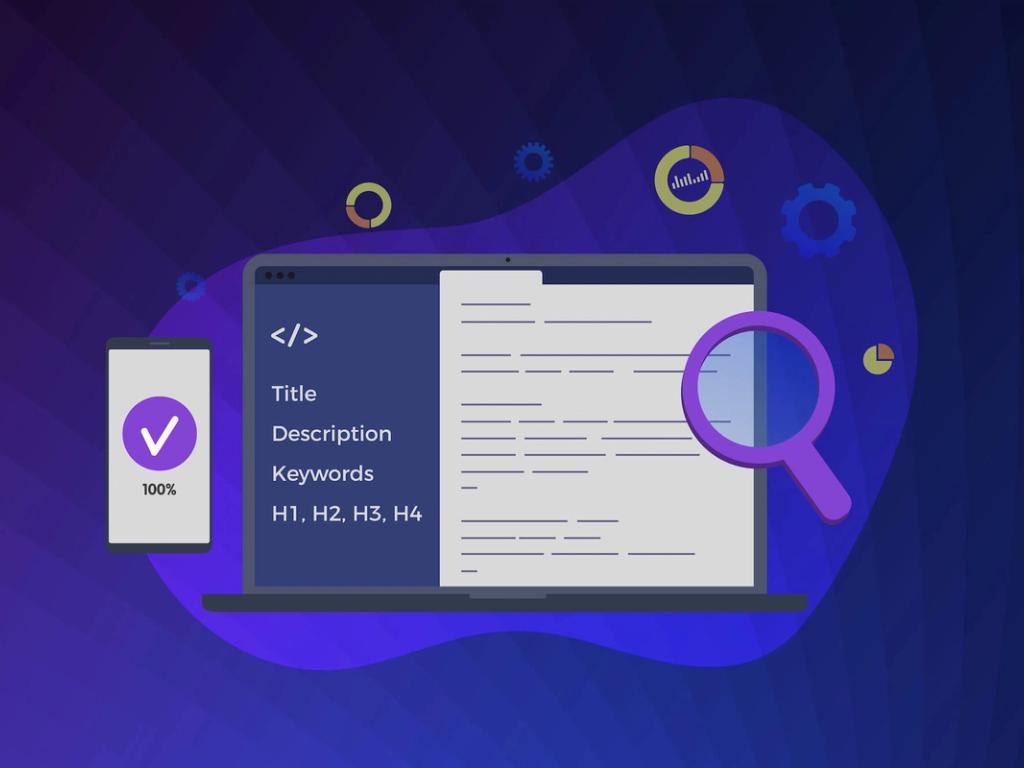
SEO checker tools are specialized software applications designed to analyze and enhance a website’s performance across various search engines. These tools evaluate a website’s on-page and off-page SEO elements, providing insights into how well a site adheres to SEO best practices. From assessing keyword usage and site structure to examining loading speeds and backlink profiles, these tools serve as invaluable resources for anyone looking to improve their online visibility.
Some common features of SEO checker tools include:
- Site audits : Identifying technical issues that may hinder SEO.
- Keyword analysis : Offering insights into keyword performance and suggestions for optimization.
- Competitor analysis : Benchmarking against competitors to understand market positioning.
Importance of SEO Checker Tools for Website Optimization
Utilizing SEO checker tools is crucial for effective website optimization. They empower website owners and marketers to:
- Identify weaknesses : Spot areas needing improvement, such as broken links or inefficient site navigation.
- Enhance visibility : Implement changes that help boost search engine rankings, driving more organic traffic.
- Stay current : Keep up to date with the evolving algorithms of search engines.
For example, a friend of mine who runs an online store used an SEO checker tool and found that improving their website’s page speed significantly elevated their search rankings. Investing in such tools can yield comparable benefits for anyone aiming to optimize their website effectively.
How SEO Checker Tools Work
Crawling and Indexing Analysis
At the core of any SEO strategy, crawling and indexing form the foundation of how search engines discover and organize web content. SEO checker tools mimic search engine crawlers to analyze a website’s structure and content. They scan each page, identifying what can be indexed, which is critical for visibility in search results.
For instance, during a recent project, I used a crawler tool that highlighted pages not indexed due to improper meta tags. This insight allowed us to make the necessary adjustments to ensure all relevant pages were included in search engine results, improving overall site performance.
On-Page and Off-Page SEO Evaluation
On-page SEO refers to the elements on your website, such as title tags, meta descriptions, and internal linking, while off-page SEO involves factors outside your website, like backlinks and social media presence. SEO checker tools evaluate both:
- On-Page : They analyze keyword density, page title optimization, and mobile-friendliness.
- Off-Page : They assess your website’s backlink profile, identifying quality backlinks and potential sources for improvement.
These evaluations not only uncover critical weaknesses but also furnish actionable recommendations for enhancement.
Keyword Research and Analysis Features
Keywords are the heartbeat of SEO. SEO checker tools often come equipped with keyword research capabilities, offering data on:
- Search volume
- Competition
- Related keyword suggestions
One of my clients leveraged these keyword insights to uncover long-tail keywords that brought in high traffic with lower competition, significantly boosting their search rankings. By understanding and utilizing these features, users can strategically target the terms that will enhance their visibility and drive traffic effectively.

Benefits of Using SEO Checker Tools
Improved Website Visibility and Ranking
Utilizing SEO checker tools can dramatically enhance your website’s visibility and search engine rankings. These tools provide data-driven insights, allowing you to identify and resolve issues that may hinder your site’s performance. By addressing on-page SEO factors, such as optimizing title tags and improving content quality, you can increase your chances of ranking higher in search results.
For instance, after conducting an SEO audit for a local business, I discovered several missing meta descriptions. Once we optimized these elements, their click-through rate improved significantly, leading to more visitors from search engines.
Enhanced User Experience
Creating a positive user experience is essential for retaining visitors and encouraging them to return. SEO checker tools help identify factors affecting user experience, such as slow loading times, broken links, and mobile responsiveness.
Here are some key areas that can be enhanced:
- Page speed : Tools can pinpoint elements slowing down your website, enabling you to make essential adjustments.
- Navigation : Analyzing the usability of your site helps ensure visitors can find what they need easily.
Implementing these improvements not only aids SEO but also fosters user satisfaction.
Competitive Analysis and Benchmarking
Understanding where your website stands in relation to competitors is vital for strategic planning. SEO checker tools often include competitive analysis features that allow you to benchmark your site’s performance against industry leaders. This can reveal gaps in your strategy and opportunities for growth.
I once worked with a marketing team that utilized competitive analysis to identify keywords their rivals were ranking for, leading to the discovery of several untapped opportunities for content creation. This proactive approach enabled them to position themselves more effectively in the market. By leveraging competitive insights, businesses can refine their strategies and stay ahead of the curve in their niche.
Types of SEO Checker Tools
Site Auditing Tools
Site auditing tools are the backbone of any comprehensive SEO strategy. They perform extensive analyses of your website’s structure, content, and performance metrics. These tools can identify issues such as broken links, duplicate content, or slow page load times, enabling you to rectify problems before they impact your rankings.
For example, on one occasion, I used a site auditing tool for a client who suspected their website was underperforming. The audit revealed multiple SEO errors, including missing alt tags for images. Fixing these issues led to a noticeable increase in search visibility.
Keyword Analysis Tools
Keyword analysis tools help you discover the right keywords to target for your content strategy. They provide important metrics like search volume, keyword difficulty, and related keywords, ensuring you are equipped with the right data for optimization.
I once integrated keyword analysis results into a blog strategy for an e-commerce site. The newfound focus on long-tail keywords opened up a profitable niche segment, resulting in significant traffic growth and conversions.
Backlink Analysis Tools
Backlink analysis tools are essential for understanding your website’s link profile. They evaluate the quantity and quality of backlinks pointing to your site, allowing you to identify opportunities for improvement or potential risks from low-quality links.
Utilizing these tools, I once discovered a client was suffering from spammy backlinks that risked their domain authority. By disavowing these links and focusing on building high-quality ones, we were able to recover lost rankings.
Rank Tracking Tools
Rank tracking tools monitor your website’s position in search engine results over time. These tools help you gauge the effectiveness of your SEO efforts by providing regular updates on keyword rankings.
For instance, I implemented a rank tracking tool for a digital marketing agency, and it was invaluable for demonstrating the success of their SEO campaigns to clients. Regular reporting made it easy to celebrate wins and adjust strategies as necessary.
In sum, each type of SEO checker tool plays a vital role in creating a rounded and effective SEO strategy, helping businesses thrive in a competitive digital landscape.
Choosing the Right SEO Checker Tool
Factors to Consider
Selecting the right SEO checker tool can be overwhelming, given the multitude of options available. However, focusing on a few key factors can help streamline your decision-making process:
- Features : Determine which specific features are essential for your needs. For instance, if you prioritize backlink analysis, look for tools that offer robust capabilities in that area.
- Ease of Use : A user-friendly interface can save time and reduce frustration, especially for those new to SEO.
- Integration : Check if the tool can smoothly integrate with other platforms you use, like Google Analytics or content management systems, to streamline your workflow.
- Cost : Consider your budget. Many tools offer tiered pricing plans, so align your choice with your financial capacity while ensuring you get the necessary features.
A colleague of mine overlooked the importance of ease of use and chose a complex tool that ultimately stalled their SEO progress due to steep learning curves.
Popular SEO Checker Tools in the Market
There are several well-regarded SEO checker tools that cater to different needs. Here are a few popular options:
- Ahrefs : Known for its powerful backlink analysis and keyword research features.
- SEMrush : Offers a comprehensive suite, including site audits and competitive analysis.
- Moz : Focuses on user-friendliness and provides valuable insights into keyword rankings and site health.
- Screaming Frog : Ideal for detailed site audits with a focus on technical SEO.
Choosing the best SEO checker tool ultimately depends on your specific objectives and expertise level, but exploring these popular options can pave the way for making an informed decision.
Using SEO Checker Tools Effectively
Setting up the Tool
Successfully leveraging SEO checker tools begins with proper setup. Most tools require basic information about your website, including the URL and any specific goals you wish to achieve, like improving site speed or increasing organic traffic.
Here are some essential steps to follow during setup:
- Create an Account : Sign up and choose the subscription plan that meets your needs and budget.
- Integrate with Google Search Console : If the tool allows, connect with Google Search Console for more detailed insights.
- Define Your Goals : Set clear, measurable goals to guide your analysis and optimization efforts.
A practical experience I recall was when I set up an SEO tool for a client. Initially, we rushed through the setup, which led to missing out on critical configurations that could have enhanced the analysis.
Interpreting Results
Once your tool is configured, you’ll start receiving data and reports. Understanding these results can be a game-changer. Focus on key metrics such as:
- Organic traffic trends : Are you seeing an increase or dip?
- Keyword rankings : Which keywords are performing well, and which ones need attention?
- Site health score : A quick overview of overall SEO performance.
During one project, careful interpretation of ranking fluctuations helped us discover that a competitor’s content update affected our client’s visibility.
Implementing Recommendations
The final step is to take actionable steps based on the insights gathered. This means not just identifying issues but also prioritizing them. Here’s how to implement effectively:
- Create an Action Plan : Organize tasks by priority, addressing critical issues first (like fixing broken links or improving loading speeds).
- Monitor Changes : After implementing updates, track their effect on your site’s performance.
- Regular Referrals : Schedule periodic checks using the SEO tool to ensure ongoing optimization.
In my experience, setting aside time for regular checks and refinements has consistently led to improved website performance. By following these steps, users can maximize the potential of their SEO checker tools, ultimately paving the way for greater online success.
SEO Checker Tools and Technical SEO
Understanding Technical SEO Elements
Technical SEO focuses on optimizing the backend structure and foundation of a website to improve its visibility in search engines. Understanding its core elements is vital, as they play a significant role in how search engines crawl, index, and rank your site.
Key components of technical SEO include:
- Site Speed : Faster loading times enhance user experience and improve rankings.
- Mobile Friendliness : With the rise of mobile browsing, having a responsive design is crucial.
- XML Sitemap : This helps search engines efficiently crawl your site.
- Robots.txt : This file guides search engines on which pages to crawl or ignore.
I remember a time when I optimized a client’s site by focusing on these technical elements, leading to a significant boost in traffic.
How SEO Checker Tools Help in Technical Optimization
SEO checker tools are invaluable for auditing and resolving technical SEO issues. They provide comprehensive analysis and actionable insights to enhance your website’s performance.
Here’s how they assist in technical optimization:
- Site Audits : They evaluate different elements such as broken links, missing alt tags, and page speed issues.
- Recommendations for Improvement : Tools provide specific recommendations on how to fix identified problems, like optimizing images for faster loading.
- Monitoring Changes : Many tools allow continuous monitoring of technical aspects, ensuring your site remains optimized.
For instance, I recently used an SEO tool to identify a slow-loading page that was hindering user experience. By implementing the suggested fixes, we reduced load time by over 30%, resulting in lower bounce rates. By fully utilizing SEO checker tools for technical optimization, site owners can ensure a solid foundation that supports overall SEO efforts and enhances user experience.

Common Mistakes to Avoid When Using SEO Checker Tools
Overlooking Critical Factors
When leveraging SEO checker tools, one prevalent mistake is overlooking crucial factors that can impact site performance. It’s easy to get caught up in specific metrics or suggestions and neglect elements that are equally important.
Commonly overlooked factors include:
- User Experience (UX) : While SEO focuses on search engines, an optimal UX is pivotal. If users find your site hard to navigate, they may leave, affecting bounce rates and rankings.
- Local SEO : Businesses often ignore local optimization, missing out on potential customers in their vicinity. Ensure you optimize for local keywords and create a Google My Business profile.
- Content Quality : Focusing solely on technical aspects might cause you to neglect the quality of your content, which is paramount for engaging users and driving conversions.
I once worked with a client who improved technical SEO but ignored content quality, leading to minimal changes in their traffic.
Misinterpreting Data
Another common pitfall is misinterpreting the data provided by SEO checker tools. The vast amount of data can be daunting, and it’s easy to draw incorrect conclusions.
Here are some signs of misinterpretation:
- Focusing on Rankings Alone : Monitoring only keyword rankings without considering traffic and conversions can provide a skewed view of success.
- Ignoring Context : Understanding what the data means in the context of your goals is crucial. For instance, high traffic doesn’t necessarily equate to conversions or leads.
Once, I misread a spike in traffic as a success without considering the quality of that traffic, which came from unrelated keywords. By approaching data holistically and understanding the broader context, users can better leverage SEO checker tools to drive meaningful results and avoid common missteps.

Future Trends in SEO Checker Tools
Advancements in AI and Machine Learning
As technology evolves, so too do the capabilities of SEO checker tools. One of the most exciting trends is the integration of artificial intelligence (AI) and machine learning. These advancements are poised to revolutionize how SEO strategies are developed and executed.
Here’s how AI is making an impact:
- Predictive Analytics : Tools can analyze past performance data to forecast future trends, allowing businesses to be proactive rather than reactive.
- Content Optimization : AI algorithms can suggest better keywords, headlines, and even content structures tailored for target audiences, enhancing engagement.
- Voice Search : With the rise of voice search, AI can help optimize content by understanding conversational queries and long-tail keywords.
I recall experimenting with an AI-powered SEO tool that suggested content changes based on user engagement metrics, significantly improving the time spent on site.
Predictions for the Evolution of SEO Checker Tools
Looking ahead, we can anticipate several changes in SEO checker tools that will enhance their utility:
- Increased Integration : Future tools will likely offer seamless integration with various platforms, such as social media and customer relationship management systems, for a holistic approach to SEO.
- Real-time Analysis : As technology improves, we may see tools providing real-time data analysis and instant recommendations, making it easier to adapt strategies on the fly.
- Enhanced User Education : Many tools might incorporate educational resources, helping users understand complex analytics and implement recommendations more effectively.
In my experience, adapting to evolving trends in SEO tools has allowed for more efficient workflows and better outcomes for clients. By staying ahead of these trends, businesses can ensure they remain competitive in the ever-changing landscape of digital marketing.
Conclusion and Key Takeaways
Recap of Benefits
In summary, SEO checker tools are indispensable assets for anyone looking to enhance their website’s performance. These tools offer a multitude of benefits, including:
- Improved Visibility : By identifying and resolving SEO issues, businesses can boost their rankings in search engine results, leading to increased organic traffic.
- Enhanced User Experience : Recommendations for site speed, responsiveness, and navigation foster a better user experience, encouraging visitors to stay longer.
- Data-Driven Insights : With robust analytics and reporting capabilities, businesses can make informed decisions and adjust strategies based on real-time performance data.
From my experience, utilizing these tools effectively has led to measurable outcomes, including higher engagement rates and increased conversion.
Final Thoughts on Leveraging SEO Checker Tools
To fully leverage the power of SEO checker tools, it’s essential to approach them with a strategic mindset. Set clear goals, regularly interpret the data, and implement recommendations promptly. Be proactive in adapting to changes and advancements within the SEO landscape.
As I often share with clients, SEO is not a one-time project but an ongoing journey. Embracing the insights provided by SEO checker tools can lead to continuous improvement and sustainable growth. By making data-informed decisions, businesses can stay ahead of competitors and capitalize on emerging opportunities, turning their digital presence into a powerful asset.