

Understanding SEO Health Check
Importance of SEO in Online Visibility
In the digital landscape, where every business competes for attention, Search Engine Optimization (SEO) serves as the beacon that guides potential customers to your online presence. Imagine running a boutique. You wouldn’t want it tucked away in an obscure corner; instead, you’d want it on a bustling street where everyone can see it. SEO is akin to that bustling street, enhancing your visibility on search engines and drawing traffic to your website.
Why is SEO so crucial? Here are a few compelling reasons:
- Higher Click-Through Rates (CTR) : Websites that rank higher on search engine results pages (SERPs) tend to secure more clicks.
- Improved User Experience : A well-optimized site often means a better user experience, keeping visitors engaged longer.
- Cost-Effective Marketing : Rather than paying for ads, organic traffic earned through SEO can be far more cost-effective in the long run.
With proper SEO strategies, businesses can ensure they’re not just another name in the vast expanse of the internet.
Overview of SEO Health Check Process
An SEO health check is a systematic evaluation of your website’s performance concerning SEO best practices. Think of it as a comprehensive physical examination for your website, identifying strengths and areas for improvement.
Here’s a simple breakdown of the SEO health check process:
- Technical SEO Audit : This includes scrutinizing website speed, mobile responsiveness, and site structure to ensure seamless user navigation.
- On-Page SEO Analysis : This assesses the quality of your content, keyword optimization, and the effectiveness of meta tags.
- Off-Page SEO Examination : Evaluating your backlink profile and social media presence helps understand your website’s authority.
- Local SEO Assessment : For businesses targeting local customers, optimizing Google My Business and local citations is paramount.
- Performance Tracking : Setting up tools like Google Analytics allows ongoing monitoring of performance.
By conducting a thorough SEO health check, businesses can enhance their online visibility and drive more traffic, ultimately leading to increased conversions.
Technical SEO Audit
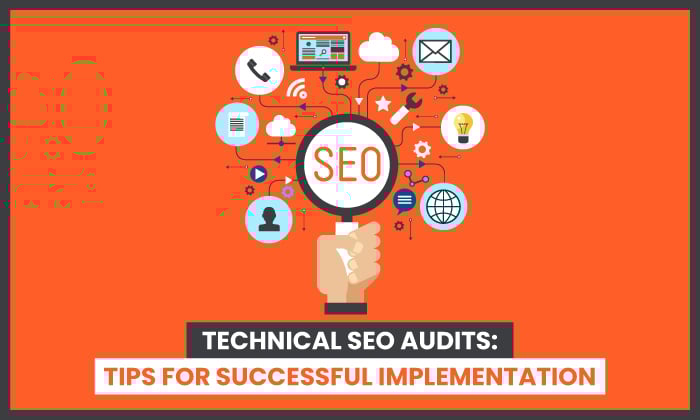
When it comes to ensuring your website is optimized for search engines, a technical SEO audit is essential. This audit covers various aspects that can significantly impact your website’s performance and user experience.
Website Speed Optimization
Think of your website speed as the heartbeat of your online presence. If it’s sluggish, visitors will lose interest and bounce away faster than you can say “load time.” A vibrant example is my friend’s e-commerce store, which experienced a 30% drop in sales after a website redesign slowed its load time to over 5 seconds. To avoid such setbacks, consider these speed optimization techniques:
- Image Compression : Ensure that images are optimized without sacrificing quality. Tools like TinyPNG can help reduce file sizes.
- Enable Browser Caching : This allows frequently visited pages to load quicker by storing them temporarily in visitors’ browsers.
- Minify CSS and JavaScript : Cleaning up your code reduces its size, allowing faster load times.
Mobile Responsiveness Testing
In today’s mobile-first world, having a responsive website is not just a luxury; it’s a necessity. More than half of all web traffic comes from mobile devices, meaning your site should look and function well on smartphones and tablets.
To ensure mobile responsiveness:
- Test Across Devices : Use tools like Google’s Mobile-Friendly Test to see how your site performs on various screens.
- Responsive Design : Implement a design that automatically adjusts to different device sizes, ensuring a consistent user experience.
Site Structure Evaluation
A well-organized website is like a well-planned road trip; it allows users to navigate smoothly and find what they need without frustration.
Evaluating your site structure involves:
- Clear Navigation Menus : Organize pages logically, making it easy for visitors to find information.
- Breadcrumbs : Implement breadcrumb navigation to help users understand their location within your site hierarchy.
- Sitemap Creation : A sitemap can improve crawling by search engines, helping your pages get indexed faster.
By focusing on website speed, mobile responsiveness, and site structure during the technical SEO audit, webmasters can enhance user satisfaction and boost search engine rankings.
On-Page SEO Analysis
Transitioning from the technical aspects of your site, it’s time to delve into On-Page SEO Analysis. This phase focuses on optimizing individual pages to improve search engine rankings and user engagement.
Content Quality Assessment
Imagine walking into a bookstore only to find shelves filled with outdated and irrelevant titles. That’s how visitors feel when they encounter low-quality content online. High-quality content not only informs but also engages users, increasing their dwell time—a vital ranking factor.
To assess your content quality, consider:
- Relevance : Ensure that your content meets the needs and queries of your target audience.
- Engagement : Use visuals, charts, and real-life examples to keep readers interested.
- Update Regularly : Content should be fresh and updated, so revisit older articles to add new insights or data.
Keyword Research and Optimization
Keywords are the bridge connecting your content to your audience. Proper keyword research allows you to identify what your potential visitors are searching for, guiding you to create targeted content.
Here’s how to effectively utilize keywords:
- Use Tools Like SEMrush or Google Keyword Planner : These can help identify high-volume keywords that are relevant to your content.
- Keyword Placement : Sprinkle your primary keyword in key areas—like headings, the first paragraph, and throughout the content—without overstuffing.
- Long-Tail Keywords : Don’t shy away from longer phrases; they often have less competition and cater to specific queries.
Meta Tags Optimization
Meta tags might seem like small details, but they pack a punch in on-page SEO. They help search engines understand the content of your page while enticing users to click on your link in the search results.
To optimize your meta tags:
- Title Tags : Keep them concise (around 60 characters), include your primary keyword, and ensure they accurately reflect the content.
- Meta Descriptions : Provide a brief summary of the page’s content (around 150 characters) using actionable language to encourage clicks.
- Image Alt Text : Describe images accurately with keywords where relevant. This not only aids accessibility but also boosts your SEO.
By focusing on content quality, keyword optimization, and meta tags during On-Page SEO Analysis, website owners can enhance visibility and drive relevant traffic to their sites.

Off-Page SEO Examination
As we transition from the realm of on-page factors, it’s crucial to explore off-page SEO, which plays a vital role in how search engines perceive your website’s authority and relevance. Off-page SEO includes everything happening outside your website that influences its ranking.
Backlink Profile Analysis
Backlinks are like vote of confidence from other websites. The more quality backlinks you have, the more authoritative your site appears to search engines. Think of it as a neighborhood with well-respected houses—if your site is referenced by trustworthy domains, it improves your standing.
To analyze your backlink profile:
- Use Tools like Ahrefs or Moz : These can help identify the number of backlinks and their quality.
- Check for Toxic Links : Identify and disavow spammy links that may harm your site’s reputation.
- Competitor Analysis : Explore where your competitors are getting their backlinks and consider similar strategies.
Social Media Presence Review
In today’s digital world, social media can significantly amplify your brand presence. While social signals are not direct ranking factors, a robust social media strategy can lead to increased visibility and traffic.
To review your social media presence:
- Engagement Level : Monitor likes, shares, and comments to gauge audience interaction.
- Platform Relevance : Ensure you’re active on platforms where your target audience congregates. For instance, Instagram may suit visual brands while LinkedIn works for B2B companies.
- Content Sharing : Share quality blog posts and insights to redirect traffic to your site.
Online Reputation Management
Your online reputation can make or break your business. Negative reviews or discussions can deter potential customers. Conversely, a strong reputation can encourage trust and leads.
To effectively manage your online reputation:
- Monitor Reviews : Regularly check platforms like Google My Business and Yelp for new reviews.
- Engage Constructively : Respond to both positive and negative reviews thoughtfully, showing that you value customer feedback.
- Encourage Happy Customers to Leave Reviews : Make it easy for satisfied clients to share their experiences online.
With a focused approach to backlink analysis, social media engagement, and reputation management, businesses can enhance their off-page SEO efforts, building a solid foundation for higher visibility and credibility online.
Local SEO Assessment
As we pivot to local SEO, it’s essential to focus on optimizing your online presence for local searches. This assessment helps businesses attract nearby customers searching for products or services like yours. Let’s dig into the key components.
Google My Business Optimization
One of the most powerful tools for local SEO is Google My Business (GMB). It acts as your digital storefront on Google, influencing how your business appears on search results and Google Maps.
Here’s how to optimize your GMB listing:
- Complete Your Profile : Ensure all sections—business name, address, phone number, website—are accurate and up to date.
- Encourage Customer Reviews : A healthy collection of positive reviews boosts your ranking and credibility. Ask satisfied customers to leave feedback.
- Use Posts and Updates : Regularly share updates, special offers, and events to keep your audience engaged.
By keeping your GMB profile active and informative, you improve your chances of being discovered by local customers.
Local Citations Audit
Local citations are mentions of your business name, address, and phone number (NAP) online. Consistency is crucial; discrepancies can confuse search engines and hurt your rankings.
To conduct a local citations audit:
- Check Major Directories : Ensure your NAP is consistent across platforms like Yelp, Yellow Pages, and local business directories.
- Use Tools : Tools like Moz Local can streamline citation audits, revealing any inconsistencies.
- Claim Your Business Listings : If your business appears on sites without your input, claiming and verifying them can help ensure accuracy.
Local Keyword Targeting
Targeting local keywords is vital for connecting with your community. These keywords include geographic terms that relate to the goods and services you provide.
Consider these strategies for effective local keyword targeting:
- Use Location-Specific Keywords : Incorporate terms like “best pizza in [Your City]” within your content, page titles, and meta descriptions.
- Create Localized Content : Write blogs highlighting local events, news, or community guides, positioning your business as part of the local fabric.
By focusing on Google My Business optimization, conducting thorough local citation audits, and targeting local keywords, businesses can significantly enhance their visibility in local search results, attracting more customers from their immediate area.

SEO Performance Tracking
As we move on from local SEO assessment, it’s time to discuss the crucial aspect of SEO performance tracking. This step ensures that all your efforts are yielding results and highlights areas for improvement.
Setting Up Google Analytics
Google Analytics is one of the most powerful tools available for tracking your website’s performance. If you’re like many small business owners, you might have felt overwhelmed by its features at first, but once set up correctly, it can be a game changer.
Here’s how to set it up:
- Create an Account : Go to Google Analytics, sign up, and create your account. You’ll be given a tracking ID.
- Install Tracking Code : Add the tracking code to your website’s header. Many CMS platforms, like WordPress, have plugins that assist with this.
- Set Goals : Define what success looks like for your website—whether it’s form submissions, downloads, or sales—and set these as goals in Google Analytics.
With Google Analytics in place, you can begin to gather valuable data on user behavior.
Monitoring Key Performance Indicators
Once you have data flowing in, focus on monitoring Key Performance Indicators (KPIs) that can inform your SEO strategy. KPIs provide concrete metrics about how your website is performing.
Consider tracking:
- Organic Traffic : Measure the number of visitors coming from search engines.
- Bounce Rate : High bounce rates may indicate that visitors are not finding what they’re looking for, prompting a need for content improvement.
- Conversion Rates : Are visitors taking desired actions? This is where your content and user experience need to align.
Regularly reviewing these metrics helps you adjust your strategies for improvement effectively.
SEO Health Check Tools
Finally, various SEO health check tools can help supplement your tracking efforts. These tools offer insights regarding your site’s optimization and performance.
Some favorites include:
- SEMrush : Tracks keyword rankings and analyzes your competition.
- Ahrefs : Great for backlink analysis and health checks.
- Moz : Offers comprehensive tools for site audits and keyword tracking.
By integrating these tools into your strategy, you’re better equipped to maintain a proactive approach to SEO performance tracking. A solid framework of analytics, KPI monitoring, and health check tools allows businesses to fine-tune their strategies for greater success in the digital landscape.

Action Plan for Improvement
Having gathered insights from your SEO performance tracking, it’s time to craft an actionable plan for improvement. This plan will enable you to prioritize and implement changes that drive tangible results.
Prioritizing SEO Issues
Not all SEO issues are created equal, and understanding which ones to tackle first can make a significant difference in your website’s performance. Start by categorizing issues based on their impact and complexity.
Consider the following:
- Impact on Traffic : Focus on issues like slow page speed or unoptimized mobile usability first, as these can directly affect user experience and search rankings.
- Ease of Implementation : Tackle quick wins like fixing broken links or optimizing image alt text before delving into more complex adjustments like content overhauls.
- Alignment with Goals : Your SEO issues should align with your business objectives. For instance, if you’re aiming to increase local traffic, prioritize local SEO improvements.
Implementing Recommendations
Once you have prioritized your SEO issues, it’s time to implement the necessary recommendations. A structured approach will help ensure nothing is overlooked.
- Create a Timeline : Populating a project management tool like Trello or Asana with tasks, deadlines, and assigned responsibilities can keep things on track.
- Involve Team Members : If you work with a team, assign roles based on expertise—like content creation, technical fixes, and reporting—to streamline the process.
- Document Changes : Keep track of what’s been implemented and its effects for future reference.
Continuous Monitoring and Adjustments
SEO is not a one-time effort; it requires ongoing attention and adaptation. After implementing changes, continuous monitoring is critical.
- Regular Reviews : Set monthly or quarterly reviews to assess performance against KPIs established earlier.
- Stay Updated : SEO best practices evolve, so subscribing to industry blogs, attending webinars, and engaging in forums can offer new insights and strategies.
- Be Flexible : If something isn’t working, don’t hesitate to adjust your tactics. A successful SEO strategy involves constant learning and adaptation.
By prioritizing SEO issues, implementing recommendations methodically, and committing to continuous monitoring and adjustments, businesses can improve their search visibility, adapt to changes in the market, and ultimately achieve their online goals.